Accessible Plumbing: How to Make Installations More User-Friendly for Everyone

Accessible Plumbing: How to Make Installations More User-Friendly for Everyone
When we talk about accessibility in homes, we often think of ramps, wide doorways, and good lighting. But plumbing installations also play a crucial role in how comfortable and safe a home is for everyone—regardless of age, height, or physical ability. Accessible plumbing is about creating solutions that make daily life easier for children, the elderly, and people with limited mobility. Here’s a guide to how you can make bathrooms, kitchens, and other installations more user-friendly in Indian homes.
What Does Accessible Plumbing Mean?
Accessible plumbing refers to installations that are easy to operate, safe to use, and positioned so that everyone can reach them. It’s not just about meeting building codes—it’s about comfort, safety, and flexibility in everyday life. A tap that can be operated with one hand or a step-free shower area can make a big difference, not only for people with disabilities but for anyone who values convenience and safety.
The Bathroom – Small Changes, Big Impact
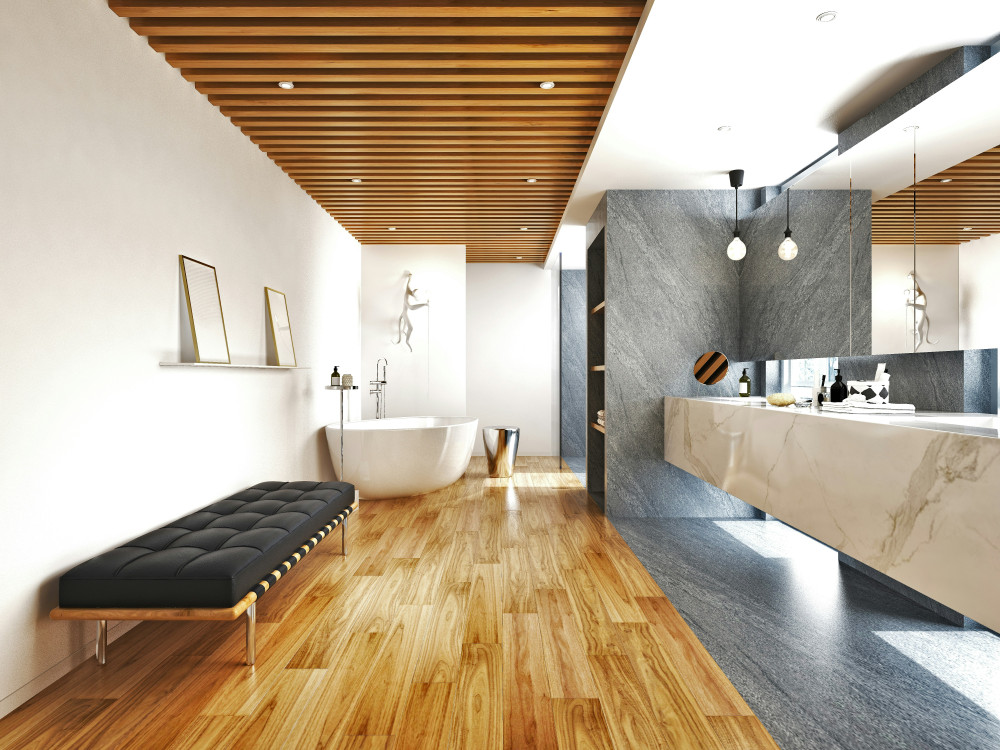
The bathroom is one of the most important spaces when it comes to accessibility. With a few thoughtful adjustments, you can make it safer and more comfortable for everyone.
- Create a step-free shower area – a level floor without a raised edge makes it easier to enter, even with a wheelchair or shower chair.
- Use thermostatic mixers – they maintain a steady water temperature and reduce the risk of scalding, which is especially important in India’s hot climate.
- Install grab bars and support handles – they provide stability and confidence, particularly near the toilet and shower.
- Adjust the height of the wash basin – a lower or adjustable basin allows use while seated.
- Ensure good lighting and non-slip flooring – these features greatly improve safety, especially for older adults.
Even small details, such as a lever-operated tap or a tilting mirror, can make daily routines much easier.
The Kitchen – Functionality for All
In Indian homes, the kitchen is often the heart of the household. Making it accessible means designing flexible work areas and ensuring that water and drainage systems are easy to use.
- Place the sink close to the main work area – this reduces the need to stretch or carry heavy pots across the kitchen.
- Choose single-lever or sensor taps – they require less effort and are more hygienic, which is especially useful in busy Indian kitchens.
- Leave space under the sink – so that a stool or wheelchair can fit comfortably.
- Install pull-out spray heads – they make it easier to rinse vegetables, utensils, and the sink itself.
An accessible kitchen is not just for people with special needs—it’s a kitchen that works better for everyone, from children helping with cooking to elderly family members.
Taps and Fittings – Think Ergonomics
The design and operation of taps and fittings are central to accessible plumbing. Here are some practical ideas:
- Single-lever mixers – easy to use with one hand and ideal for people with limited strength.
- Sensor-activated taps – they turn on automatically when hands are placed underneath, saving both water and effort.
- Large, clearly marked handles – make it easy to see and feel which direction to turn.
- Colour or symbol indicators – help people with visual impairments distinguish between hot and cold water.
These solutions are not only convenient but also promote hygiene and water conservation—important considerations in India’s water-scarce regions.
Plan for the Future – Even in New Homes
Even if you don’t need accessible features today, it’s wise to plan ahead. A step-free bathroom, a properly positioned wash basin, and flexible plumbing installations make it easier to adapt your home as needs change. Many modern plumbing products combine functionality with elegant design, so accessibility doesn’t have to compromise aesthetics.
Professional Guidance Makes a Difference
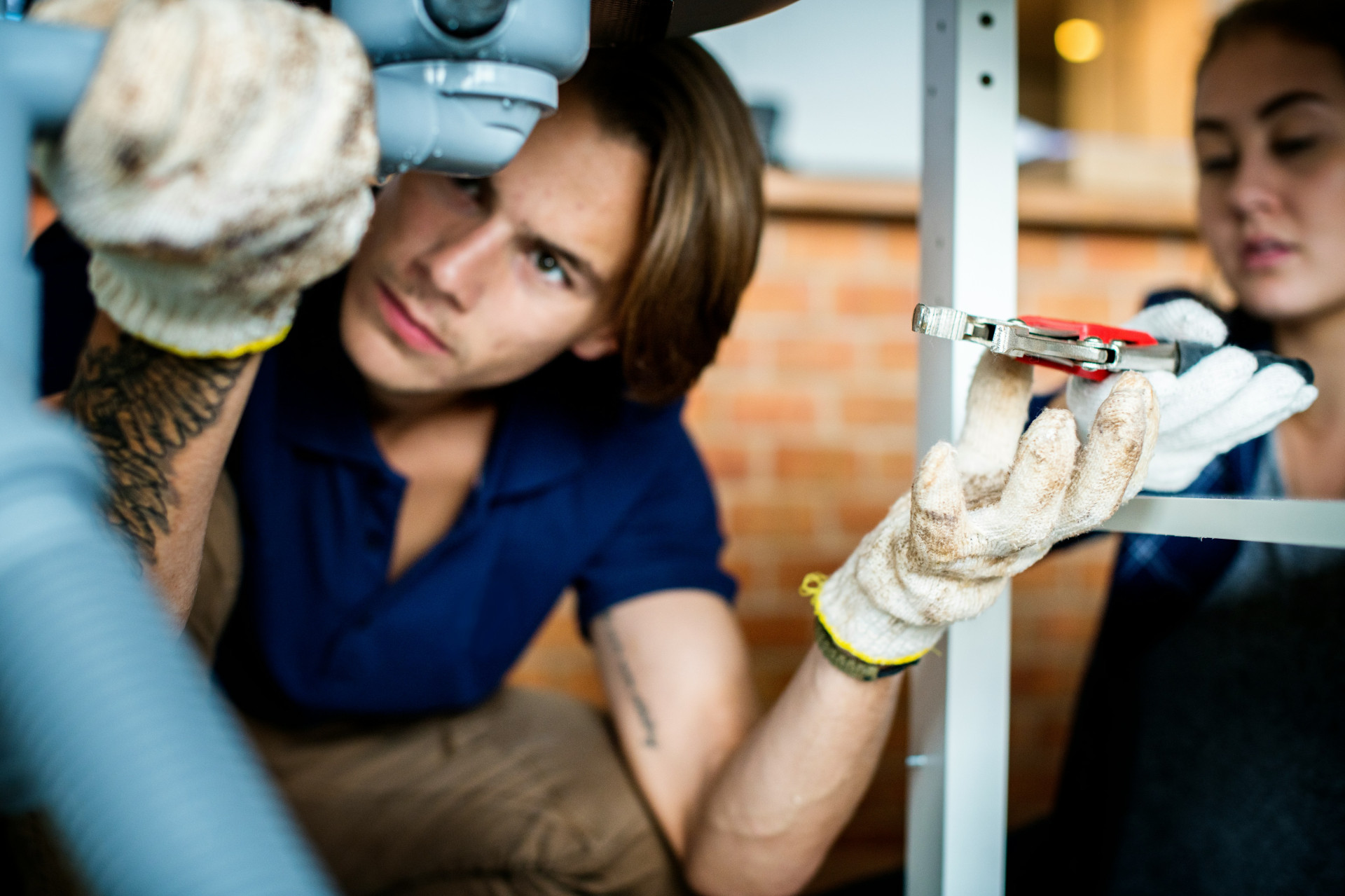
A licensed plumber can help you find solutions that suit both your home’s layout and your family’s needs. This might include adjusting fixture heights, repositioning fittings, or installing new taps and shower systems. A good professional will consider safety, comfort, and long-term maintenance.
Accessibility Is Everyday Comfort
Accessible plumbing is ultimately about creating a home where everyone feels safe, independent, and comfortable. It’s not just an investment in practicality—it’s an investment in quality of life. When installations are easy to use, daily routines become smoother and more enjoyable for everyone, from young children to elderly parents.