Adapt Kitchen Elements for Future Technological Needs

Adapt Kitchen Elements for Future Technological Needs
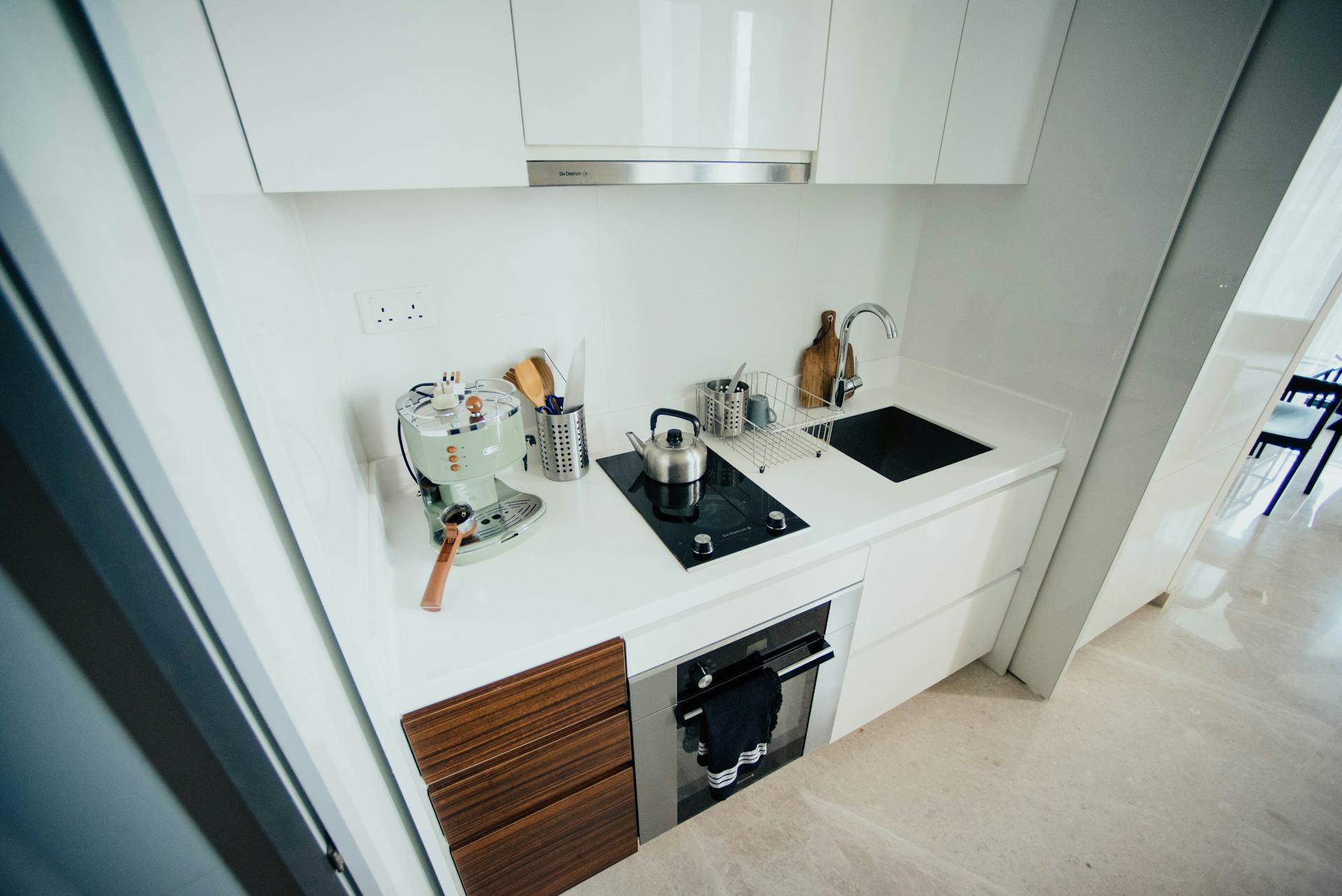
The kitchen has always been the heart of the home – a place where food, family, and daily life come together. But as technology evolves, so do our expectations. The kitchen of the future is not just about design and functionality; it’s about integrating intelligent systems that make life easier, more sustainable, and more connected. Here’s how you can adapt your kitchen elements to meet the technological demands of tomorrow.
Smart Appliances Need Smart Spaces
Most modern Indian homes already feature appliances like microwaves, refrigerators, and dishwashers. However, the next generation of appliances will be more connected and will require kitchen elements that can support their advanced features.
- Integrated sensors and connectivity – Many new devices communicate via Wi-Fi or Bluetooth. Ensure that power outlets and network access are available where you plan to install them.
- Flexible installations – Choose modular cabinets and fittings that can be easily adjusted when you upgrade or replace appliances.
- Ventilation and heat management – Smart ovens and refrigerators may generate more heat than older models. Proper airflow ensures that your technology performs efficiently, even in India’s warmer climates.
A kitchen designed with future appliances in mind saves both time and money when new innovations arrive.
Sustainability and Energy Efficiency
Technology is not only about convenience – it’s also about responsibility. The future kitchen will focus on reducing energy consumption and food waste, which is especially relevant in a country where sustainability is becoming a national priority.
- Smart plugs and energy monitors can track electricity use and automatically switch off devices when not in use.
- Refrigerators with food tracking systems can alert you when items are nearing expiration, helping reduce waste.
- Sensor-based waste segregation makes recycling easier and more efficient, supporting India’s growing waste management initiatives.
When planning your kitchen, consider modular designs that allow you to replace individual components instead of renovating the entire space. It’s both cost-effective and environmentally friendly.
Ergonomics Meets Innovation
Technology should enhance comfort, not complicate it. Adjustable countertops, touchless drawers, and voice-controlled appliances are examples of how innovation can improve daily routines.
Think about how you move around your kitchen: Where do you spend most of your time? How often do you open the refrigerator or reach for utensils? By analyzing your habits, you can position technology where it’s most useful – reducing unnecessary movement and improving efficiency.
The Digital Kitchen Hub
In many Indian households, the kitchen is becoming the digital command center of the home. From here, you can manage lighting, temperature, grocery lists, and even meal planning. Consider integrating a central control hub – such as a wall-mounted tablet or smart display.
This hub can be used to:
- control lighting and ventilation,
- follow recipes and cooking tutorials,
- communicate with other rooms,
- and manage household schedules.
By incorporating digital control from the start, you create a kitchen that evolves with technology rather than being left behind by it.
Materials That Support Technology
When choosing materials for countertops, cabinets, and walls, think about how they interact with technology. Surfaces that support wireless charging or withstand heat from induction cooktops are becoming more common. Some manufacturers even offer smart surfaces that respond to touch and act as control panels.
At the same time, materials should be durable and easy to maintain – especially in Indian kitchens, where humidity, oil, and spices can challenge cleanliness. Choosing the right materials ensures that your kitchen remains both functional and beautiful as technology advances.
A Kitchen That Grows With You
Technology changes rapidly, but a well-designed kitchen should adapt with it. The goal is not to fill your space with gadgets, but to create a flexible environment where new solutions can be integrated seamlessly.
By focusing on modular design, strong infrastructure, and sustainable materials, you can build a kitchen that works for today and is ready for tomorrow – whether that means AI-powered cooking, energy management, or new culinary techniques.