Check the Energy Efficiency of Your Plumbing with Simple Measurements

Check the Energy Efficiency of Your Plumbing with Simple Measurements
Energy efficiency in your home’s plumbing system is not just about saving money – it’s also about comfort, sustainability, and making the most of the equipment you already have. Many homeowners assume that assessing the efficiency of their water heating, piping, and pumping systems requires professional tools or expertise. In reality, you can get a good idea of how efficiently your system runs with a few simple measurements and some careful observation.
Here’s a practical guide for Indian households on how to check the energy efficiency of your plumbing – step by step.
Understand Your Plumbing System
Before you start measuring, take time to understand your setup. Do you use an electric geyser, a solar water heater, or a gas-based system? Is your water supply from a municipal line, borewell, or a combination of both? How is the hot water distributed – through a central line or individual heaters?
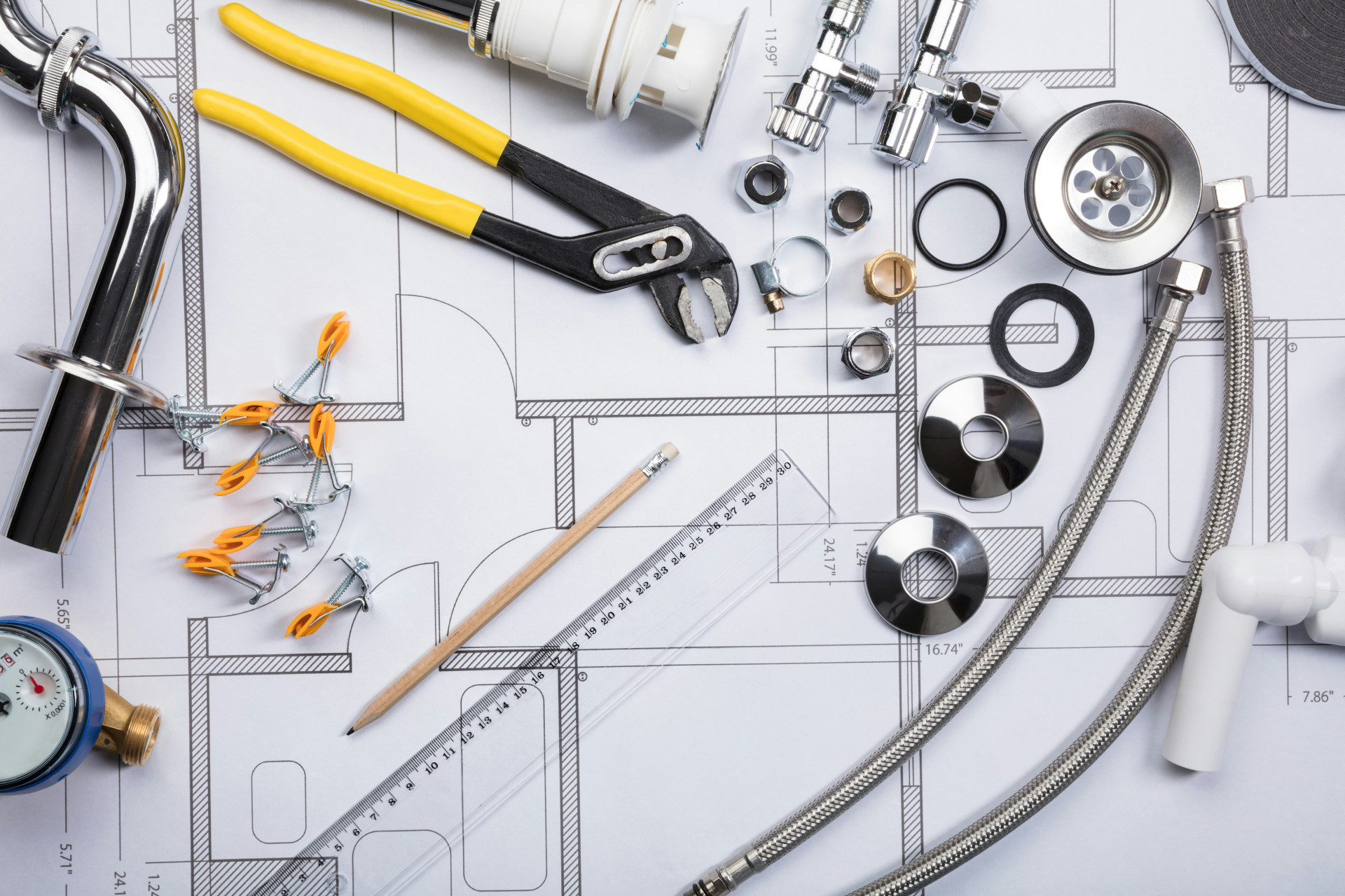
Make a simple diagram of the main components – such as the water heater, circulation pump (if any), storage tank, and main valves. This overview helps you identify where to measure and where energy losses are most likely to occur.
Measure Water Temperature – and Spot Inefficiencies
One of the easiest ways to assess efficiency is by measuring temperature differences. You only need a basic thermometer or an inexpensive infrared thermometer.
- Hot water outlet: Measure the temperature of the water at your tap or shower. Ideally, it should be around 50–55°C. If it’s higher, you’re wasting energy and increasing the risk of scale buildup, especially in areas with hard water like Delhi, Pune, or Chennai.
- Heater inlet and outlet: If possible, measure the temperature of the water entering and leaving your geyser or solar heater. A large difference indicates good heat transfer, while a small difference may mean sediment buildup or poor insulation.
- Solar water heaters: For solar systems, check the temperature in the morning and afternoon. If the afternoon temperature is not significantly higher, your panels may need cleaning or repositioning.
Check the Circulation Pump (if applicable)
In larger homes or buildings with central hot water systems, a circulation pump ensures that hot water reaches all taps quickly. However, older pumps can consume a lot of electricity.
Look for the pump’s power rating (in watts) on its label. A modern, energy-efficient pump typically uses 20–40 watts, while older models may use 80–100 watts or more. If your pump runs continuously, consider installing a timer or motion sensor so it operates only when needed.
Monitor Your Water Usage
High water consumption means more energy used for heating and pumping. You can easily track your usage through your water meter. Note the reading once a week for a month and look for unexpected changes.
If the meter moves even when no one is using water, you may have a leak. A dripping tap or a running toilet can waste hundreds of litres per day – and the energy used to heat that water goes to waste. Fixing leaks promptly is one of the simplest ways to improve efficiency.
Check Insulation and Pipe Condition
In many Indian homes, hot water pipes run through open areas or uninsulated walls. This leads to significant heat loss, especially in cooler regions or during winter. Touch the pipes – if they feel hot to the touch, they’re losing heat. Wrapping them with inexpensive foam insulation can reduce energy loss by up to 30%.
Also, check for rust, corrosion, or mineral deposits on fittings and joints. These can restrict flow and reduce efficiency.
Evaluate Your Water Heater’s Energy Use
Most electric geysers and solar heaters have an energy rating label. A 5-star rated model consumes much less electricity than a 2-star one. If your geyser is more than 8–10 years old, replacing it with a newer, efficient model can quickly pay off through lower electricity bills.
For solar systems, ensure that the panels are clean and free from dust or bird droppings. Even a thin layer of dirt can reduce efficiency by 10–20%.
Ventilation and Heat Retention
Bathrooms and kitchens often lose heat through poor ventilation or open windows. While ventilation is important to prevent dampness, try to keep windows closed when heating water or using hot showers. Installing an exhaust fan with a timer can help balance air quality and energy use.
Record Your Measurements and Review the Results
Once you’ve taken your measurements, note them in a simple table. Compare temperatures, power ratings, and water usage over time. This helps you identify where improvements can be made – perhaps your geyser temperature is set too high, or your pipes need better insulation.
Small adjustments – like lowering the thermostat setting, fixing leaks, or cleaning solar panels – can add up to noticeable savings.
When to Call a Professional
While you can do a lot on your own, it’s wise to have a licensed plumber or technician inspect your system every couple of years. They can perform detailed checks, flush out sediment from heaters, and ensure that safety valves and thermostats are working correctly.
A professional energy audit can also reveal hidden inefficiencies – such as undersized pipes, poor insulation, or outdated controls – that you might not detect yourself.
Small Steps Toward a More Efficient Home
Checking the energy efficiency of your plumbing doesn’t have to be complicated. With a few simple measurements and regular maintenance, you can save money, reduce your environmental impact, and enjoy a more comfortable home.
It’s not about making big changes all at once – it’s about taking small, informed steps and using your measurements as a guide to get the most from your plumbing system.