Discreetly Repair Old Masonry with New Bricks

Discreetly Repair Old Masonry with New Bricks
When old masonry needs repair, the challenge is often to make the new work blend seamlessly with the old. Colour, mortar, and texture must harmonise so that the repair looks natural rather than patched. Achieving this requires patience, attention to detail, and an understanding of the building’s history. Here is a guide to repairing old masonry with new bricks—discreetly and effectively.
Understand the Age and Character of the Masonry
Before starting, take time to study the existing wall. Bricks used in India vary widely depending on region, age, and method of production. Traditional hand-moulded bricks from the early 20th century, for example, are often smaller and more irregular than modern machine-made ones. The type of mortar also differs—older buildings often used lime mortar, while newer ones rely on cement-based mixes.
Check the following:
- Brick size and shape – measure height, length, and width carefully.
- Colour and surface texture – note whether the bricks are smooth, rough, or have a natural patina.
- Mortar colour and composition – lime mortar is softer and lighter, while cement mortar is harder and darker.
The better you understand the original materials, the easier it will be to find suitable replacements.
Finding the Right Bricks
Matching new bricks to old ones can be tricky, especially when the original bricks were locally made. Fortunately, many Indian brick kilns still produce traditional formats, and some specialise in heritage restoration.
Consider these options:
- Reclaimed bricks – available from demolition sites or salvage yards; they already have the aged look that fits older structures.
- New bricks with rustic finishes – some manufacturers offer weathered or handmade-style bricks that mimic older textures.
- Surface treatment – in some cases, you can tone down new bricks using limewash or mild acid to achieve a closer match.
Always compare sample bricks against the existing wall in natural daylight. Even small colour differences can become obvious once the bricks are laid.
Mortar – The Subtle Unifier
Even perfectly matched bricks can stand out if the mortar doesn’t blend. Mortar colour and texture play a major role in the overall appearance of masonry. Take time to mix a mortar that matches both in tone and consistency.
- Lime mortar is ideal for older masonry because it allows the wall to breathe and move naturally.
- Cement mortar is stronger but less flexible; use it only if the original wall was built with cement.
- Pigments can be added to adjust colour, but always test on a small area first.
When pointing, ensure the joints match the depth and profile of the existing ones. This is often where the difference between old and new becomes most visible.
Work with Care
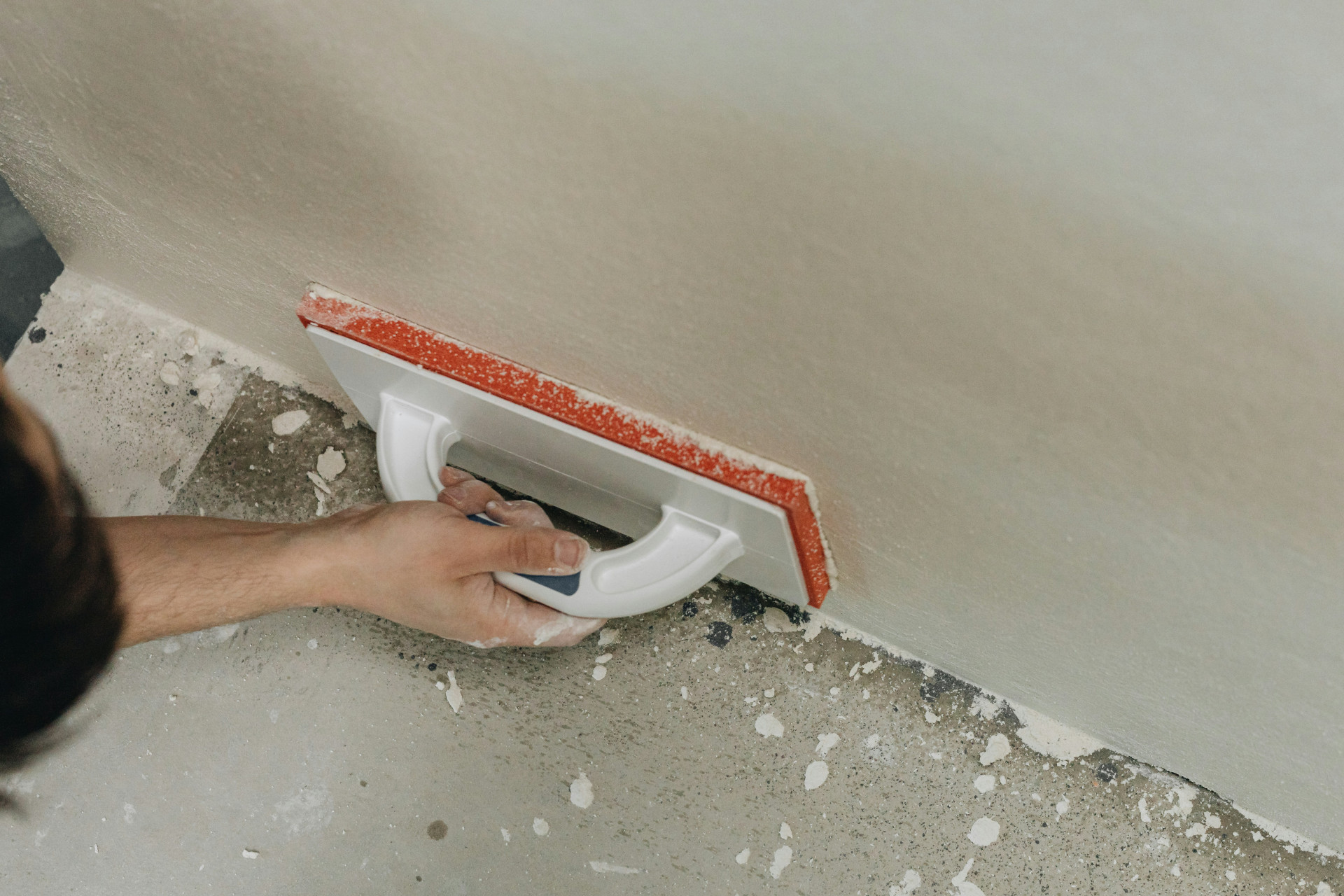
When removing damaged bricks, work slowly and precisely to avoid harming the surrounding masonry. Use a chisel and hammer gently, and clear out all old mortar so the new bricks sit firmly in place.
Lay the new bricks with the prepared mortar, keeping them level with the existing ones. Repoint once the mortar has begun to set, shaping the joints to match the original style.
It’s best to work in small sections, allowing you to assess how well the repair blends as you go.
Finishing and Patination
Even with careful work, new bricks may initially look too fresh. Over time, weathering will soften the contrast, but you can help the process along.
- Light limewashing can tone down bright colours.
- A thin lime slurry can create a more uniform appearance.
- Avoid paint or waterproof coatings, as they can trap moisture and damage the wall.
The goal is for the repair to look natural—part of the wall’s story, not a new addition.
Preserve the Spirit of the Wall
Repairing old masonry is not just a technical task; it’s an act of respect for the building’s heritage. A discreet repair maintains the structure’s character and ensures it continues to stand beautifully for years to come.
With the right materials, patience, and an eye for detail, you can achieve a result that is both durable and harmonious—one that quietly honours the craftsmanship of the past.