Home Insulation: How to Prepare Your House for Future Energy Standards

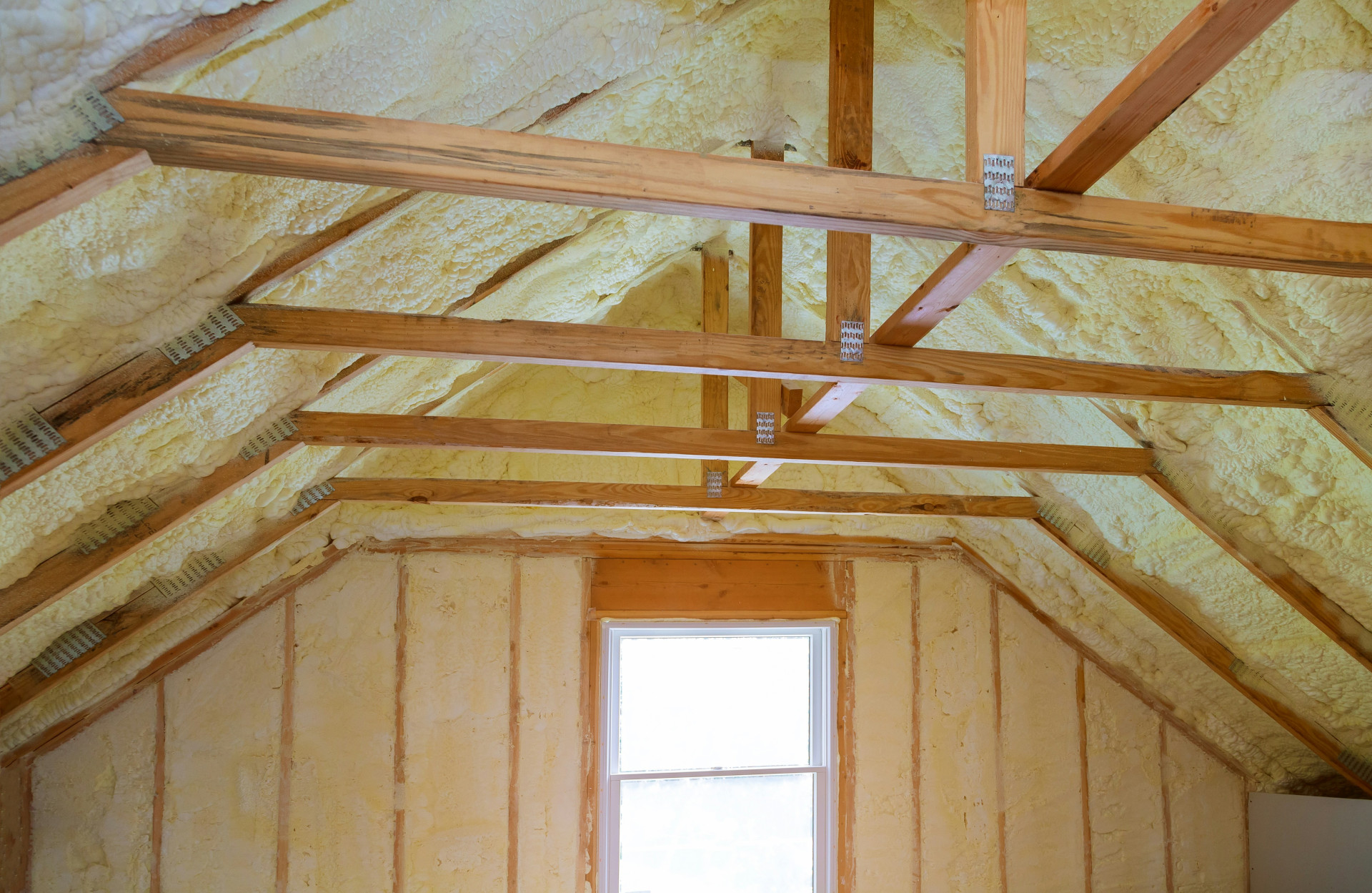
Home Insulation: How to Prepare Your House for Future Energy Standards
India’s energy landscape is changing rapidly. With rising electricity costs, growing awareness of climate change, and new building codes focusing on energy efficiency, homeowners are increasingly looking for ways to make their houses more sustainable. One of the most effective ways to achieve this is through proper insulation. Good insulation not only keeps your home comfortable in both summer and winter but also reduces your energy bills and carbon footprint. Here’s how you can prepare your home for the energy standards of the future.
Why Insulation Matters in India
India’s diverse climate means that insulation plays different roles in different regions. In the north, it helps retain heat during cold winters, while in the south and west, it keeps interiors cool during scorching summers. In both cases, insulation reduces the need for heating and cooling, leading to lower electricity consumption.
A well-insulated home also provides a more stable indoor temperature, reduces noise from outside, and prevents moisture problems such as dampness and mold. Moreover, as energy efficiency becomes a key factor in property valuation, investing in insulation can increase your home’s market value.
Start with an Energy Audit
Before you begin any insulation work, it’s wise to conduct an energy audit. This assessment identifies where your home is losing energy and which improvements will have the greatest impact.
An energy audit typically includes:
- Thermal imaging to detect heat leaks.
- Inspection of walls, roofs, floors, and windows.
- Recommendations for insulation materials and cost-benefit analysis.
You can hire a certified energy auditor or consult your local electricity board for guidance. A professional evaluation helps you prioritize upgrades and avoid unnecessary expenses.
Key Areas to Insulate
Roof and Ceiling
In most Indian homes, the roof is the main source of heat gain. Insulating the roof can reduce indoor temperatures by several degrees during summer. Materials like polyurethane foam, reflective coatings, or glass wool can be applied under the roof or on the ceiling. For flat roofs, adding a layer of insulation beneath waterproofing can make a big difference.
Walls
External walls absorb a lot of heat, especially in concrete buildings. You can insulate walls from the inside using foam boards or from the outside with cladding systems. In new constructions, cavity wall insulation is an efficient option. For existing homes, external insulation also improves the building’s appearance and protects it from weather damage.
Floors
In regions with cold winters, such as Himachal Pradesh or Kashmir, insulating floors can prevent heat loss and make interiors more comfortable. Insulation boards or foam layers can be installed beneath tiles or wooden flooring. In humid areas, ensure proper moisture barriers to prevent dampness.
Windows and Doors
Windows and doors are often overlooked but can account for significant energy loss. Double-glazed or low-emissivity (Low-E) glass windows help maintain indoor temperatures. If replacing windows isn’t feasible, use weatherstripping, sealant, or thermal curtains to reduce air leakage.
Choosing the Right Materials
India offers a wide range of insulation materials, each with its own advantages:
- Glass wool and rock wool: Affordable, fire-resistant, and effective for roofs and walls.
- Expanded polystyrene (EPS) and extruded polystyrene (XPS): Lightweight and moisture-resistant, ideal for external walls and roofs.
- Polyurethane foam (PUF): Excellent thermal performance, suitable for both new and existing buildings.
- Natural materials like cork, coir, or cellulose: Eco-friendly options that regulate humidity and are gaining popularity in sustainable construction.
When selecting materials, consider local climate, building type, and budget. Always ensure proper installation to avoid gaps or moisture issues.
Common Mistakes to Avoid
Even the best materials won’t perform well if installed incorrectly. Watch out for these common pitfalls:
- Poor sealing around joints and edges, leading to air leaks.
- Lack of ventilation, which can trap moisture and cause mold.
- Ignoring thermal bridges, such as uninsulated beams or window frames, which reduce overall efficiency.
Hiring experienced professionals or following manufacturer guidelines can help you avoid these issues.
Cost and Incentives
Insulation is an investment that pays off over time through lower electricity bills. Depending on the size of your home and the materials used, the payback period can range from 3 to 8 years. Some state governments and energy agencies in India offer incentives or rebates for energy-efficient upgrades—check with your local authorities or the Bureau of Energy Efficiency (BEE) for current programs.
Building for the Future
As India moves toward stricter energy codes and sustainable living, well-insulated homes will become the norm rather than the exception. Insulation is not just about comfort—it’s about reducing energy demand, cutting emissions, and contributing to a greener future.
Whether you live in a city apartment or a rural house, improving your home’s insulation is one of the smartest steps you can take today to prepare for tomorrow’s energy standards. A well-insulated home is cooler in summer, warmer in winter, and kinder to both your wallet and the planet.