How to Extend the Lifespan of Your Wall Insulation

How to Extend the Lifespan of Your Wall Insulation
Good wall insulation is one of the most effective ways to save energy and maintain a comfortable indoor climate. In India, where temperatures can range from scorching summers to cool winters depending on the region, proper insulation helps keep homes energy-efficient and pleasant all year round. However, even the best insulation can deteriorate over time due to moisture, pests, or general wear and tear. With a bit of care and regular maintenance, you can significantly extend its lifespan. Here’s how to take good care of your wall insulation.
Know Your Insulation Type
Before you can maintain your insulation, it’s important to know what kind you have. In Indian homes, the most common types of wall insulation include:
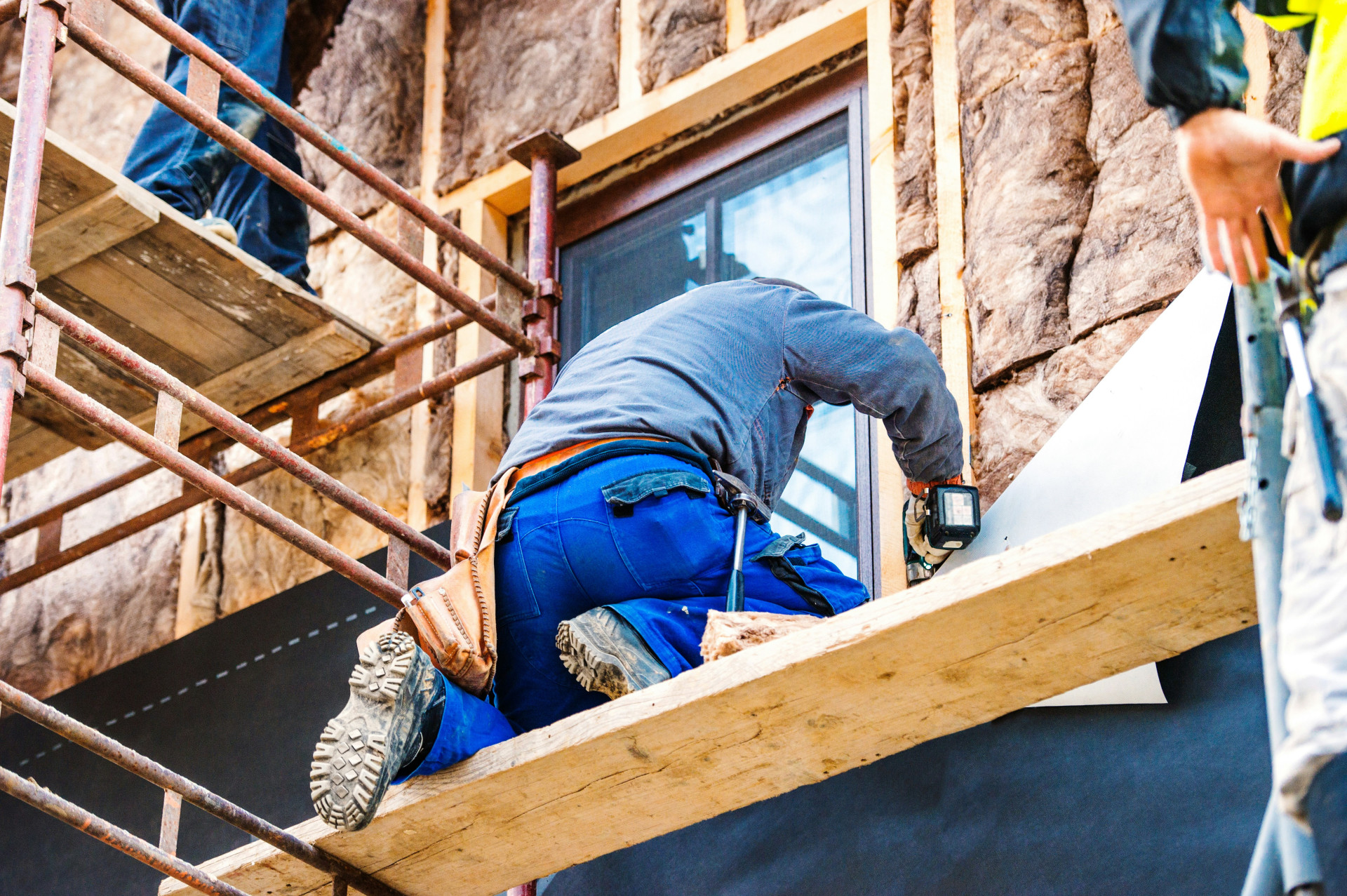
- Mineral wool (glass wool or rock wool) – widely used for both thermal and acoustic insulation.
- Expanded or extruded polystyrene (EPS/XPS) – popular in modern constructions for its durability and moisture resistance.
- Polyurethane foam (PUF) – often used in cavity walls and prefabricated structures.
- Natural materials such as coconut coir, jute, or cellulose – increasingly used in eco-friendly buildings.
Each material behaves differently. For example, mineral wool can lose efficiency if it gets wet, while foam insulation is more resistant to moisture but can degrade under prolonged UV exposure. Knowing your insulation type helps you detect and address problems early.
Protect Against Moisture and Humidity
Moisture is the biggest enemy of insulation. In India’s humid and monsoon-prone climate, dampness can easily seep into walls, reducing insulation performance and encouraging mould growth.
- Inspect for leaks around windows, doors, and roof joints, especially before and after the monsoon season.
- Ensure proper drainage around your home so that rainwater doesn’t collect near the foundation.
- Maintain good ventilation, particularly in kitchens, bathrooms, and basements, to prevent condensation.
- Use waterproof coatings or sealants on exterior walls to reduce water penetration.
If you notice damp patches, peeling paint, or a musty smell, act quickly. A moisture meter or a professional inspection can help determine whether your insulation has been affected.
Avoid Damage During Renovation
Many insulation problems occur during home improvement projects. Drilling, nailing, or removing panels can accidentally damage the insulation or the vapour barrier behind the wall.
- Always use the correct tools and techniques when working on insulated walls.
- Avoid puncturing vapour barriers unless you can reseal them properly afterward.
- When replacing windows or modifying facades, consult a qualified contractor to ensure the insulation remains intact.
A small mistake can lead to long-term issues like heat loss or moisture infiltration, so it’s worth taking precautions.
Inspect the Exterior Regularly
Your exterior walls are the first line of defence against weather. Cracks, peeling paint, or damaged plaster can allow water to seep in and harm the insulation inside.
- Check your exterior walls at least once a year, ideally after the rainy season.
- Repair cracks and gaps promptly to prevent them from expanding.
- Repaint or recoat the exterior every few years with weather-resistant paint to maintain protection.
A well-maintained exterior not only keeps your insulation safe but also enhances your home’s appearance and durability.
Keep Pests Away
In some regions of India, rodents, termites, or insects can damage insulation materials, especially natural or cellulose-based ones.
- Seal entry points around pipes, vents, and wall joints.
- Use pest-resistant materials or treatments if you live in an area prone to infestations.
- Inspect attics and wall cavities periodically for signs of nesting or chewing.
Preventing pest damage early can save you from costly repairs later.
Consider Upgrading When Renovating
Even if your insulation still works, it may be worth upgrading when you renovate. Newer materials often offer better thermal performance and longer durability.
For example, if your cavity wall insulation has settled or degraded, you can refill it with modern foam or granulate materials. This is a relatively simple and cost-effective way to improve comfort and reduce energy bills.
Always consult an energy expert or building professional to assess whether upgrading is worthwhile and how to do it safely.
Think Holistically About Energy Efficiency
Insulation works best as part of a complete energy system. Poorly sealed windows, uninsulated roofs, or inadequate ventilation can undermine even the best wall insulation.
- Ensure balanced ventilation to control humidity.
- Combine insulation with energy-efficient windows and doors.
- Plan energy upgrades as a whole, rather than in isolation, to get the best results.
When all parts of your home work together, your insulation lasts longer and your living environment becomes healthier and more comfortable.
A Smart Investment for the Long Term
Caring for your wall insulation doesn’t require major effort, but it can make a big difference over time. Regular inspections, prompt repairs, and good ventilation are key to preserving its effectiveness for many years.
It’s not just about saving energy—it’s about protecting your home from moisture, pests, and heat, while ensuring a comfortable indoor climate throughout India’s diverse seasons.