Light and Warmth: How to Use Colors and Surfaces to Save Energy


Light and Warmth: How to Use Colors and Surfaces to Save Energy
When we think about saving energy at home, most of us focus on appliances, insulation, or air conditioning. But colors and surfaces also play a surprisingly important role in how much energy we use for lighting and temperature control. With the right choices, you can make better use of natural light, keep your home cooler or warmer as needed, and create a more comfortable living space. Here’s how to use colors and materials strategically to save energy in your Indian home.
The Power of Color in Light and Heat
Colors don’t just affect mood—they also influence how light and heat behave in a room. Light colors reflect sunlight, while dark colors absorb it. In India’s warm climate, this means that lighter shades can help keep your home cooler and reduce the need for artificial lighting during the day.
However, in cooler regions or during winter months in northern India, darker tones can help retain warmth by absorbing sunlight. The key is to balance color choices according to your local climate and the orientation of each room.
In short:
- Light colors = more reflection, less heat absorption, lower cooling costs.
- Dark colors = more heat absorption, useful in cooler areas or seasons.
Making the Most of Daylight
Daylight is free energy, and using it well can significantly reduce your electricity bills. The way you choose colors and finishes can help daylight reach deeper into your home.
- White or light-colored ceilings reflect sunlight evenly throughout the room.
- Light walls near windows help spread natural light further.
- Matte finishes reduce glare while still reflecting light effectively.
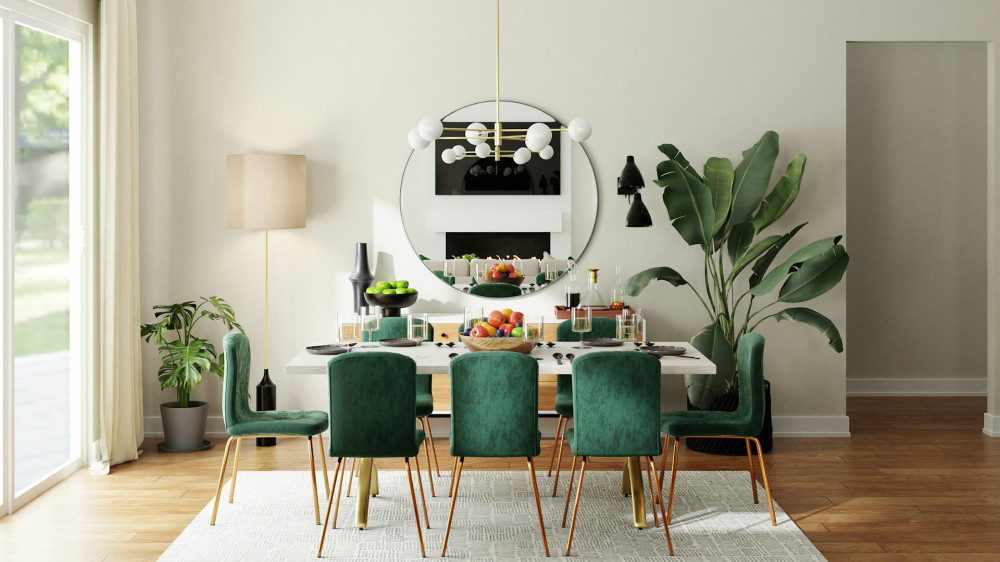
If your floors or furniture are dark, balance them with lighter walls, curtains, or rugs to keep the space bright. This can help you rely less on artificial lighting during the day—a simple way to save electricity.
Surfaces That Regulate Temperature
The materials you use also affect how heat is stored and released indoors.
- Heavy materials like brick, stone, or concrete absorb heat during the day and release it slowly at night—ideal for regions with large temperature differences between day and night.
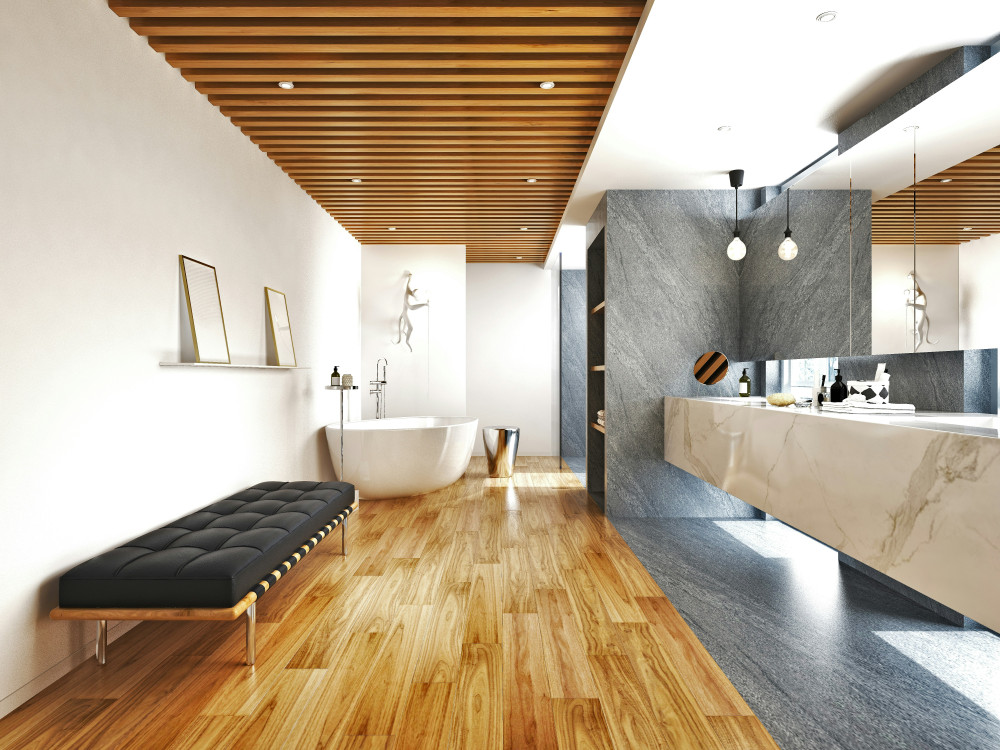
- Wood and fabrics feel warmer to the touch and can make a room feel more comfortable without extra heating or cooling.
In hot climates, combining light-colored walls with reflective surfaces can prevent heat buildup. In cooler areas, darker tones on sun-facing walls can help capture solar warmth naturally.
Colors for Every Room
Think about how each room is used and how much sunlight it receives before choosing colors:
- Living rooms and family areas: Warm, earthy tones create a cozy atmosphere while still reflecting enough light.
- Kitchens and workspaces: Bright, light colors improve visibility and reduce the need for extra lighting.
- Bedrooms: Cool, calming shades like pale blue or soft green can make the space feel cooler and more restful, especially in hot weather.
By matching colors to each room’s function and orientation, you can enhance comfort and energy efficiency at the same time.
Small Changes, Big Impact
You don’t need a full renovation to see results. Even small adjustments can make a difference:
- Replace heavy, dark curtains with lighter fabrics that let in more daylight.
- Use mirrors or glossy surfaces to reflect light into darker corners.
- Paint exterior walls in light, reflective colors to reduce heat absorption.
- Add reflective film to windows or roofs to keep interiors cooler.
These simple steps can lower your electricity use for both lighting and cooling—without major expense.
A Home That Works With Energy, Not Against It
Using colors and surfaces wisely isn’t just about design—it’s about letting your home work with natural energy instead of against it. By maximizing daylight and managing heat through thoughtful color and material choices, you can reduce your energy bills and create a more pleasant living environment.
It’s a simple, sustainable way to make your home more efficient—while keeping it bright, comfortable, and full of life.