Modern Architecture Meets Classical Sealing Techniques

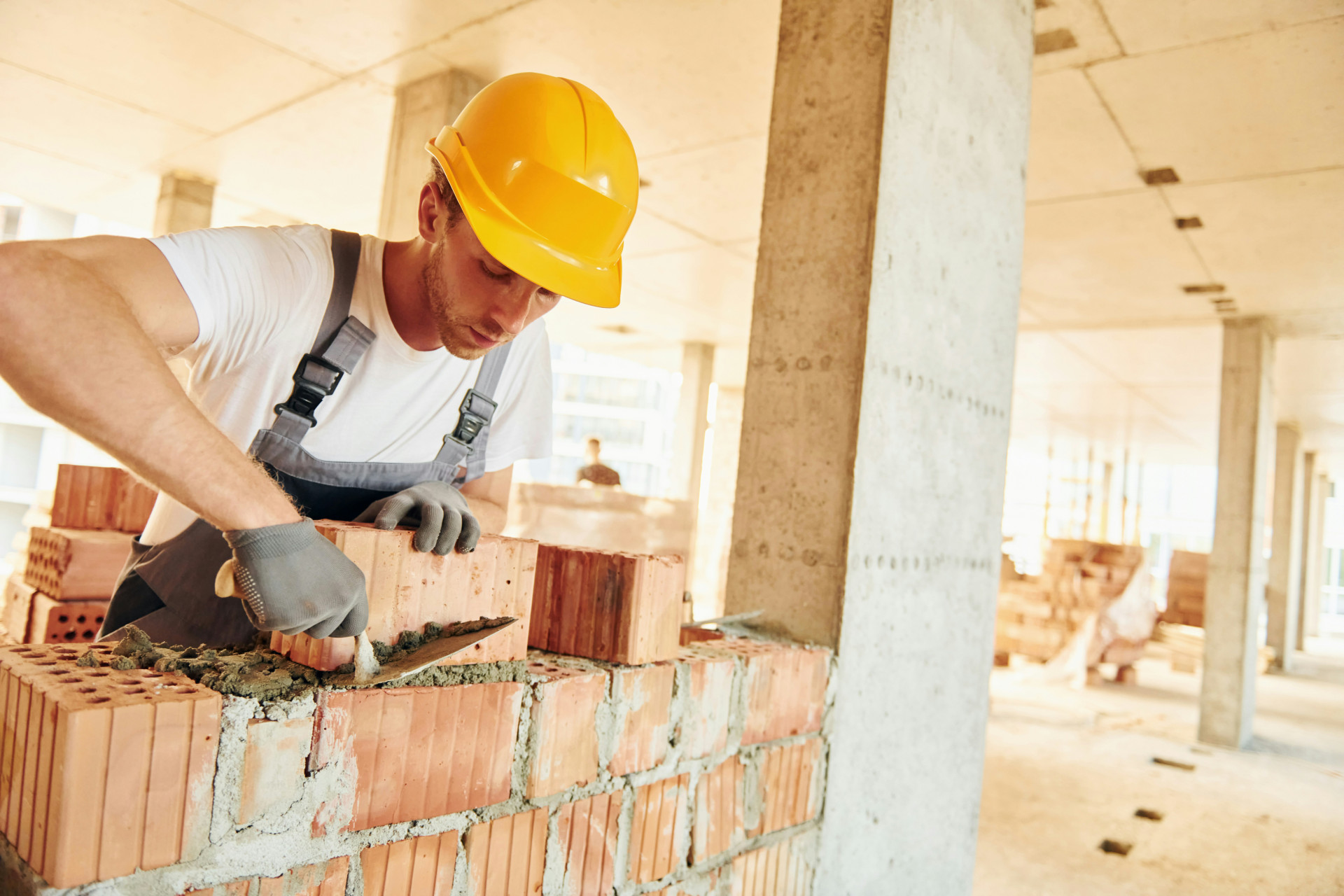
Modern Architecture Meets Classical Sealing Techniques
As India’s cities continue to grow and transform, modern architecture is increasingly defined by sleek lines, open spaces, and innovative materials. Yet, amid this forward-looking design language, there is a renewed appreciation for traditional craftsmanship—especially in the way buildings are sealed and finished. Classical sealing techniques, once common in heritage structures, are finding new relevance in contemporary Indian construction for their durability, sustainability, and aesthetic depth.
Rediscovering the Craft
For decades, efficiency and speed have dominated the construction industry. Sealants and joints were often treated as purely functional elements, meant to keep out moisture and dust. But as architects and builders in India begin to value the tactile and visual qualities of materials, traditional sealing methods are being rediscovered as tools for both performance and beauty.
Techniques such as lime-based pointing, recessed joints, and flush finishes are being reintroduced in projects that seek to combine modern design with a sense of authenticity. These methods create subtle shadows and textures that change with the light—an effect that resonates with India’s diverse climatic conditions and architectural traditions.
The Return of Lime Mortar
At the heart of many classical sealing techniques lies lime mortar. For centuries, Indian builders used lime in temples, forts, and havelis, appreciating its flexibility and breathability. In the modern era, cement mortar largely replaced lime due to its quick setting time and strength. However, as sustainability and building health become central concerns, lime is making a comeback.
Lime mortar allows walls to “breathe,” reducing moisture buildup and preventing cracks. It also ages gracefully, developing a natural patina that enhances the character of a building. In India’s humid and varied climate—from the coasts of Kerala to the dry plains of Rajasthan—lime’s ability to regulate moisture makes it an ideal choice for both restoration and new construction.
Where Tradition Meets Innovation
Across India, several contemporary projects are blending modern design with traditional sealing techniques. In cities like Ahmedabad and Pune, architects are experimenting with exposed brickwork and lime pointing to create façades that feel both modern and rooted in local heritage. The combination of hand-moulded bricks and soft lime joints produces a surface that interacts beautifully with sunlight, offering warmth and texture to otherwise minimalist designs.
This approach also aligns with India’s growing focus on sustainable architecture. By using locally sourced materials and time-tested methods, builders can reduce the carbon footprint of construction while ensuring long-term resilience.
Maintenance and Longevity
One of the key advantages of classical sealing methods is their ease of maintenance. Lime joints can be repaired locally without dismantling entire sections of a wall, and they tend to age in harmony with the surrounding materials. This makes them particularly suitable for India’s heritage conservation projects, as well as for modern buildings that aim for longevity rather than short-term efficiency.
However, these techniques require skilled craftsmanship. The preparation of lime mortar, the timing of application, and the curing process all demand experience and care. As a result, there is a growing need to train a new generation of masons and artisans who can carry forward these traditional skills in a modern context.
Aesthetic Depth and Human Touch
In an age of prefabricated panels and uniform finishes, classical sealing techniques bring a sense of individuality and warmth to architecture. The slight irregularities in joint width, the soft texture of lime, and the interplay between stone or brick and mortar create a tactile quality that connects people to the built environment.
This is not about nostalgia—it is about learning from the past to build better for the future. When modern architecture meets classical sealing techniques, the result is a dialogue between precision and craftsmanship, between innovation and tradition.
Building the Future on the Strength of the Past
The future of Indian architecture may well depend on how effectively it integrates traditional wisdom with modern technology. Classical sealing methods offer more than just aesthetic value—they embody principles of sustainability, adaptability, and respect for materials. As India continues to redefine its urban landscape, these age-old techniques remind us that progress and heritage can coexist beautifully, one joint at a time.