Order in the Garage: How to Prevent Accidents and Injuries

Order in the Garage: How to Prevent Accidents and Injuries
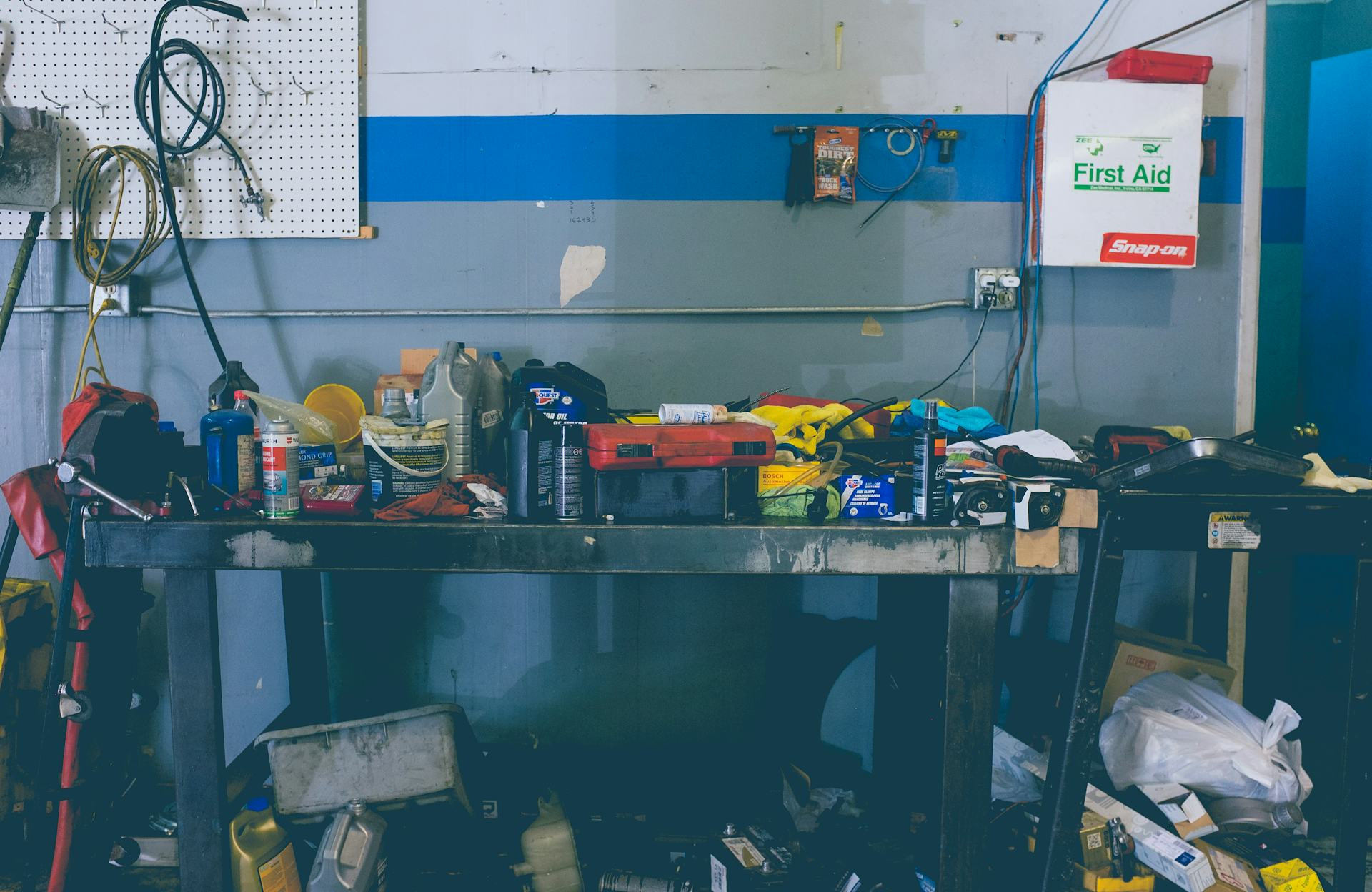
For many Indian households, the garage is more than just a place to park the car. It often doubles as a storage room, a small workshop, or even a space for home projects. But when tools, spare parts, and containers of oil or paint start piling up, the garage can quickly turn into a hazardous area. Sharp tools, heavy equipment, and flammable materials can all cause accidents if not handled properly. With a bit of planning and organization, however, you can make your garage both safe and efficient. Here’s how to prevent accidents and injuries in your garage.
Begin with a thorough clean-up
The first step toward a safe garage is to clear the clutter. Take everything out and sort it into categories: tools, car care products, gardening equipment, paints, and chemicals. Discard broken items and old containers that you no longer use—especially those holding oil, thinner, or cleaning agents that may have expired or started leaking.
A clean-up not only gives you more space but also helps you see what needs proper storage and what can be safely disposed of. In India, many local municipalities and petrol stations accept used oil and hazardous waste—make use of these facilities instead of throwing such items in regular bins.
Assign a place for everything
One of the simplest ways to prevent accidents is to give every item a fixed place. Hang tools on the wall using hooks or pegboards instead of leaving them on the floor or workbench. This keeps sharp objects out of the way and makes it easier to find what you need.
Store heavy items like car batteries, jacks, or spare tyres on lower shelves to prevent them from falling. Lighter items can go higher up. This arrangement reduces the risk of injuries from falling objects and keeps the floor clear for safe movement.
Store chemicals and flammable liquids safely
Garages often contain petrol, lubricants, paints, and cleaning fluids—all of which can be dangerous if not stored correctly. Keep them in tightly sealed containers and away from heat sources such as water heaters, welding equipment, or direct sunlight.
In India’s warm climate, high temperatures can increase the risk of fumes and fire. Store such materials in a cool, shaded area, preferably in a metal cabinet. Always read the labels and follow the manufacturer’s instructions for storage and disposal. Keep these substances out of reach of children and pets.
Ensure good lighting and ventilation
Poor lighting and lack of ventilation are common causes of accidents. Make sure your garage is well-lit, especially around the workbench and entry points. LED lights are a good choice—they provide bright illumination and are energy-efficient.
Ventilation is equally important. If you’re working with paints, solvents, or running engines indoors, open the doors and windows to let fresh air in. Installing an exhaust fan can also help remove fumes and dust, making the space safer to work in.
Mind your posture and flooring
Many injuries in the garage happen not because of accidents, but because of poor posture or slippery floors. Use a workbench at a comfortable height to avoid bending over for long periods. When lifting heavy objects, bend your knees and keep your back straight.
Consider using rubber mats or anti-slip tiles on the floor. These not only make cleaning easier but also reduce the risk of slipping, especially during the monsoon season when moisture can make floors slick.
Check electrical safety
Power tools and extension cords are handy but can be dangerous if misused. Avoid overloading sockets, and regularly inspect cords for damage. Use only grounded plugs and certified extension boards. Always switch off and unplug tools when not in use.
If you use heaters or other electrical appliances in the garage, keep them away from flammable materials. Never use open flames for heating or lighting—this can easily lead to fires, especially near petrol or oil.
Make safety a habit
Once your garage is organized, maintaining safety is all about consistency. Put tools back after use, wipe up spills immediately, and check regularly that shelves and hooks are secure. These small habits can prevent serious accidents.
If you have children, teach them that the garage is not a play area. Explain which items are dangerous and ensure that tools and chemicals are stored out of their reach.
A safe garage is a better garage
A well-organized garage doesn’t just look good—it makes your daily life easier and safer. When everything has its place and hazards are under control, you can work more efficiently and with peace of mind. With a little effort and attention, your garage can become a space for creativity and productivity—without the risk of accidents or injuries.