Organize Your Wardrobe with Labels, Hangers, and Dividers

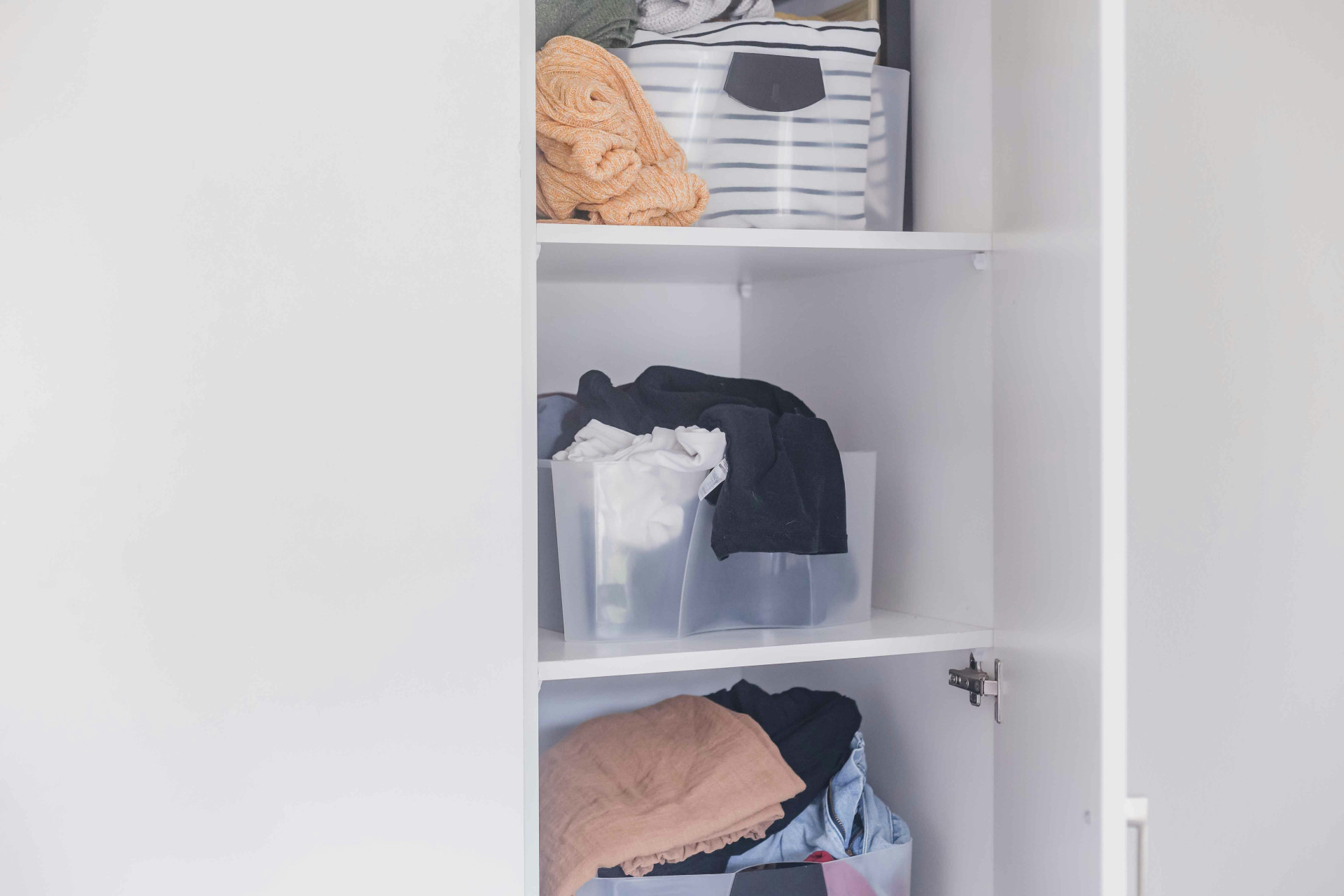
Organize Your Wardrobe with Labels, Hangers, and Dividers
A well-organized wardrobe can make your mornings smoother and your daily routine more enjoyable. When everything has its place, you save time, protect your clothes, and create a sense of calm in your home. Whether you live in a spacious apartment in Mumbai or a compact home in Chennai, a few simple tools—labels, hangers, and dividers—can help you bring order to your wardrobe. Here’s how to get started.
Begin with a Clean-Out
Before you start organizing, take everything out of your wardrobe. Sort your clothes into three piles: keep, donate/sell, and discard. Be honest with yourself—if you haven’t worn something in the past year, it’s probably time to let it go.
In India, there are many ways to give your clothes a second life. You can donate gently used garments to local NGOs, community drives, or recycling initiatives. Once you’ve decluttered, you’ll have a clearer idea of how much space you actually need and how to use it efficiently.
Labels for Easy Access
Labels are a simple yet powerful way to create structure. They help you find what you need quickly and keep your wardrobe tidy.
- Use clear categories such as “Office Wear,” “Ethnic Wear,” “Casuals,” or “Winter Clothes.”
- Choose a consistent look—for example, white labels with black text—for a neat and uniform appearance.
- Opt for reusable labels or small chalkboard tags if you like to rearrange your wardrobe seasonally.
Labels are especially useful in shared wardrobes, where multiple family members need to find their things easily.
Hangers That Work for You
The right hangers can make a big difference in how your clothes look and last. They help maintain shape, save space, and give your wardrobe a polished look.
- Wooden hangers are sturdy and ideal for blazers, shirts, and saree blouses.
- Velvet or non-slip hangers are slim and perfect for delicate fabrics like chiffon or silk kurtas.
- Clip hangers are great for trousers, skirts, or dupattas.
Try using the same type of hanger throughout your wardrobe—it creates a clean, cohesive look and makes it easier to hang clothes neatly.
Dividers for Structure
Dividers help you separate your wardrobe into logical sections—by type, color, season, or occasion.
- Shelf dividers keep folded clothes like jeans, sweaters, or sarees in neat stacks.
- Hanging dividers can mark transitions between workwear, festive wear, and casual outfits.
- Drawer dividers are perfect for organizing undergarments, socks, scarves, and accessories.
If you share a wardrobe with a partner or family member, dividers can also help define personal sections, reducing confusion and clutter.
Think in Zones and Seasons
A functional wardrobe reflects your lifestyle. Keep the clothes you wear most often at eye level, and store seasonal or occasional items—like winter jackets or festive outfits—in boxes or on higher shelves.
In India’s varied climate, rotating your wardrobe with the seasons is especially useful. When summer arrives, pack away woollens and bring out cottons and linens. During the monsoon, keep raincoats and quick-dry fabrics within easy reach. This rotation keeps your wardrobe fresh and relevant all year round.
Add a Personal Touch and Maintain It
Your wardrobe should be both practical and personal. Use colorful storage boxes, scented sachets, or decorative baskets to make it inviting. You can even add small touches like a mirror or a soft light inside your wardrobe for convenience.
Set aside time every few months to review and tidy up. Once your system is in place, maintenance becomes quick and easy—and you’ll always know exactly where everything is.
A Wardrobe That Brings Calm to Your Day
An organized wardrobe isn’t just about neatness—it’s about creating a space that supports your daily life. With the help of labels, hangers, and dividers, you can transform your closet into a place of order and ease. Every morning will start a little smoother, and you’ll enjoy the peace that comes from knowing everything is right where it belongs.