Pipe Materials and the Environment: What Does Your Choice Mean for the Future?

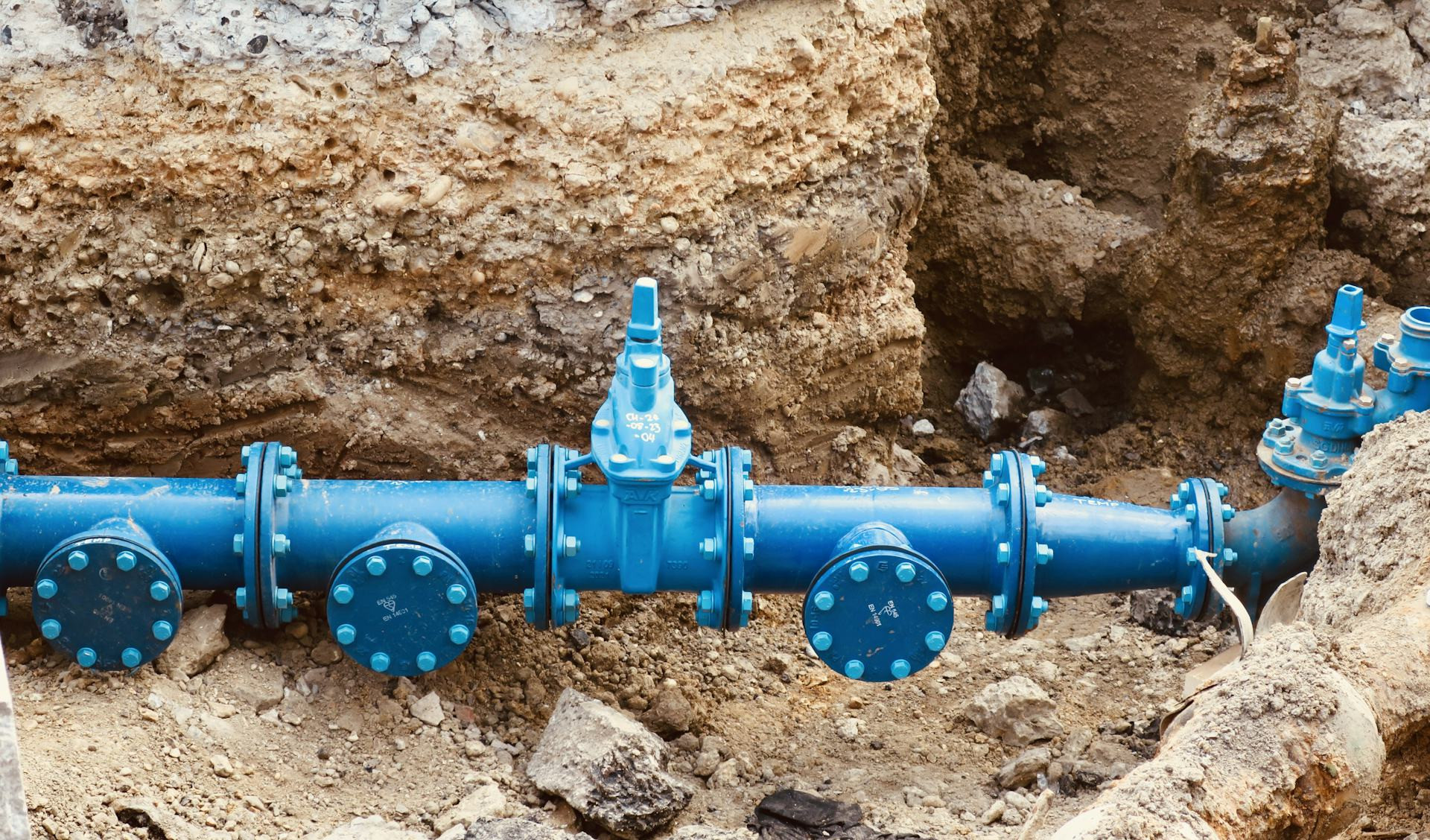
Pipe Materials and the Environment: What Does Your Choice Mean for the Future?
When you choose pipes for your home—whether for water supply, drainage, or heating—it’s not just about cost and durability. The material you select also affects the environment, from how it’s produced to how it’s disposed of decades later. In a country like India, where sustainable construction is gaining attention and water scarcity is a growing concern, understanding the environmental impact of your pipe choice is more important than ever.
From Metal to Plastic – A Matter of Resources
Traditionally, metal pipes such as copper and galvanized steel were the standard in plumbing. Copper is durable, resists bacterial growth, and can last for decades. However, mining and refining copper require large amounts of energy and generate significant greenhouse gas emissions. While copper can be recycled almost endlessly, the initial extraction still leaves a heavy environmental footprint.
Plastic pipes—commonly made from PVC, CPVC, PEX, or HDPE—have become increasingly popular in India’s residential and commercial buildings. They are lightweight, easy to install, and often cheaper than metal alternatives. Their production generally consumes less energy, but since they are derived from petroleum, their sustainability depends on how they are managed at the end of their life. Some types can be recycled, while others end up as waste that may contribute to pollution if not properly handled.
Life Cycle and Carbon Footprint
To assess the environmental impact of a pipe material, it’s essential to look at its entire life cycle—from raw material extraction to disposal. A pipe that lasts 50 years may ultimately be more sustainable than one that needs replacement after 20, even if it required more energy to produce.
- Copper pipes have a high production footprint but can be recycled repeatedly without losing quality.
- Steel pipes are strong and recyclable but prone to corrosion and energy-intensive to manufacture.
- Plastic pipes are light and long-lasting, but recycling systems for them are still limited in many parts of India, and microplastic pollution is a growing concern.
Sustainability, therefore, is not just about the material itself but also about how it’s used, maintained, and reused.
Health and Water Quality
Another key factor is how the pipe material affects water quality. In India, where water chemistry varies widely—from hard water in cities like Delhi to acidic water in coastal regions—choosing the right material is crucial. Copper can release small amounts of metal into the water, especially in new installations, though levels usually decrease over time. Plastic pipes must be certified for potable water use and free from harmful additives such as lead or phthalates.
In areas with aggressive or saline water, metal pipes may corrode faster, affecting both taste and safety. In such cases, high-quality plastic pipes can be a better option, provided they meet national standards like ISI or BIS certification.
Recycling and Future Innovations
The construction industry is moving toward circular solutions, where materials are designed for reuse and recycling. For piping systems, this means developing modular systems where parts can be replaced without discarding the entire network.
Research is also underway into bio-based plastics made from renewable resources such as sugarcane or corn starch. Though still in early stages, these materials could one day replace petroleum-based plastics, reducing the carbon footprint of plumbing systems.
What Can Homeowners and Builders Do?
As a homeowner or builder, you can make a difference by:
- Choosing quality – Durable pipes reduce the need for replacements and waste.
- Asking for documentation – Look for environmental product declarations (EPDs) and certifications for drinking water safety.
- Considering the full picture – Evaluate the source of materials, energy use, and recyclability.
- Maintaining your system – Regular inspection and maintenance extend the life of your pipes and prevent leaks and water loss.
In India, where water conservation and sustainable construction are becoming national priorities, these choices can have a lasting impact.
A Choice with Consequences—and Opportunities
Pipes are hidden but vital parts of every building. They carry water, energy, and waste—quietly supporting daily life for decades. Choosing the right material is not just a technical decision; it’s an environmental one.
By opting for sustainable, high-quality materials and responsible installation practices, you contribute to a future where our homes and cities work efficiently while respecting the planet’s limits. Your choice today can help build a cleaner, more resilient India tomorrow.