Plan your insulation project step by step – choose the right materials for optimal energy efficiency

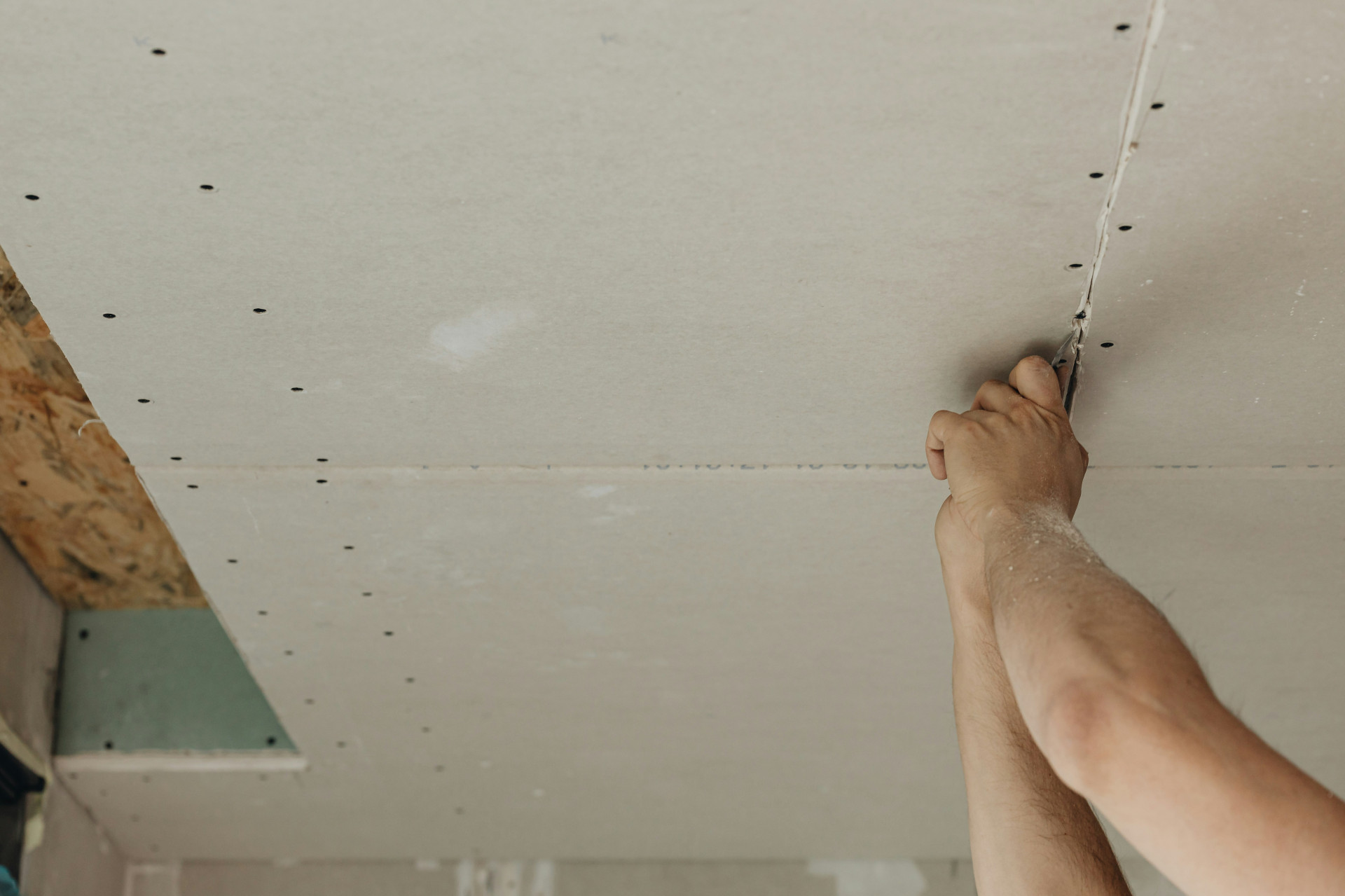
Plan your insulation project step by step – choose the right materials for optimal energy efficiency
Good insulation is one of the most effective ways to reduce energy consumption in your home. In India’s diverse climate – from the hot plains to the cooler hill regions – proper insulation helps maintain comfortable indoor temperatures, lowers electricity bills, and reduces the strain on air conditioning and heating systems. Whether you are renovating an existing house or building a new one, a well-planned insulation project can make a significant difference. Here is a step-by-step guide to help you plan your insulation project and choose the right materials for optimal energy efficiency.
Step 1: Begin with an energy assessment
Before starting, it’s important to understand where your home loses or gains the most heat. An energy assessment – either done by a professional energy auditor or through a careful self-check – can help identify problem areas. In most Indian homes, the roof, external walls, and windows are the main sources of heat gain in summer and heat loss in winter.
By mapping out these weak points, you can prioritise your efforts and invest where it matters most. A professional energy audit can also estimate potential savings and payback time, helping you make informed decisions.
Step 2: Set your budget and goals
Once you know your home’s needs, the next step is to define a realistic budget. Decide how much you want to invest and what you hope to achieve – lower electricity bills, improved comfort, reduced use of air conditioning, or a more sustainable home.
Think long-term. High-quality materials and proper installation may cost more initially but often deliver greater savings and fewer maintenance issues over time. Check if your state or local government offers incentives or subsidies for energy-efficient home improvements.
Step 3: Choose the right insulation materials
India’s climate zones vary widely, so the best insulation material depends on your region, building type, and environmental preferences.
- Mineral wool (glass wool or rock wool) – Offers excellent thermal and acoustic insulation and is fire-resistant. Suitable for roofs, walls, and ceilings.
- Expanded polystyrene (EPS) and extruded polystyrene (XPS) – Lightweight, moisture-resistant, and ideal for flat roofs and external wall insulation.
- Polyurethane (PU) foam – Provides high insulation performance in limited space, often used in roofs and cavity walls.
- Reflective insulation (aluminium foil-based) – Commonly used in hot climates to reflect radiant heat, especially under metal roofs.
- Natural materials (coconut coir, jute, or cellulose) – Eco-friendly options that are increasingly popular in sustainable construction.
Choose materials that suit your local climate. For example, reflective insulation works well in hot, dry regions, while mineral wool or cellulose performs better in cooler or mixed climates.
Step 4: Plan the installation – DIY or professional help?
Some insulation tasks can be done by homeowners, but others require skilled professionals. Roof and wall insulation, for instance, often need proper sealing and safety measures. Incorrect installation can lead to moisture buildup, mould, or reduced effectiveness.
If you are unsure about the right technique or materials, it’s best to hire certified installers. Professional work ensures that insulation is applied evenly and that air gaps or leaks are properly sealed.
Step 5: Consider ventilation and airtightness
Improving insulation makes your home more airtight, which is good for energy efficiency but can cause ventilation issues if not managed properly. Ensure that your home has adequate airflow, either through natural ventilation or mechanical systems such as exhaust fans or energy recovery ventilators.
A well-insulated but poorly ventilated home can trap humidity and pollutants, leading to discomfort and health problems. Always balance insulation with proper ventilation.
Step 6: Inspect and test the results
After installation, check that the insulation performs as expected. You can use infrared thermography or simple temperature monitoring to detect heat leaks or cold spots. Tracking your electricity bills over the following months will also show how much energy you are saving.
If you notice uneven temperatures or condensation, address these issues early to maintain efficiency and comfort.
Step 7: Maintain and upgrade over time
Insulation usually requires little maintenance, but it’s wise to inspect your roof and walls periodically for signs of moisture, pests, or damage. When you plan future renovations – such as replacing windows, roofing, or exterior finishes – consider integrating additional insulation improvements for a more comprehensive upgrade.
A smart investment for comfort and sustainability
A well-planned insulation project is not just about saving money; it’s an investment in comfort, health, and sustainability. With the right materials and careful planning, you can create a home that stays cooler in summer, warmer in winter, and more energy-efficient all year round. Step by step, you’ll be building a living space that benefits both you and the environment.