Adjust the Care of Low-Maintenance Plants According to the Season


Adjust the Care of Low-Maintenance Plants According to the Season
Low-maintenance plants are perfect for busy households, but even the easiest plants need a little seasonal attention. In India, where the climate varies from scorching summers to humid monsoons and mild winters, adjusting your plant care routine through the year helps them stay healthy and vibrant. Here’s how you can keep your plants thriving with minimal effort, no matter the season.
Spring – Time for New Growth
As temperatures rise and days get longer, plants wake up from their slower winter phase. This is when they start producing new leaves and roots, so they need a bit more care and nourishment.
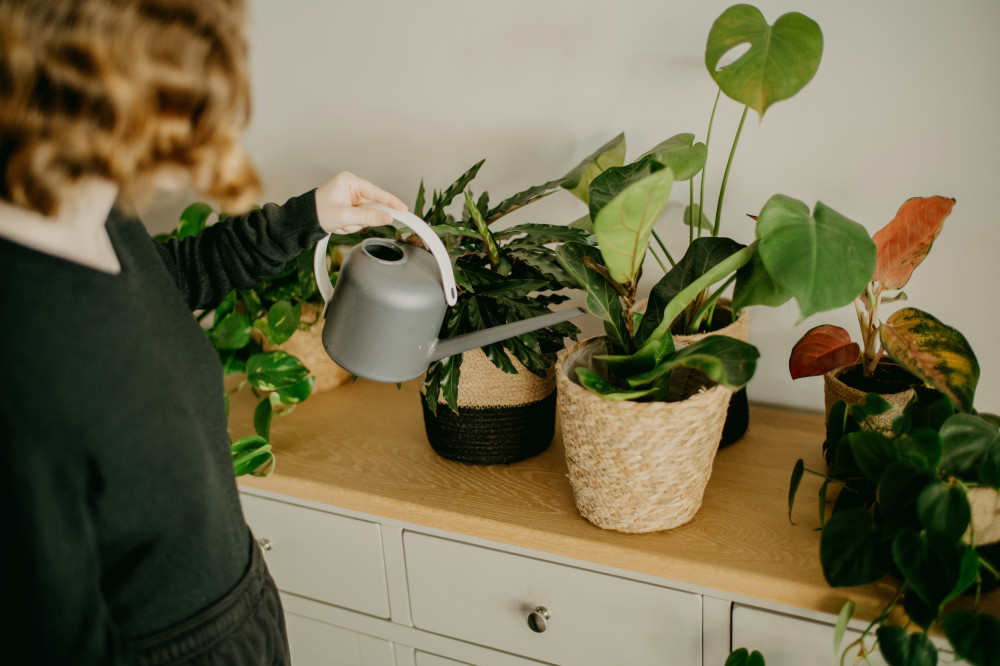
- Increase watering gradually – the soil dries faster as the weather warms. Water when the top layer feels dry.
- Start feeding – use a mild liquid fertilizer every two to three weeks to support new growth.
- Repot if needed – spring is the best time to refresh the soil or move plants to a slightly larger pot.
- Clean the leaves – dust can block sunlight; wipe leaves gently with a damp cloth to help them photosynthesize better.
Spring care is about giving your plants a gentle boost to prepare them for the active months ahead.
Summer – Heat, Light, and Fast Growth
Indian summers can be intense, especially in regions where temperatures soar above 40°C. Even hardy plants can struggle with heat stress, so a few adjustments can make a big difference.
- Water more often – check soil moisture daily, especially for balcony or terrace plants. Early morning or evening watering helps reduce evaporation.
- Provide shade – move sensitive plants like ferns or peace lilies away from direct sunlight. Use shade nets or sheer curtains to filter harsh rays.
- Feed regularly but lightly – once a week is enough; too much fertilizer in the heat can burn roots.
- Trim dead leaves and flowers – this keeps plants tidy and encourages new growth.
If you’re travelling, group your plants together in a shaded spot and water them thoroughly before leaving. Self-watering pots or capillary mats can also help.
Monsoon – Moisture and Caution
The rainy season brings relief from the heat but also challenges like excess humidity and fungal growth. Plants may not need as much watering, but they do need good drainage and airflow.
- Reduce watering – natural humidity keeps soil moist longer. Water only when the topsoil feels dry.
- Ensure proper drainage – empty saucers and trays to prevent root rot.
- Watch for pests – snails, fungus gnats, and mealybugs thrive in damp conditions. Inspect leaves regularly.
- Prune and tidy up – remove yellowing leaves to prevent mold and improve air circulation.
Monsoon care is about balance—keeping plants hydrated but not waterlogged.
Autumn – Slowing Down
As the rains fade and temperatures become pleasant, plants begin to slow their growth. This is a good time to prepare them for the cooler months ahead.
- Water less frequently – let the soil dry a bit more between waterings.
- Stop fertilizing – plants need less nutrition as growth slows.
- Move plants to brighter spots – shorter days mean less light, so place them near windows or balconies.
- Check for pests – clean up fallen leaves and inspect for any lingering insects.
Autumn is also a great time to propagate hardy plants like money plants or pothos before winter sets in.
Læs også:


Winter – Rest and Minimal Care
In most parts of India, winters are mild, but cooler nights and shorter days still affect plant growth. Many indoor plants enter a resting phase and need less attention.
- Water sparingly – overwatering is the most common winter mistake. Only water when the soil feels dry.
- Keep them warm – avoid placing plants near cold drafts or directly on chilly floors.
- Maximize light – move plants to sunny windowsills or use grow lights if needed.
- Skip fertilizer – wait until spring to start feeding again.
Even low-maintenance plants like succulents, snake plants, and ZZ plants appreciate this quiet period to recharge.
Observe and Adapt
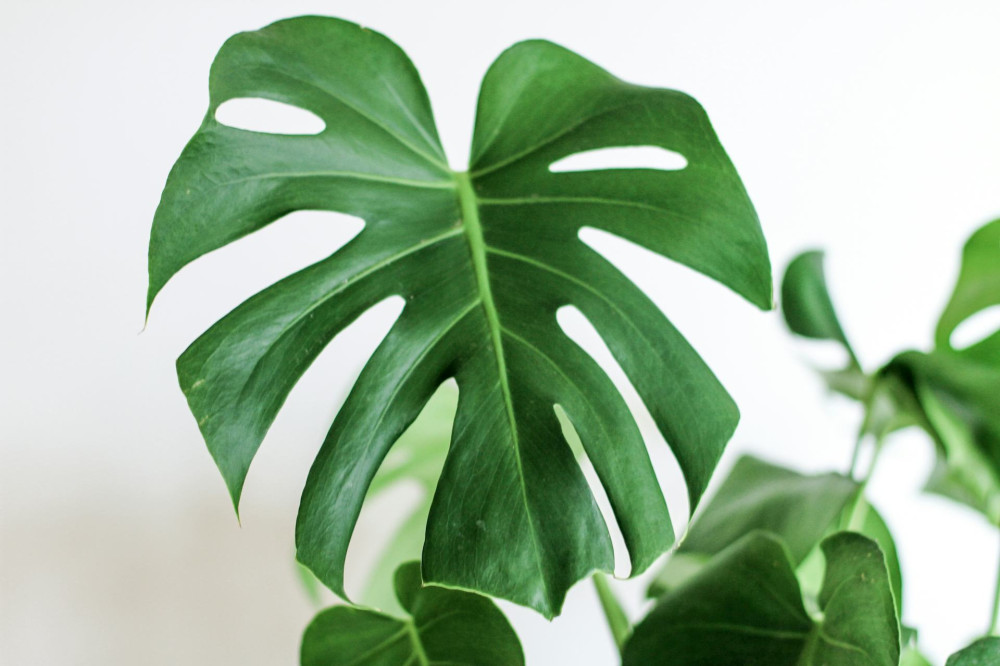
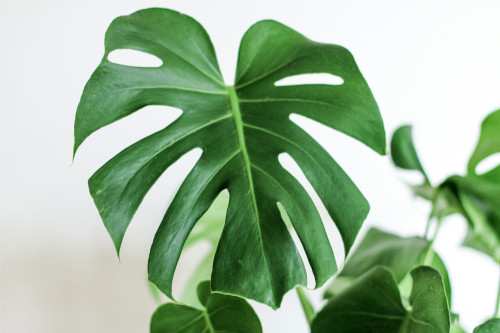
Every plant has its own rhythm. Tropical varieties like monstera or philodendron respond mainly to light changes, while succulents and cacti are more tolerant of dry conditions. The key is observation—drooping leaves, dry soil, or slow growth all tell you what your plant needs.
Simple Habits for Healthy Plants All Year
Adjusting care with the seasons doesn’t mean more work—it means smarter care. By tuning in to the natural rhythm of the Indian climate, you can keep your low-maintenance plants lush and lively throughout the year. A few mindful adjustments in watering, light, and feeding are all it takes to enjoy green, thriving plants in every season.
Læs også: