Adjust the child seat when the family welcomes a new baby

Adjust the child seat when the family welcomes a new baby
When a new baby arrives, life at home changes in countless ways. Between sleepless nights, feeding schedules, and caring for the newborn, it’s easy to overlook small but important details—like your older child’s seat at the dining table. Adjusting the child seat may seem minor, but it can make a big difference in helping your older child feel secure and comfortable during this new chapter. Here’s how Indian families can make simple adjustments that support both children and create harmony at mealtimes.
A new rhythm for the family
With a newborn in the house, daily routines shift. Mealtimes may become irregular, and parents often juggle feeding the baby while ensuring the older child eats properly. A well-adjusted child seat helps maintain a sense of order and belonging for the older sibling. It reminds them that they still have their own special place at the table, even as attention naturally turns to the baby.
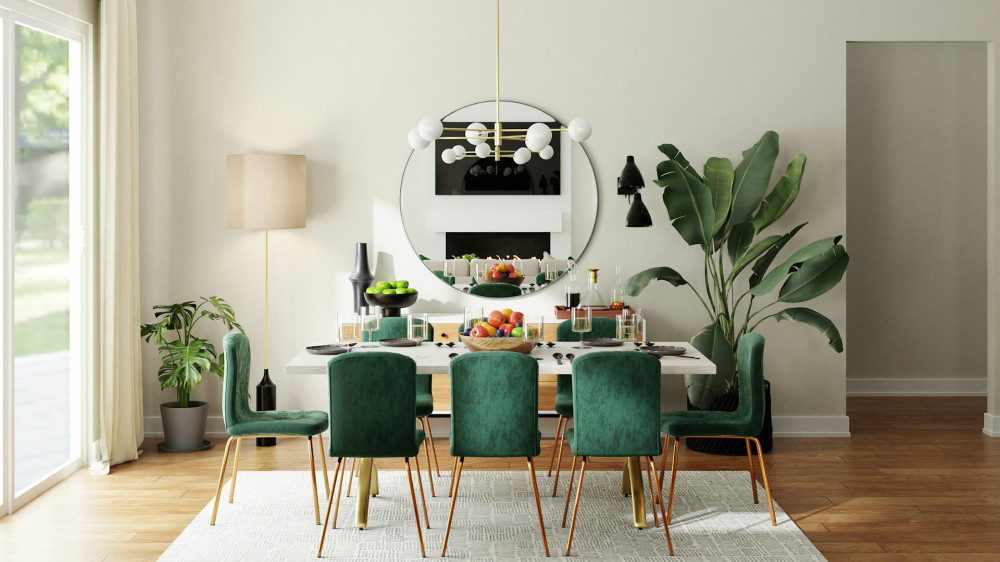
In many Indian homes, meals are a time for connection. Whether you sit together on the floor or around a dining table, making sure your older child has a comfortable and stable seat helps keep family meals calm and inclusive.
Check the seat’s settings
Modern child seats and high chairs often come with adjustable features. Before the baby arrives—or soon after—take a few minutes to check that everything fits your older child’s current size and needs.
- Seat height: The child should be able to sit with feet resting flat on the footrest and knees bent at about 90 degrees. This posture supports balance and independence while eating.
- Footrest: Adjust it so the legs don’t dangle. Proper support helps the child stay calm and focused during meals.
- Backrest: Ensure it supports the spine comfortably without pushing the child forward.
- Safety: Tighten all straps, screws, and buckles. Make sure the chair stands firmly on the floor, especially if you have smooth tiles or marble flooring common in Indian homes.
If the same chair will later be used for the baby—with a newborn insert or tray—follow the manufacturer’s instructions carefully. Always double-check that attachments are secure and that the chair cannot tip over.
Læs også:


Make space for both children
With two little ones, space around the dining area can quickly feel crowded. Think about where each child’s seat should go. The older child might enjoy sitting close to a parent, while the baby’s seat or cradle can be placed slightly apart for feeding or bottle time.
If your older child’s chair has a removable tray, it can be helpful in the early months. The child can eat independently while you attend to the baby. This setup keeps mealtimes peaceful and reduces frustration for everyone.
Involve the older child
Adjusting the seat can also be a way to include your older child in the excitement of welcoming the new baby. Let them help decide where their chair should go or choose a new cushion cover. Small gestures like these give them a sense of ownership and pride.
You can explain that their chair is being “upgraded” because they are growing up, while the baby will get their own seat later. This helps the older child feel valued and reassured that they still have a special place in the family.
Focus on comfort and ergonomics
A good child seat should be both safe and comfortable. As your child grows, their sitting posture changes. A two-year-old and a four-year-old have very different needs. Adjusting the seat regularly ensures proper support for the back and legs, preventing strain and discomfort.
If your child spends a lot of time in the chair—perhaps drawing, playing, or eating multiple meals a day—consider adding a washable cushion or cover. In India’s warm climate, breathable fabrics like cotton are ideal for comfort and hygiene.
A small change with lasting impact
Adjusting the child seat may seem like a small task amid the excitement and challenges of welcoming a new baby, but it can have a big emotional impact. A comfortable, well-fitted seat helps your older child eat better, sit safely, and feel included in family life.
As your family grows, it’s not just about making room for the baby—it’s about maintaining balance for everyone. A simple adjustment to the child seat can help create a smoother, happier transition for the whole family.
Læs også: