Facade cladding mix – create a modern look with contrasts

Facade cladding mix – create a modern look with contrasts
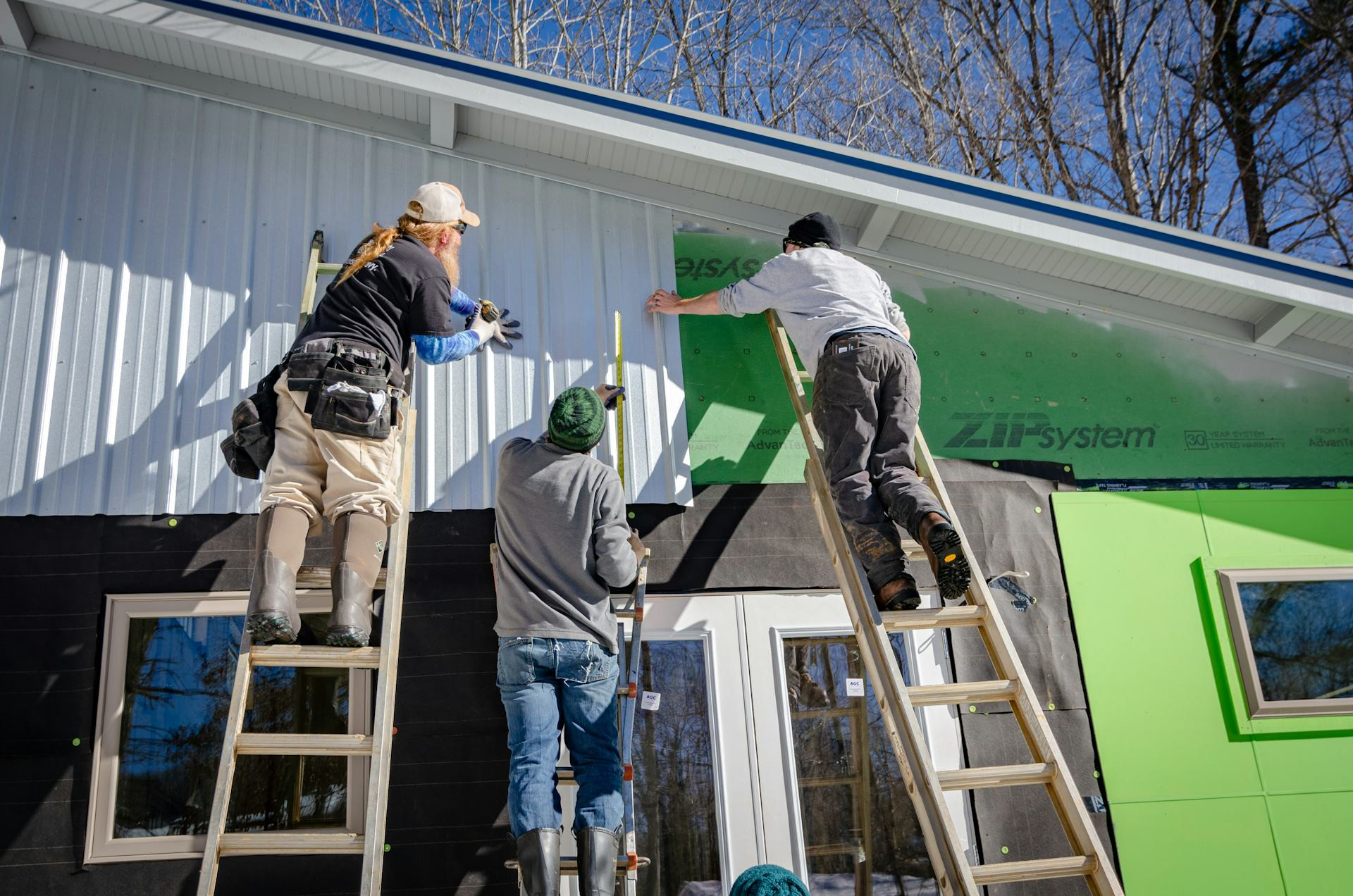
When you look at contemporary architecture in India, one of the most striking trends is the creative use of mixed facade materials. Combining wood, metal, stone, terracotta, or fibre cement panels can give a building a dynamic and modern appearance while reflecting local character and climate considerations. A mixed-material facade not only enhances visual appeal but also improves durability and performance – a perfect balance between design and function.
Why choose a mixed facade?
A mixed facade allows you to play with both texture and tone. Each material brings its own qualities: natural wood adds warmth and organic charm, metal panels introduce a sleek, industrial edge, and stone or terracotta tiles provide a timeless, earthy feel. When combined thoughtfully, these materials can highlight architectural lines, create depth, and make your home or commercial building stand out.
In India’s diverse climate – from humid coastal regions to dry inland areas – a mix of materials can also be practical. For example, stone or fibre cement can be used on lower sections of the building to resist moisture and dust, while lighter materials like treated wood or aluminium cladding can be used on upper levels to reduce weight and maintenance.
Playing with contrasts – with care
Contrasts make a facade come alive, but balance is key. Too many materials or overly bold colour differences can make the design feel cluttered. Start with two main materials that complement each other – for instance, warm-toned wood with cool grey metal, or textured stone with smooth plaster.
Pay attention to how the materials meet. A sharp, clean transition can create a modern, architectural look, while a softer blend feels more natural and traditional. The goal is to find harmony between contrast and cohesion, ensuring the design fits both the building’s style and its surroundings.
Læs også:

Materials that work well together
Some combinations are particularly effective in Indian architecture, both visually and technically:
- Wood and stone – a natural pairing that balances warmth and strength, ideal for villas and resort-style homes.
- Metal and terracotta – a bold mix of modern and traditional, perfect for urban facades.
- Fibre cement and plaster – creates a clean, minimalist look with excellent weather resistance.
- Brick and concrete – a robust, urban combination often used in contemporary Indian housing and institutional buildings.
When choosing materials, consider maintenance and longevity. Wood requires periodic treatment, while metal, fibre cement, and stone are largely maintenance-free. A smart mix can therefore combine beauty with practicality.
Colours and textures – small details, big impact
Colour and surface finish play a major role in how a facade is perceived. Matte finishes absorb light and create a calm, understated look, while glossy or metallic surfaces reflect light and add vibrancy. In India’s bright sunlight, combining matte and reflective materials can create a dynamic play of light throughout the day.
Keep the colour palette simple. Choose one dominant tone and use contrasting shades to highlight architectural features. This approach ensures a timeless, elegant appearance that won’t feel dated after a few years.
Practical considerations before you begin
Before starting your facade project, take a few practical aspects into account:
- Local building regulations – check if there are restrictions on materials or colours in your area.
- Climate and insulation – ensure the materials suit your region’s weather conditions and provide proper thermal performance.
- Installation and detailing – correct jointing and ventilation are essential to prevent moisture issues.
- Maintenance plan – think about how you will keep the facade looking fresh over time.
Consulting an architect or facade specialist can help you choose the right combination of materials and finishes for your budget and design goals.
A personal expression that lasts
A mixed-material facade gives you the freedom to express your personal style while ensuring durability and comfort. It’s not just about following a design trend – it’s about creating a building that reflects your taste, responds to the local environment, and stands the test of time. With the right materials, thoughtful contrasts, and careful planning, you can achieve a facade that is both modern and enduring – a true reflection of contemporary Indian architecture.
Læs også: