Light Sources and Lamps: Understanding Their Interaction for Optimal Home Lighting

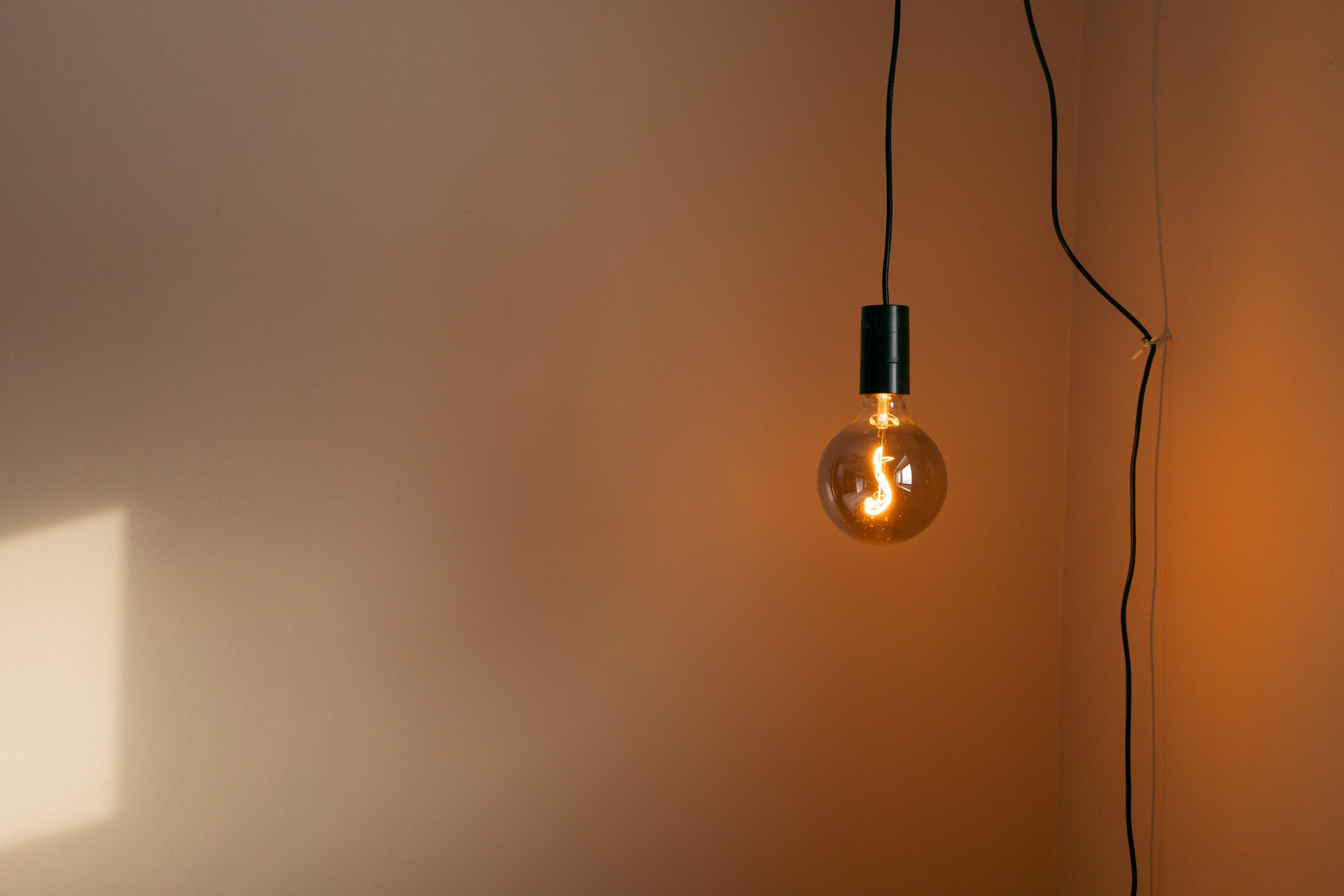
Light Sources and Lamps: Understanding Their Interaction for Optimal Home Lighting
Good lighting is about much more than simply being able to see clearly. It shapes the atmosphere, supports the function of each room, and even influences our mood and well-being. To achieve the best lighting in your home, it’s essential to understand how the light source and the lamp work together. These two elements complement each other – and it’s in their balance that truly comfortable and efficient lighting is created.
The Light Source – The Heart of Illumination
The light source is what actually produces the light. Today, there are many options, but LED bulbs have become the most common choice in Indian homes. They are energy-efficient, long-lasting, and available in a wide range of brightness levels and color tones.
When choosing a light source, three key factors are worth knowing:
- Brightness (lumens) – indicates how much light the bulb emits. More lumens mean brighter light.
- Color temperature (kelvin) – determines whether the light feels warm or cool. Warm white light (2700–3000 K) creates a cozy atmosphere, while cooler light (4000 K and above) is better for workspaces like kitchens or study areas.
- Color rendering (CRI) – shows how accurately colors appear under the light. A CRI of 80 or higher is generally suitable for home use.
By selecting the right combination of these characteristics, you can create the exact mood and functionality you want in each room.
The Lamp – Form, Function, and Direction
While the light source defines the quality of the light, the lamp shapes how that light is distributed. The lamp’s design, material, and shade type determine how light spreads and interacts with the space.
- Closed shades provide soft, diffused light, ideal for relaxing areas like bedrooms or living rooms.
- Open shades or lamps with reflectors direct light more precisely, making them perfect for task lighting in kitchens or study tables.
- Materials such as glass, metal, or fabric influence the character of the light. Glass diffuses it, metal reflects it, and fabric softens it.
Before choosing a lamp, think about its purpose. A beautiful lamp can quickly become impractical if it doesn’t provide the right kind of light for the space.
Læs også:
The Interaction Between Light Source and Lamp
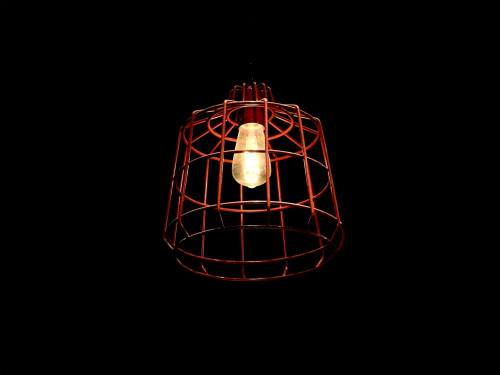
The best lighting results when the light source and lamp are chosen with each other in mind. A powerful LED bulb in a small, enclosed shade can cause glare, while a weak bulb in a large pendant may not provide enough illumination.
Think of the lamp as the frame and the light source as the artwork inside it – they must complement each other. To achieve balance, you can:
- Match the bulb’s brightness to the lamp’s size and placement.
- Use dimmable bulbs to adjust light levels according to time of day or activity.
- Choose color temperatures that suit the room’s function – warm light for living areas, cooler light for kitchens or study rooms.
Experimenting with different combinations can help you find a setup that works both practically and aesthetically.
Layering Light – Creating Depth and Flexibility
A well-lit home rarely relies on a single light source. The key is to combine multiple layers of light at different levels: ceiling lights, wall lamps, table lamps, and even indirect lighting behind furniture or along shelves.
- Ambient lighting provides general illumination for the whole room.
- Task lighting focuses on specific areas, such as reading corners or kitchen counters.
- Accent lighting adds warmth and highlights decorative elements.
Layering light adds depth and flexibility, allowing you to adjust the atmosphere easily depending on the time of day or the activity.
Energy Efficiency and Durability
LED technology has revolutionized home lighting by offering both quality and efficiency. An LED bulb uses up to 80% less electricity than a traditional incandescent bulb and lasts many times longer. This means lower electricity bills and less waste – an important consideration in India’s growing focus on sustainable living.
Choose high-quality products with good color rendering and long lifespan. While cheaper bulbs may seem attractive, they often produce poorer light and need replacement more frequently.
Create Your Own Lighting Universe
Lighting is an expression of your home’s personality. It’s not just about function but also about mood and aesthetics. By understanding how light sources and lamps interact, you can design a lighting environment that reflects your style – one that makes your home more comfortable, beautiful, and energy-efficient.
Læs også: