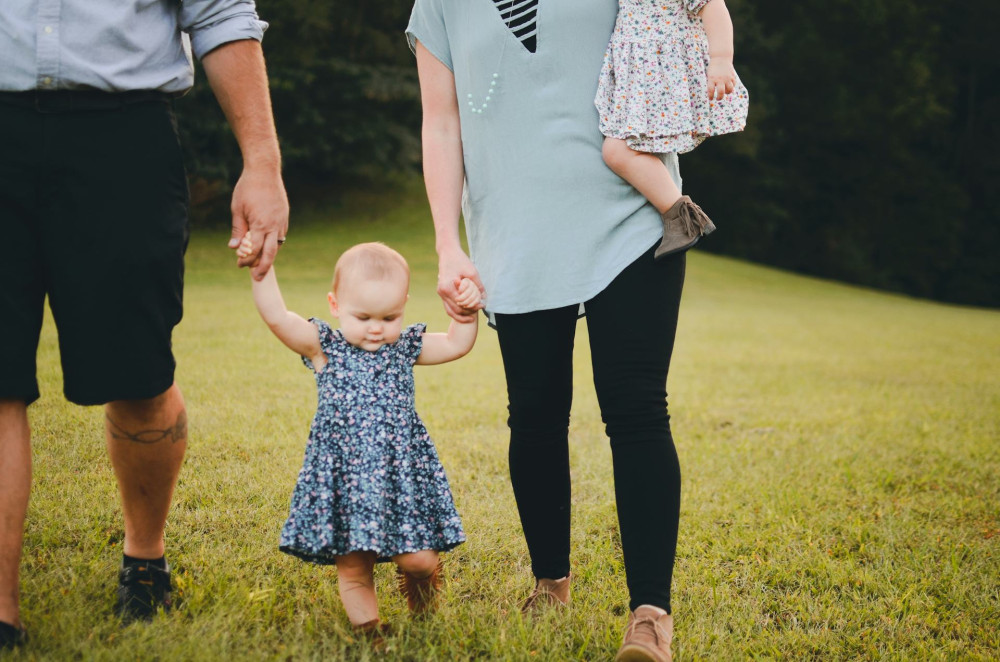
New family traditions that fit your everyday life and lifestyle


New family traditions that fit your everyday life and lifestyle
Family traditions don’t have to be limited to festivals, birthdays, or big celebrations. They can also be small, recurring rituals that bring structure, connection, and joy to everyday life. In a time when many Indian families balance demanding jobs, school schedules, and digital distractions, new traditions can help create calm and togetherness—without feeling like another task on the to-do list. Here’s how you can build family traditions that truly fit your lifestyle.
Start by looking at your daily routine
Before creating new traditions, take a moment to reflect on your family’s daily rhythm. When do you naturally spend time together? What moments feel peaceful, and which ones feel rushed? A tradition should feel meaningful and easy, not like an obligation.
Maybe your mornings are hectic, but evenings are calmer. Or perhaps weekends are your family’s time to slow down. The key is to find moments that allow you to connect without stress—whether it’s a shared breakfast, a weekly dinner, or a monthly outing.
Small rituals that strengthen bonds
Traditions don’t have to be grand to be meaningful. Often, it’s the small, repeated gestures that bring families closer.
- Morning moments: Begin the day with a shared cup of chai, a quick family prayer, or a few minutes of conversation before everyone heads out. It sets a positive tone for the day.
- Weekly dinner together: Choose one evening when everyone helps with cooking and setting the table. It could be “Sunday biryani night” or “Friday dosa dinner”—what matters is the consistency.
- Evening reflections: Before bedtime, take a few minutes to share one good thing that happened during the day. It helps both children and adults end the day with gratitude.
These small rituals don’t take much time, but they can make a big difference in how connected you feel as a family.
Læs også:




Traditions that follow the seasons and festivals
India’s rich calendar of seasons and festivals offers endless opportunities to create meaningful traditions. You can build on what already exists and make it your own.
- Spring: Celebrate Holi not just with colours, but with a family picnic or a day of planting flowers together.
- Summer: Plan a yearly mango day—try new mango recipes or visit a local fruit market together.
- Monsoon: Have a “rainy day movie night” with homemade snacks and cozy blankets.
- Winter: Create a tradition of making sweets or hosting a small family get-together during Diwali or Christmas.
By connecting your traditions to the seasons and festivals, you add variety and something to look forward to throughout the year.
Let children take part
When children help shape family traditions, they feel more involved and excited. Ask them what they enjoy most about family time and let them suggest ideas. Maybe they’d love a “family game night,” a “Sunday pancake breakfast,” or a “no-screen evening” once a week.
The goal isn’t perfection—it’s to create something that feels like your own. When children see their ideas valued, it strengthens both their confidence and the family bond.
Traditions for modern Indian families
Many families today have busy schedules, long commutes, or members living in different cities. That’s why flexible traditions work best. Instead of fixed days, think of repeatable moments that can adapt to your week.
For example, you could have a “family evening” once a week, but let the day change depending on everyone’s availability. Or plan a “monthly outing” where each family member takes turns choosing the destination—whether it’s a local café, a heritage site, or a nature walk.
This flexibility keeps traditions alive and enjoyable, rather than stressful.
Create meaning, not just habits
A tradition becomes meaningful when it serves a purpose—whether it’s to connect, celebrate, or simply enjoy time together. Think about what your family needs more of: laughter, calm, creativity, or conversation. Let that guide the traditions you create.
And remember, it’s okay to change or let go of traditions that no longer fit your life. Families evolve, and so should their rituals.
New traditions that last
The best family traditions are the ones that feel natural and bring joy—not the ones you feel pressured to maintain. Start small, stay flexible, and let your traditions grow with you. What matters most isn’t how often you do them, but that you do them together.
When you find your own rhythm and rituals, you’re not just creating happy moments—you’re building memories that will stay with your children for years to come, and maybe even inspire the next generation of family traditions.
Læs også: