Rats in the Sewers? How to Handle the Problem Safely and Effectively

Rats in the Sewers? How to Handle the Problem Safely and Effectively
Rats in the sewers are a growing concern in many Indian cities and towns. They can damage drainage systems, spread diseases such as leptospirosis and salmonella, and even find their way into homes through broken pipes or open drains. But with the right knowledge and preventive steps, you can manage the problem safely and effectively. Here’s a guide to help you identify, prevent, and deal with sewer rats in a responsible way.
How to Spot Signs of Rats
Rats are nocturnal and usually stay hidden, but they leave behind clear evidence of their presence. Watch out for these signs:
- Scratching or squeaking sounds from drains, walls, or ceilings, especially at night.
- Burrows or holes near manholes, compound walls, or around drain openings.
- Rat droppings – small, dark pellets often found near garbage areas or drain covers.
- A strong, musky smell – caused by rat urine and nesting materials.
- Gnaw marks or damaged pipes – rats can chew through plastic and weak concrete joints.
If you notice one or more of these signs, act quickly. The sooner you respond, the easier it is to control the infestation.
What to Do First
If you suspect rats in your sewer or drainage system, avoid handling the problem on your own. In India, most municipal corporations have pest control departments or helplines where you can report rodent infestations. Contact your local municipal office or health department to request inspection and treatment.
Avoid pouring chemicals or poisons into drains. These can harm the environment, contaminate water, and may not reach the rats effectively. Instead, focus on keeping the area clean and sealed until professionals arrive.
Læs også:
Preventing Rats in the Sewers
Prevention is the most effective way to keep rats away. Here are some key steps you can take:
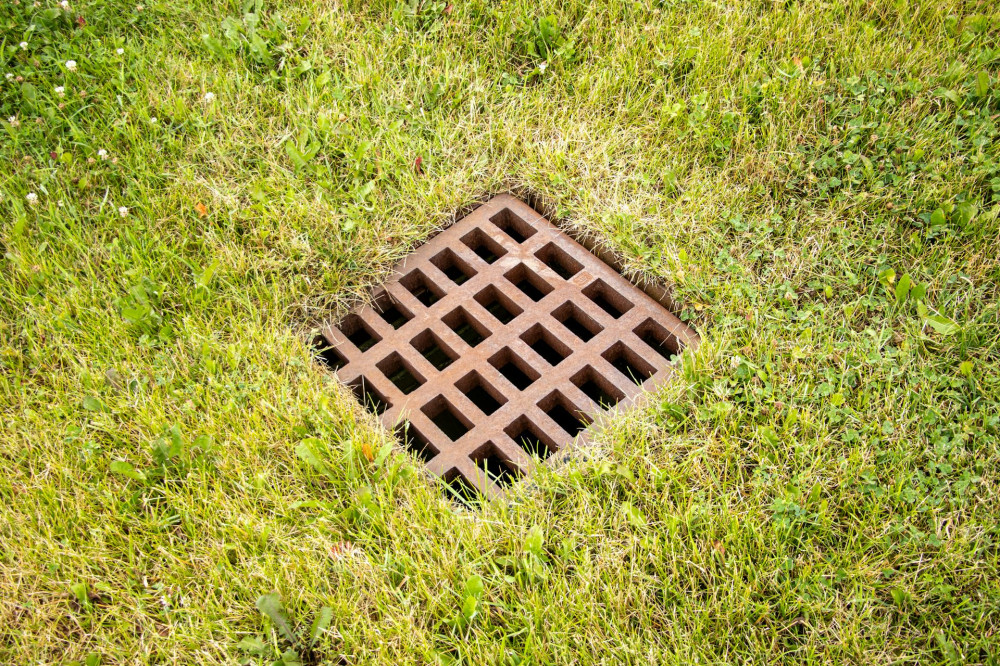
- Seal entry points. Make sure drain covers, manholes, and pipe joints are intact and tightly fitted.
- Install a rat guard or flap valve in your drainage line. These devices prevent rats from moving up from the main sewer into your property.
- Maintain your drainage system. Have a plumber or drainage expert inspect for cracks, leaks, or blockages that could attract rats.
- Dispose of waste properly. Never throw food scraps, oil, or leftovers into the sink or open drains. These attract rats and other pests.
- Keep surroundings clean. Remove piles of garbage, unused materials, and overgrown vegetation near your home. Clutter provides shelter for rats.
- Store food securely. Keep grains, pet food, and other edibles in sealed containers.
If Rats Enter the House
If rats have already made their way indoors, act immediately. Close all visible holes around pipes, drains, and walls using metal mesh or cement. Avoid using plastic or wood, as rats can easily chew through them.
Do not use poison without guidance. Dead rats trapped inside walls or drains can cause foul odours and attract insects. Instead, contact a licensed pest control service. They can safely set traps or use approved rodenticides in a controlled manner.
When to Call a Professional
If you experience repeated rat problems or suspect damage to underground pipes, it’s time to call a plumber or drainage specialist. With modern inspection tools like drain cameras, they can locate cracks or entry points that allow rats to enter. Repairing these defects is essential for long-term control.
Some home insurance policies or housing societies may cover pest control or drainage repairs, so check your options before starting major work.
Long-Term Safety Through Maintenance
Rats in the sewers are not just a nuisance—they are a public health risk. However, they can be managed effectively through regular maintenance, proper waste disposal, and quick action when signs appear.
Think of your drainage system as part of your home’s health. Keeping it clean and well-maintained protects not only your property but also your family’s safety. A little attention today can prevent a much bigger problem tomorrow.
Læs også: