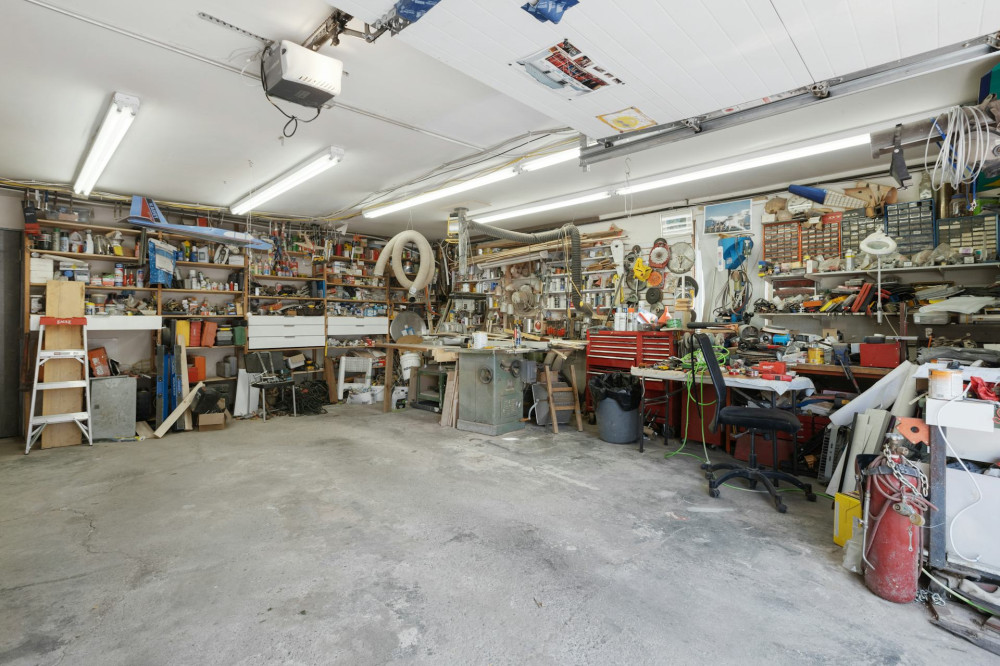
Small improvements in the workshop – plan them continuously


Small improvements in the workshop – plan them continuously
A workshop is never truly finished. There is always something that can be made more efficient, more comfortable, or simply more pleasant to work in. Instead of waiting for a big renovation, it pays to think in terms of small, continuous improvements. This approach keeps the work manageable and ensures that your workshop evolves along with your needs.
Start by observing your daily routine
The best improvements come from everyday experience. Notice where you often run out of space, light, or order. Maybe your tools are too far from your workbench, or perhaps the screws and nails are always mixed up. Pay attention to these small frustrations – they are clues to where you can make meaningful changes.
Keep a small notebook or a whiteboard in your workshop to jot down ideas as they come. This way, improvements become a natural part of your routine rather than something you only think about when something breaks.
Prioritise small projects
Once you have a list of ideas, pick a few that can be completed in an afternoon. It could be adding a shelf, improving lighting above your bench, or building a simple rack for your screwdrivers. Small projects deliver quick results and motivate you to keep going.
You can also group your ideas into categories such as organisation, lighting, workflow, and safety. This helps you see where your efforts will have the greatest impact.
Keep things organised with simple solutions
A tidy workshop saves both time and frustration. Consider:
- Installing pegboards on the wall so tools are visible and easy to reach.
- Using transparent boxes for small items like screws, bolts, and washers.
- Labelling everything, so you can find what you need instantly.
- Assigning fixed places for your most-used tools.
Once you have a system, it becomes easier to maintain order – and you’ll quickly notice if something isn’t working as intended.
Lighting and workflow make a big difference
Good lighting is one of the most underrated improvements in any workshop. A few extra LED fixtures above your workbench can make a huge difference in both precision and comfort. Try to position lights so that shadows don’t fall where you’re working.
Also, think about your workflow: How do you move around the space? Do you have to cross the room repeatedly to fetch tools or materials? Small adjustments in the placement of tables, machines, and storage can save time and make your work more fluid.
Læs også:



Make maintenance part of your routine
A workshop needs regular care – both for the tools and the space itself. Set aside time a few times a year to:
- Lubricate machines and moving parts.
- Clean dust and debris from corners and filters.
- Check electrical connections and extension cords.
- Discard broken or unnecessary items.
By making maintenance a habit, you prevent problems from piling up and keep your workspace safe and efficient.
Add a touch of comfort and personality
For many people, the workshop is not just a workspace but a place to relax and create. So, improvements should also include comfort. Hang a favourite photo, place a mat in front of your workbench, or set up a small speaker for music. These small touches make the space more inviting and enjoyable to spend time in.
When you plan improvements continuously, your workshop becomes a living project that grows with you. It’s not about reaching a final goal, but about creating a space that evolves alongside your skills, interests, and creativity.
Læs også: