Understanding Appliance Energy Consumption as Part of the Bigger Picture

Understanding Appliance Energy Consumption as Part of the Bigger Picture
When we think about energy use at home, our minds often go to the electricity bill or the air conditioner. But a large share of household energy consumption comes from everyday appliances – refrigerators, washing machines, water heaters, and fans. These devices run for hours each day, and together they make up a significant portion of our total electricity use. Understanding how they consume energy is key to managing both household expenses and environmental impact. But energy consumption is not just about the numbers on a label – it’s also about habits, maintenance, and how everything fits into the bigger energy picture.
Energy labels – a useful guide, but not the full story
In India, the Bureau of Energy Efficiency (BEE) star rating helps consumers identify how energy-efficient an appliance is. A 5-star refrigerator or air conditioner uses less electricity than a 2-star model, making it a good starting point when choosing new equipment. However, the label alone doesn’t tell the whole story.
A large 5-star refrigerator may still consume more power than a smaller 3-star one simply because of its size and features. Similarly, an inverter air conditioner can save energy only if it’s used correctly and sized appropriately for the room. So, when buying new appliances, it’s important to balance efficiency ratings with your actual needs. Buying bigger or more advanced equipment than necessary can quickly offset the expected savings.
Everyday habits matter more than many realise
Even the most efficient appliance can waste energy if used carelessly. Small changes in daily routines can make a big difference:
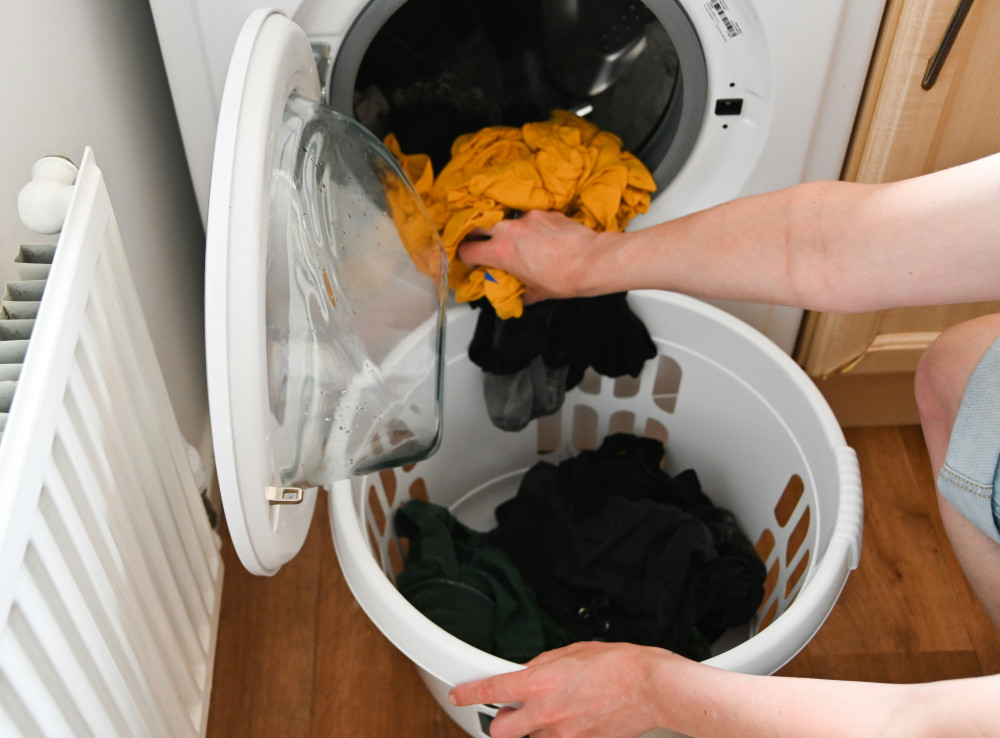
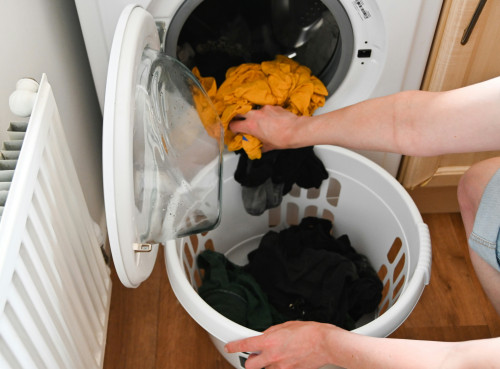
- Run full loads – washing machines and dishwashers use nearly the same amount of energy whether half or fully loaded.
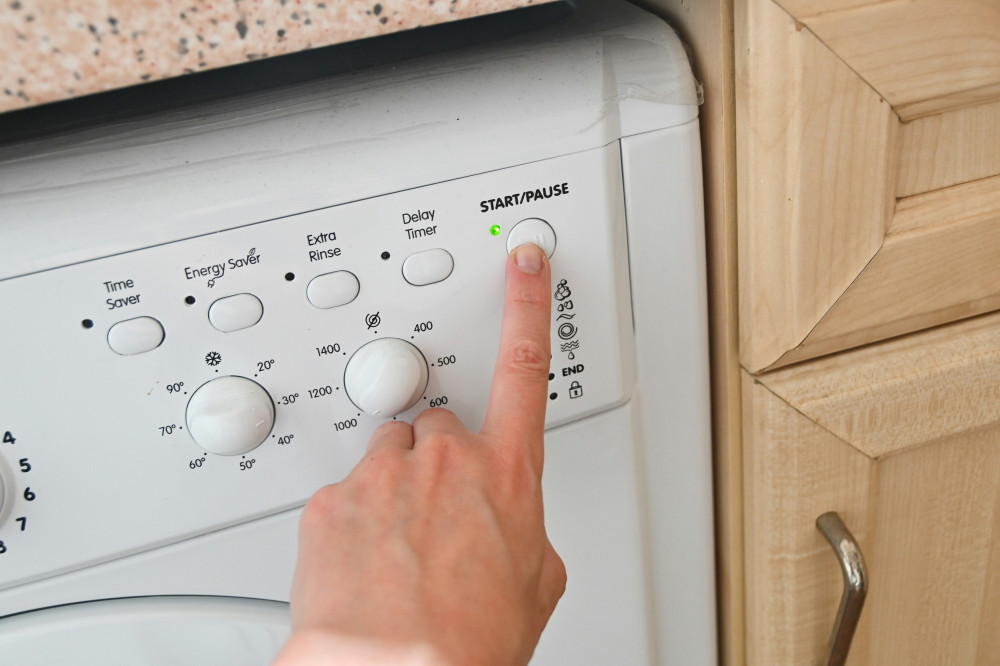
- Use lower temperatures – washing clothes in cold or warm water instead of hot can save significant energy.
- Air-dry clothes – electric dryers consume a lot of power; India’s climate often allows for natural drying.
- Switch off completely – many appliances draw standby power even when not in use.
- Keep refrigerators clean and well-ventilated – dust on coils or poor airflow increases energy use.
These small adjustments cost nothing but can reduce your electricity bill and carbon footprint noticeably.
Maintenance extends life and saves energy
A well-maintained appliance runs more efficiently and lasts longer. Clean filters in air conditioners and washing machines, descale water heaters, and ensure proper ventilation around refrigerators. For example, an air conditioner with a clogged filter has to work harder to cool the room, consuming more electricity.
Older appliances often lose efficiency over time. Replacing a 15-year-old refrigerator or ceiling fan with a modern, energy-efficient model can cut power use by half. Though the upfront cost may seem high, the savings on electricity bills often make up for it within a few years.
Læs også:
Think holistically – energy use in context
Household energy consumption should be viewed as part of a larger system. Buying efficient appliances helps, but it’s even more effective when combined with other measures – such as improving home insulation, using LED lighting, and sourcing renewable energy.
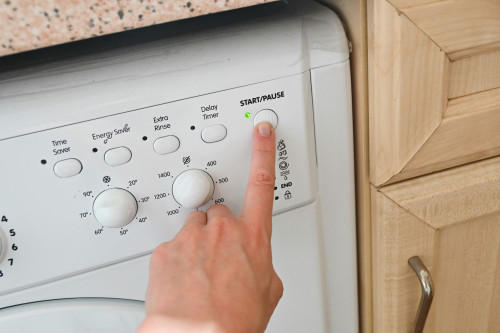
If you have rooftop solar panels, you can schedule washing or ironing during the day to use solar power directly. Smart plugs and timers can help manage when appliances run, reducing load during peak hours and taking advantage of cheaper or cleaner electricity. Thinking in terms of the whole system – not just individual devices – leads to greater savings and sustainability.
The future of appliances – smarter and greener
Technology is evolving rapidly. New appliances are not only more energy-efficient but also smarter. Many can connect to mobile apps, monitor usage, and adjust operation based on electricity supply or tariffs. In the near future, smart grids and connected homes will allow appliances to automatically run when renewable energy is most available.
Still, technology alone cannot solve the problem. Our behaviour remains the deciding factor. The most sustainable energy is the energy we don’t use.
Seeing the bigger picture
Understanding appliance energy consumption as part of the bigger picture means recognising the link between technology, habits, and energy sources. When you choose, use, and maintain your appliances thoughtfully, you’re not just lowering your electricity bill – you’re contributing to a more sustainable future for your home and for India’s growing energy landscape.
It’s the sum of small, consistent choices that makes the biggest difference.
Læs også: