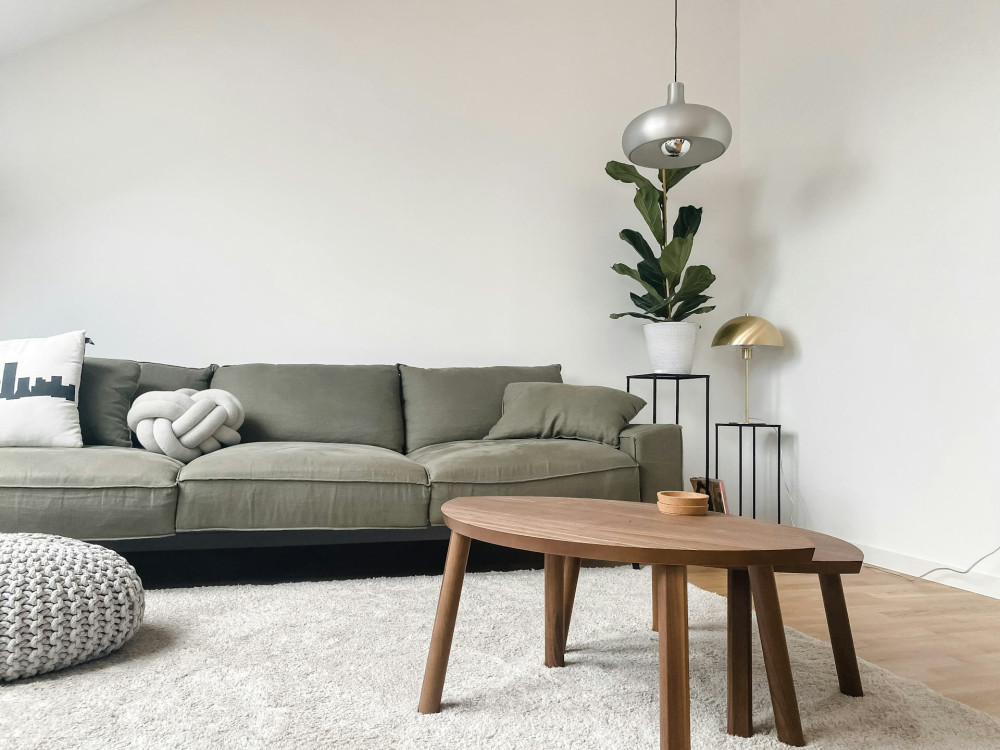
Ventilation – your best ally against mould and dampness


Ventilation – your best ally against mould and dampness
A healthy home is not just about cleanliness or temperature – it’s also about the air you breathe. Without proper ventilation, moisture and indoor pollutants can quickly build up, leading to mould, unpleasant odours, and even health problems. Fortunately, with a few simple habits and, if needed, a ventilation system, you can keep your indoor air fresh and your home free from dampness. Here’s a guide to why ventilation matters and how to maintain a healthy indoor environment in India’s varied climate.
Why ventilation is so important
Everyday activities like cooking, bathing, and even breathing release moisture into the air. In a typical household, several litres of water vapour can be produced daily. If this moisture isn’t removed, it settles on walls, ceilings, and windows – creating the perfect conditions for mould growth.
Mould spores are naturally present in the air, but they thrive when humidity levels are high. Ventilation is your best defence: it removes humid air and replaces it with fresh, drier air, preventing moisture from accumulating.
Signs of poor ventilation
It’s not always easy to notice when your home isn’t getting enough fresh air. Here are some common warning signs:
- Condensation on windows, especially in the mornings.
- A musty or stale smell that lingers.
- Dark patches or mould spots on walls, ceilings, or behind furniture.
- Frequent headaches or irritation in the eyes and throat.
If you notice several of these signs, it’s time to improve air circulation.
Læs også:
How to ventilate effectively
The simplest and most affordable way to ventilate is by opening windows – but doing it correctly makes all the difference.
- Open windows two to three times a day for 5–10 minutes to create cross-ventilation. This quickly replaces indoor air without letting too much heat or cool air escape.
- Use exhaust fans in kitchens and bathrooms to remove steam and cooking fumes.
- Keep interior doors open when possible to allow air to flow freely between rooms.
- Clean air vents and fans regularly to prevent dust buildup that can block airflow.
In humid regions or during the monsoon, avoid keeping windows open for long periods when the outdoor air is damp – it can make indoor humidity worse.
Mechanical ventilation – a modern solution
In newer, tightly sealed homes or apartments, natural ventilation may not be enough. A mechanical ventilation system or dehumidifier can help maintain balanced humidity levels. These systems continuously exchange indoor and outdoor air, and some models even recover energy from the outgoing air to save electricity.
Regular maintenance is essential: filters should be cleaned or replaced every few months, and ducts should be inspected periodically. The result is a stable, healthy indoor climate without the need for constant manual airing.
Preventing dampness in problem areas
Certain rooms are more prone to moisture than others. Pay special attention to these spaces:
- Bathroom: Ensure the exhaust fan works properly and let it run for a few minutes after each shower.
- Kitchen: Always use the chimney or exhaust fan while cooking, especially when boiling or frying.
- Bedroom: Air out the room every morning and avoid placing large furniture directly against exterior walls.
- Basement or ground floor rooms: Keep them dry with a dehumidifier or moisture absorber, and check for leaks during the rainy season.
Small changes in daily habits can make a big difference in controlling indoor humidity.
A healthy home pays off
Good ventilation is not just about preventing mould – it’s about overall well-being. Fresh air improves sleep, concentration, and comfort, while reducing allergies and respiratory issues. At the same time, it protects your home from costly moisture damage.
By combining regular airing, proper use of exhaust fans, and, if needed, a mechanical ventilation system, you can create a home that feels fresh, smells clean, and stays healthy all year round – no matter the season.
Læs også: