Teach Children About Nature’s Cycles Through Small Gardening Projects

Teach Children About Nature’s Cycles Through Small Gardening Projects
Helping children understand nature’s cycles is one of the most valuable lessons we can give them. When they see how seeds sprout, plants grow, wither, and return to the soil, they begin to grasp how everything in nature is connected. Small gardening projects are a wonderful way to make this learning hands-on and joyful. Here are some ideas for Indian families to explore nature’s rhythms right at home — whether in a backyard, on a terrace, or even on a sunny balcony.
Begin with the Soil – The Foundation of Life
Everything starts with the soil. It may look simple, but it’s full of life. Encourage children to dig a little patch of earth and observe what they find — earthworms, ants, beetles, or tiny roots. Explain how these creatures help break down leaves and organic matter, turning it into rich, fertile soil.
A great project is to create a compost bin. Use an old bucket or clay pot, and fill it with vegetable peels, dry leaves, and a bit of soil. Over time, children can watch how waste transforms into dark, crumbly compost — nature’s own recycling system. In India’s warm climate, composting happens quickly, making it easy for kids to see results within weeks.
Sow Seeds and Watch Life Unfold
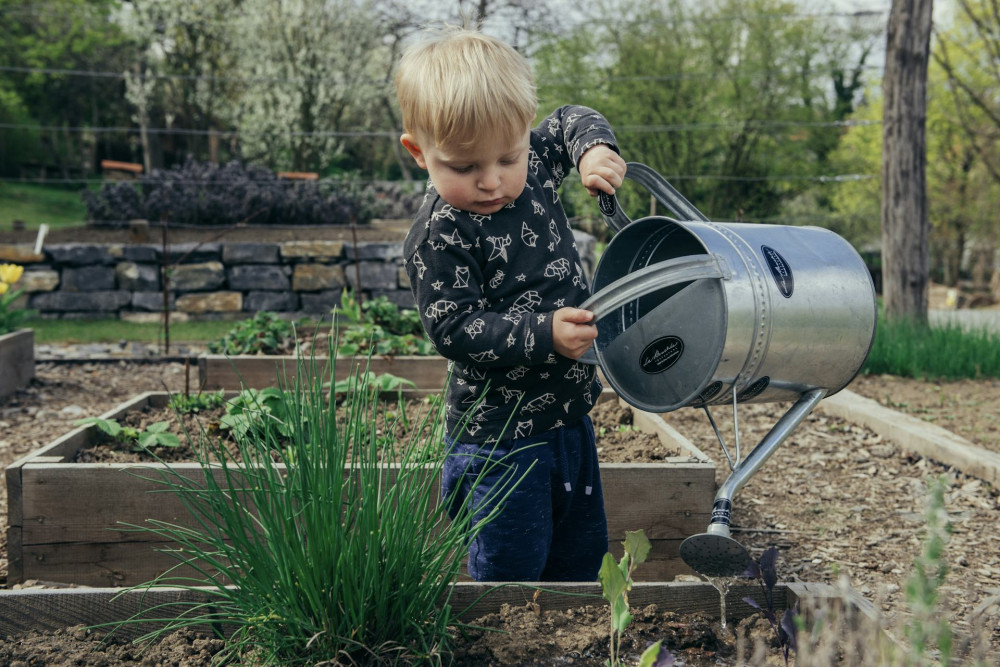
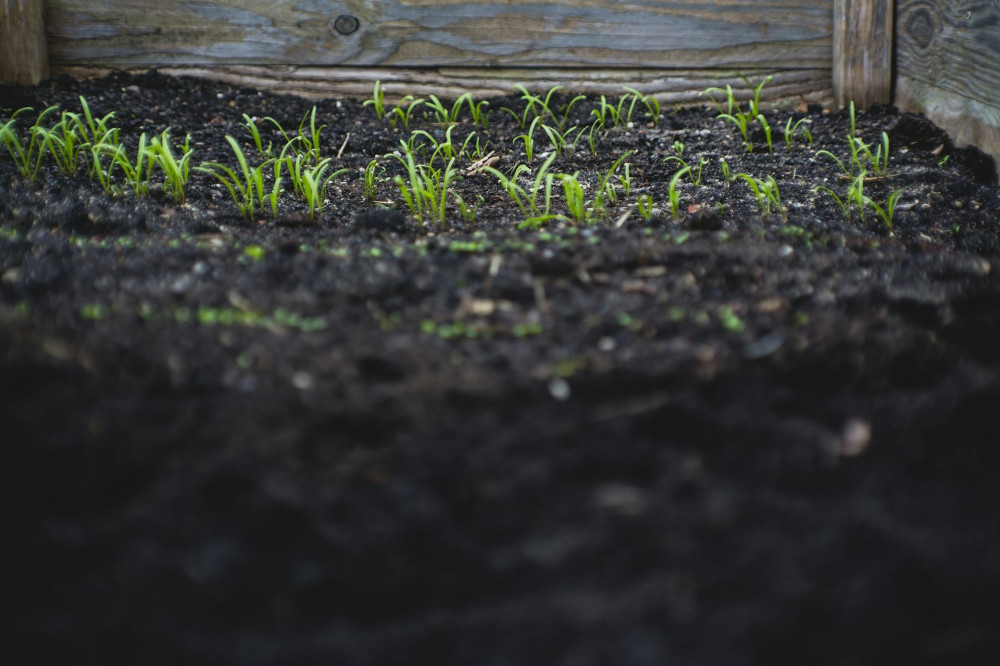
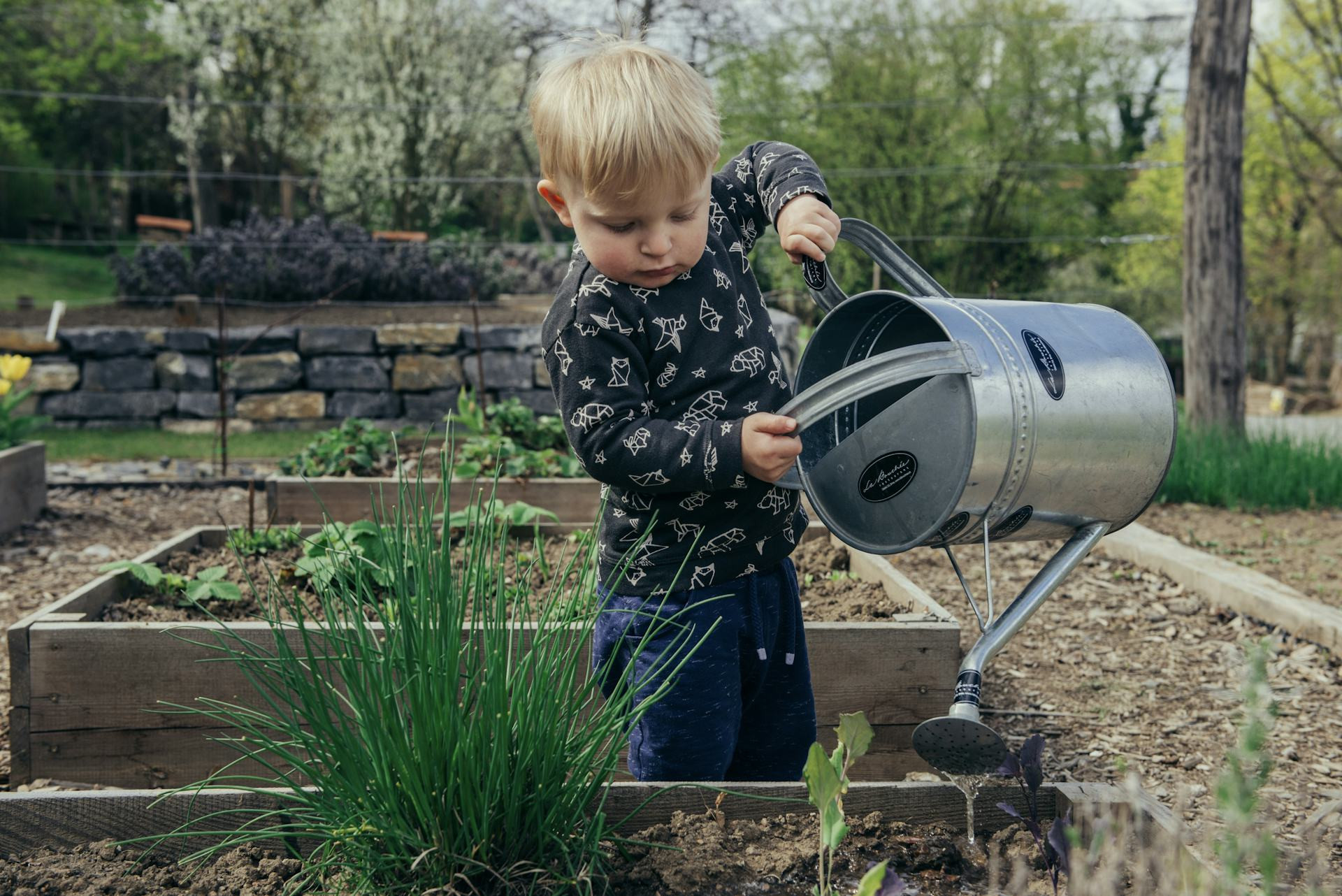
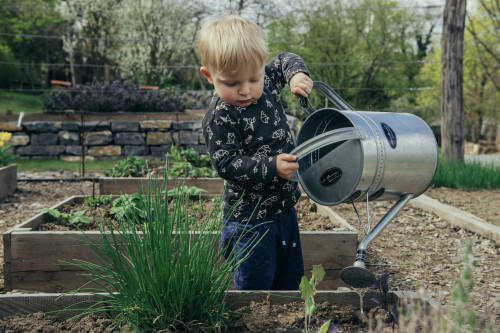
Sowing seeds is a simple yet powerful way to teach about growth and renewal. Choose fast-growing plants like coriander, spinach, or marigolds — all well-suited to Indian weather. Let children water the seeds daily and observe how roots grow downward while shoots reach for the sun.
To deepen their understanding, let some plants complete their full life cycle. When flowers dry and form seeds, show children how these can be collected and planted again. This helps them see the endless circle of life — from seed to plant and back to seed.
Explore the Water Cycle
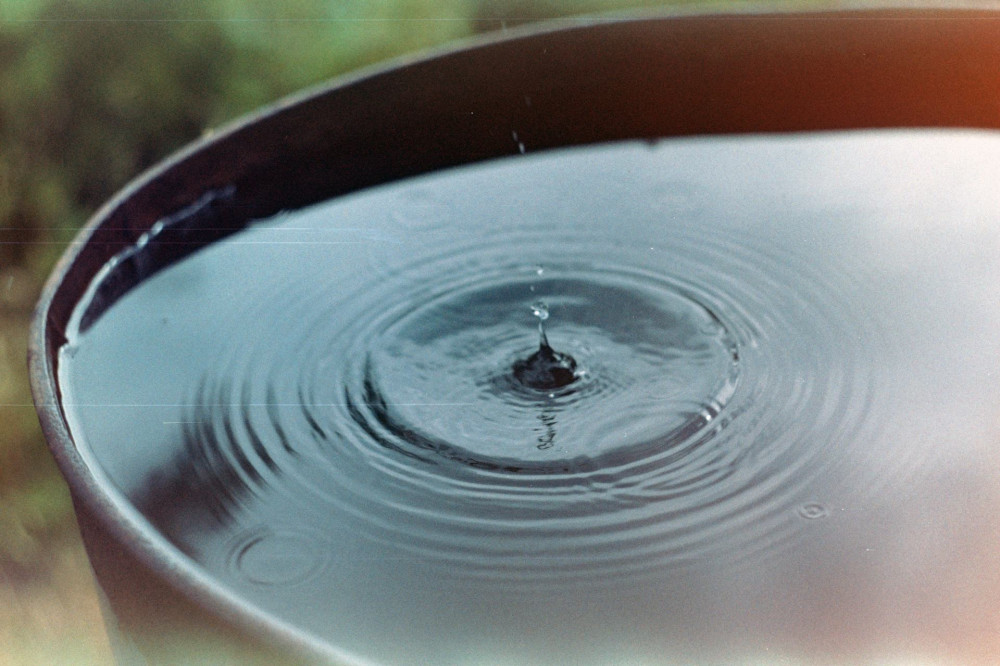
Water is at the heart of all natural cycles. Set up a rainwater collection project during the monsoon. Place a clean container outside to catch rainwater, and use it later to water plants. Talk about how rain, evaporation, and clouds are all part of the same system that sustains life.
You can also make a mini water cycle in a glass jar. Put a little moist soil and a small plant inside, close the lid, and place it in sunlight. Soon, children will notice droplets forming on the glass and falling back down — just like rainfall in nature.
Create a Mini Ecosystem
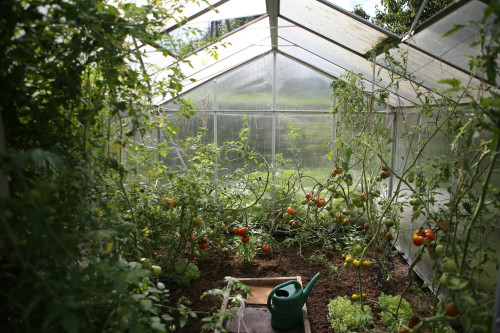
Even a small space can become a thriving ecosystem. Use a pot, a trough, or a corner of the garden to plant a mix of herbs, flowers, and small shrubs. Over time, butterflies, bees, and ladybugs will visit. Explain how each living thing has a role — bees pollinate, worms loosen the soil, and plants provide oxygen.
If you have space, build a bug hotel using bamboo sticks, coconut shells, and bits of wood. It will attract beneficial insects and give children a chance to observe how different species find shelter and contribute to the garden’s balance.
Harvest, Taste, and Give Back
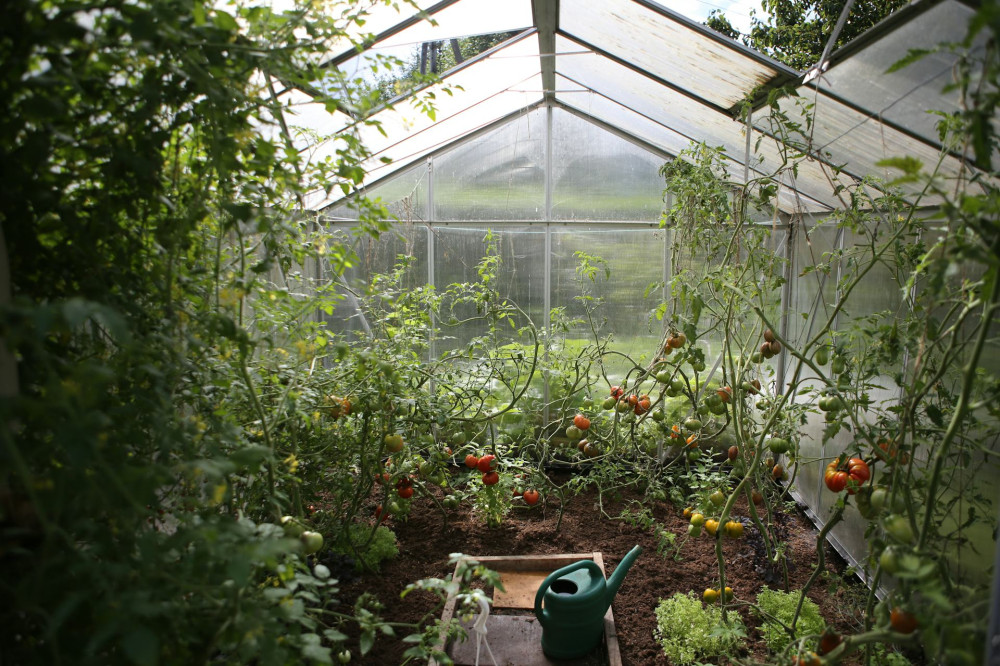
When the plants are ready, let children harvest what they’ve grown — a handful of mint leaves, a few tomatoes, or some okra. Tasting their own produce gives them a real sense of connection to the food they eat. Talk about how we can give back to nature by saving seeds, composting plant waste, and leaving some flowers for pollinators.
Through these small acts, children learn that nothing in nature goes to waste — everything returns to the cycle of life.
Læs også:

Make Learning Playful
Children learn best through play. Turn gardening into a game: “Find five insects in the garden,” or “Guess which plant will grow tallest.” Keep a small notebook for drawings, notes, and weekly observations. This not only builds curiosity but also helps children develop patience and care for living things.
A Gift That Grows Over Time
Teaching children about nature’s cycles is more than a science lesson — it’s a way to nurture respect for the environment and awareness of how all life is interconnected. Small gardening projects can spark a lifelong love for nature, sustainability, and mindful living.
And as you watch your children discover the wonders of growth and renewal, you may find yourself rediscovering the magic of nature too.
Læs også: