The best location for your kitchen garden – how to get sunlight, shelter, and good soil

The best location for your kitchen garden – how to get sunlight, shelter, and good soil
A well-placed kitchen garden is the secret to healthy plants, generous harvests, and the joy of growing your own food. Whether you dream of fresh coriander, juicy tomatoes, or crisp okra, success begins with choosing the right spot. Here’s a guide to finding the best location for your kitchen garden in India – with a focus on sunlight, shelter, and soil quality.
Sunlight – the energy behind growth
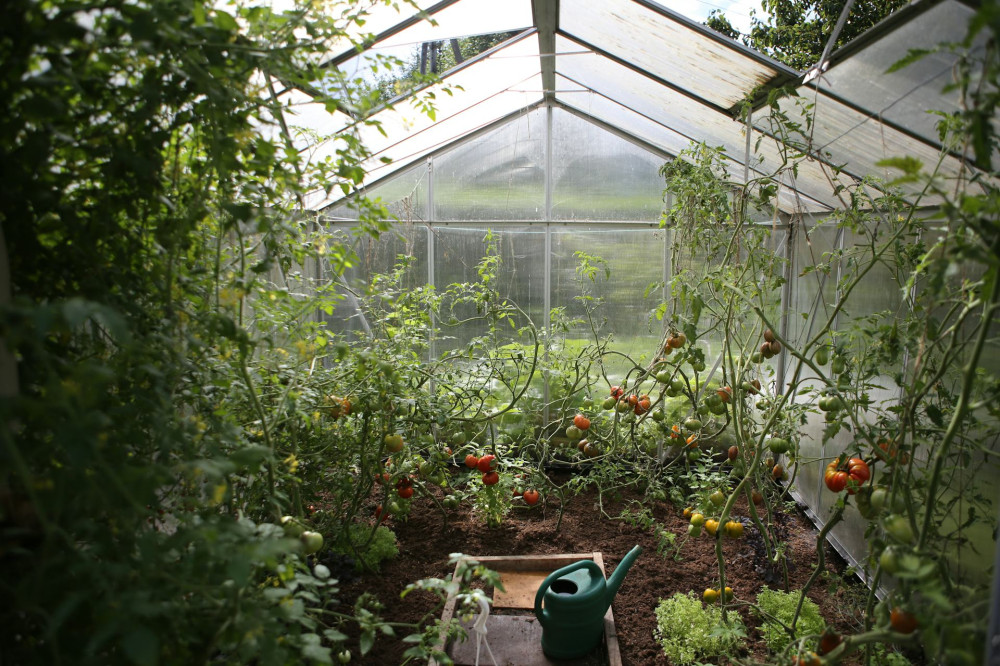
Most vegetables and herbs love the sun. As a rule of thumb, your kitchen garden should receive at least 6–8 hours of direct sunlight each day. Sunlight fuels photosynthesis, helps plants grow strong, and enhances the flavour and colour of your produce.
- South- or west-facing areas are ideal, as they get the most sunlight during the day.
- Avoid shade from tall buildings, trees, or boundary walls, especially in the morning when plants need warmth after the cool night.
- In very hot regions, such as Rajasthan or Telangana, consider partial shade during the harsh afternoon hours to prevent wilting. You can use shade nets or plant taller crops like maize or sunflowers to protect delicate greens.
If your garden gets limited sunlight, don’t worry. You can still grow shade-tolerant plants such as spinach, lettuce, mint, and coriander, which thrive even with 4–5 hours of light.
Læs også:

Shelter – protection from wind and heat
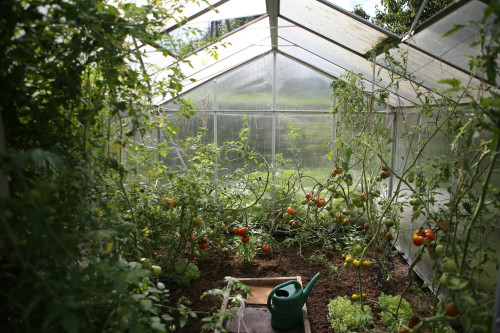
Wind and extreme heat can stress your plants, dry out the soil, and damage tender stems. Providing shelter helps create a stable microclimate where your vegetables can thrive.
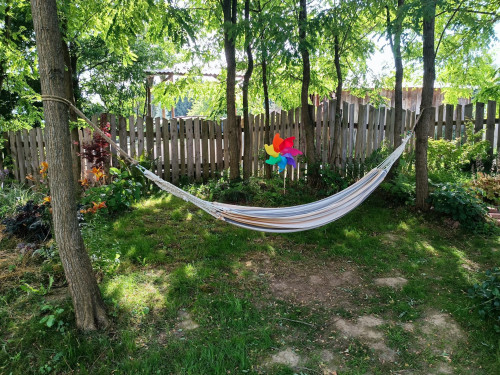
- Natural barriers like hedges, bamboo fences, or rows of shrubs can reduce wind speed without blocking airflow completely.
- Use living fences of lemongrass, marigold, or hibiscus – they not only protect your garden but also attract pollinators and repel pests.
- Avoid solid walls right next to your beds, as they can trap heat and reduce air circulation.
In coastal or high-wind areas, observe the direction of the prevailing wind and plan your beds accordingly. A little protection goes a long way in keeping your plants healthy.
Soil quality – the foundation of everything
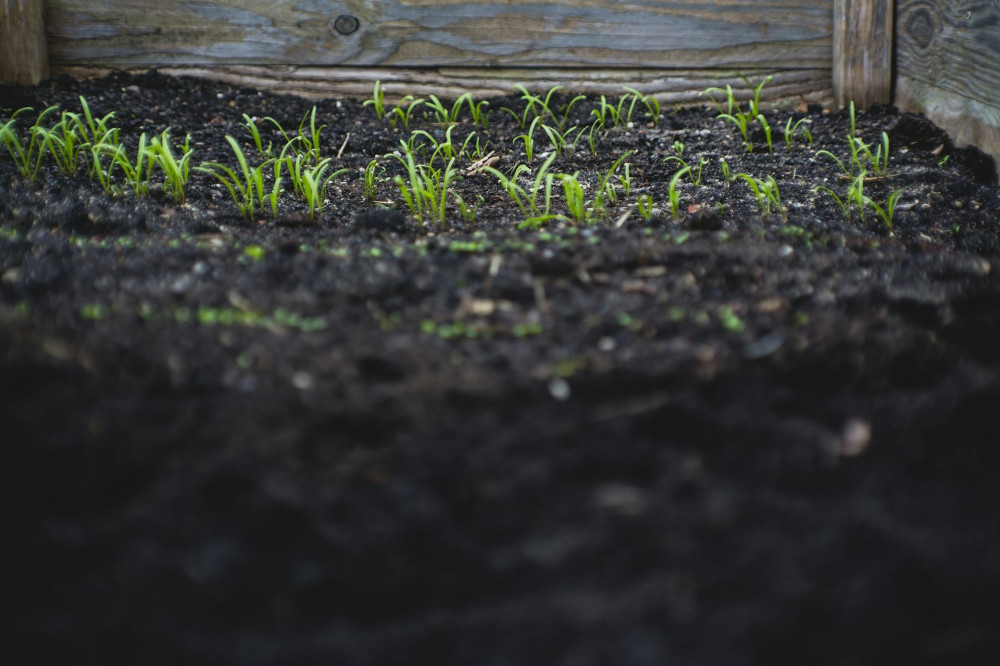
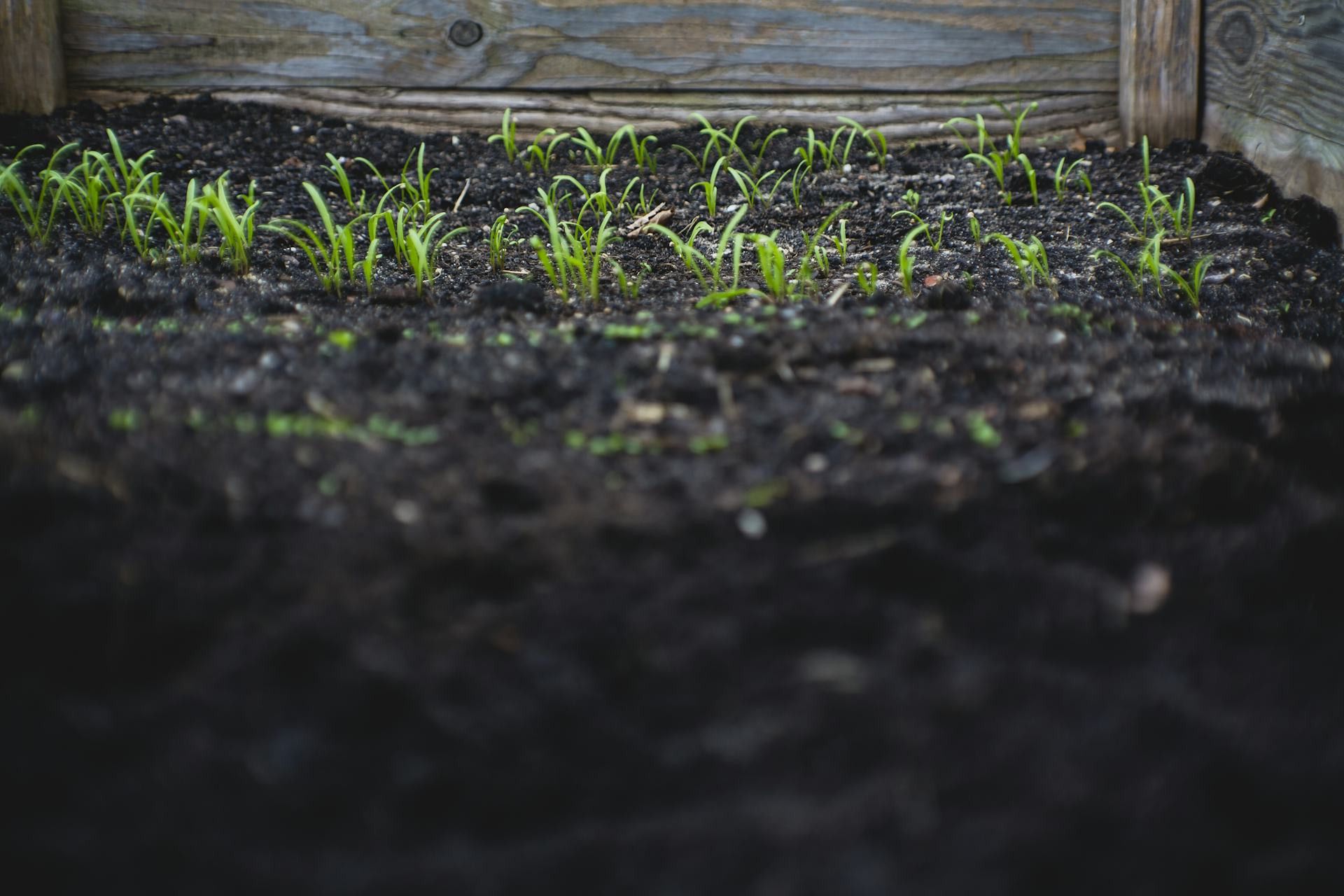
Even the best sunlight and shelter won’t help if your soil is poor. Good kitchen garden soil should be rich, well-drained, and full of life.
- Test your soil by taking a handful and squeezing it. If it crumbles easily and feels slightly moist, it’s in good condition.
- Clay soil, common in many parts of India, can be improved with compost, sand, and dry leaves to make it lighter and better drained.
- Sandy soil, often found in coastal areas, needs plenty of organic matter to retain moisture and nutrients.
- Avoid low-lying spots where water collects during the monsoon – they can cause root rot and fungal problems.
Adding compost or cow dung manure regularly keeps the soil fertile and supports beneficial organisms like earthworms. If your ground soil is difficult to work with, consider raised beds or containers, which are easier to manage and warm up faster in early spring.
Practical considerations
A kitchen garden should be productive but also easy to maintain. Choose a location that makes daily care convenient.
- Close to the house means you’ll water, weed, and harvest more often.
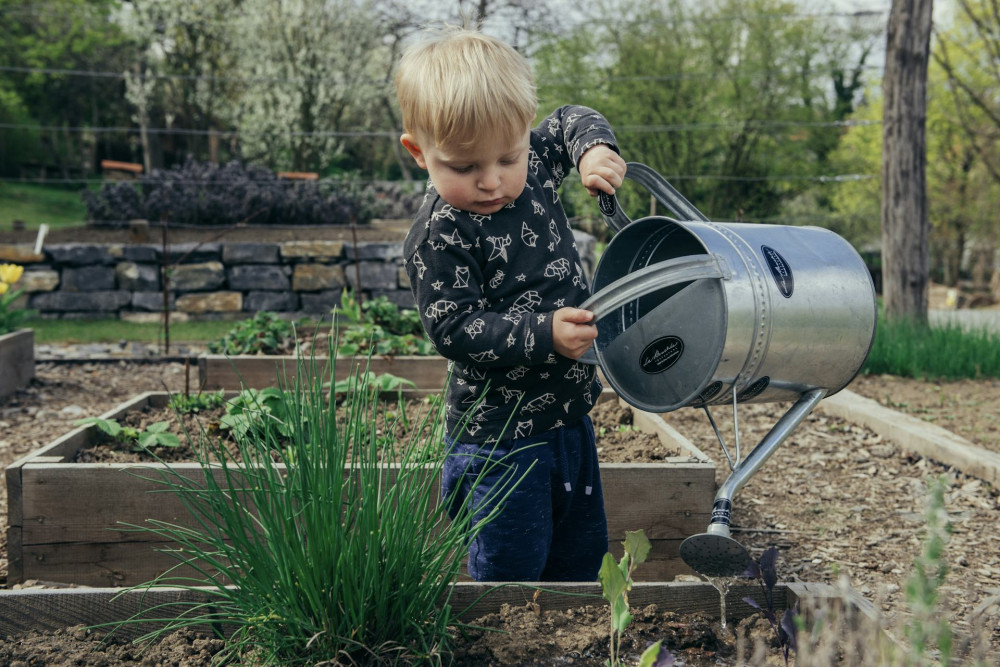
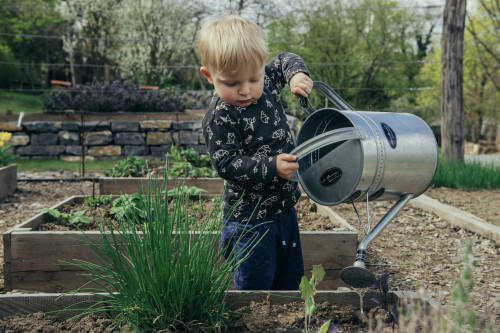
- Access to water is essential, especially during dry months. A nearby tap or drip irrigation system saves time and effort.
- Paths between beds make it easier to move around without compacting the soil.
If you have space, divide your garden into sections – one for vegetables, one for herbs, and one for flowers or pollinator plants. This helps with crop rotation and keeps the garden organized.
Work with nature
The best garden design respects the rhythm of nature. Observe your space through the seasons – notice where the sun rises and sets, where rainwater collects, and which areas dry out quickly. Use this knowledge to plan your beds and watering schedule.
By understanding your garden as a small ecosystem, you can create a space that thrives with minimal effort and rewards you with fresh, homegrown food all year round.
The best location is the one you learn to know
There’s no single perfect formula for the ideal kitchen garden spot. Every home and climate zone in India is different – from the humid coasts to the dry plains and cool hills. Start small, experiment, and adjust as you go. With sunlight, shelter, and good soil as your foundation, you’re already on your way to a thriving and delicious kitchen garden.
Læs også: