Childproof Electrical Sockets – How They Work

Childproof Electrical Sockets – How They Work
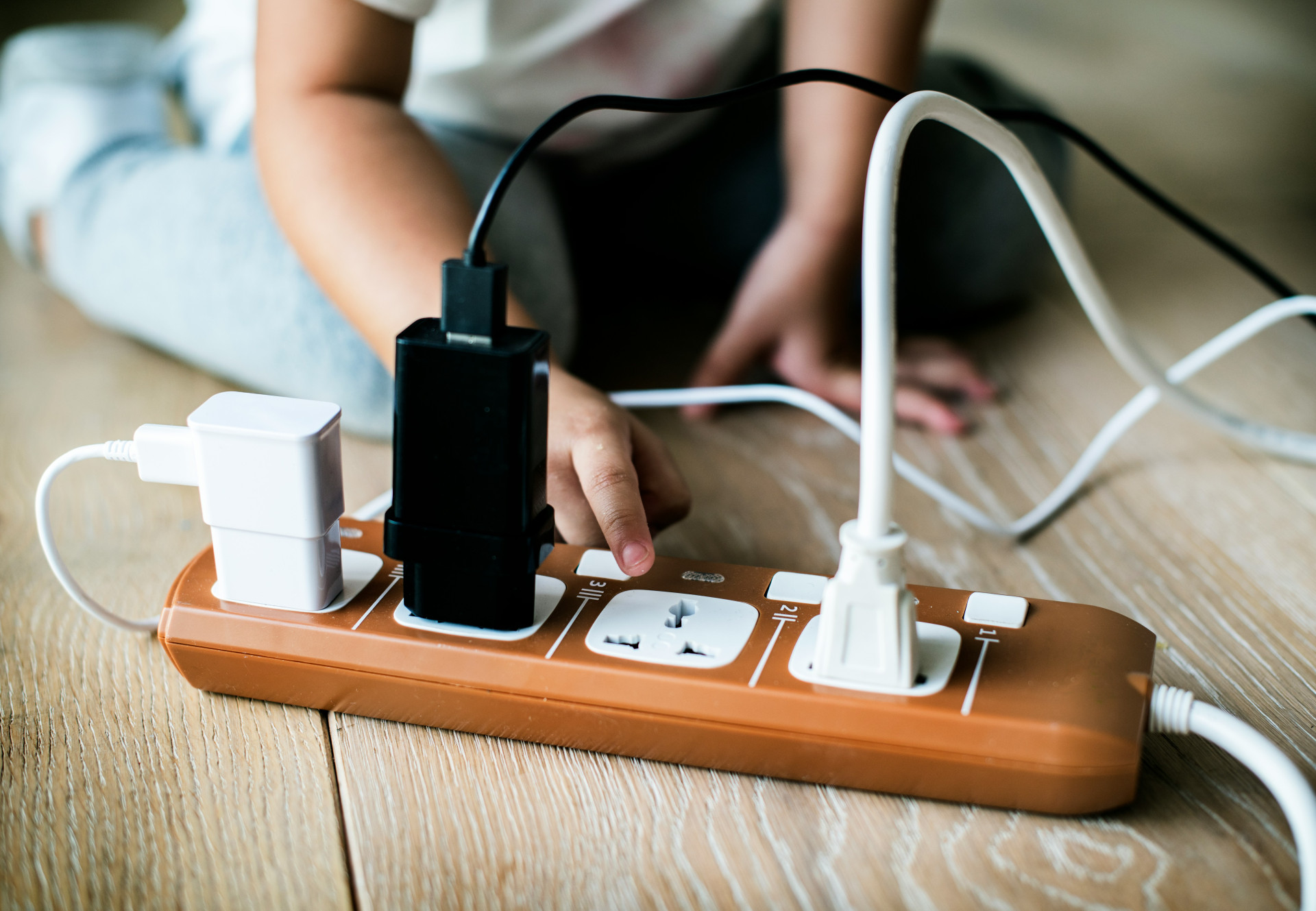
Children are naturally curious – it’s how they explore and learn about the world around them. But when that curiosity meets electricity, the results can be dangerous. That’s why childproof electrical sockets are an important part of a safe home. They help prevent electric shocks and give parents peace of mind. But how do they actually work, and what should you look for when choosing them?
Why Childproofing Electrical Sockets Matters
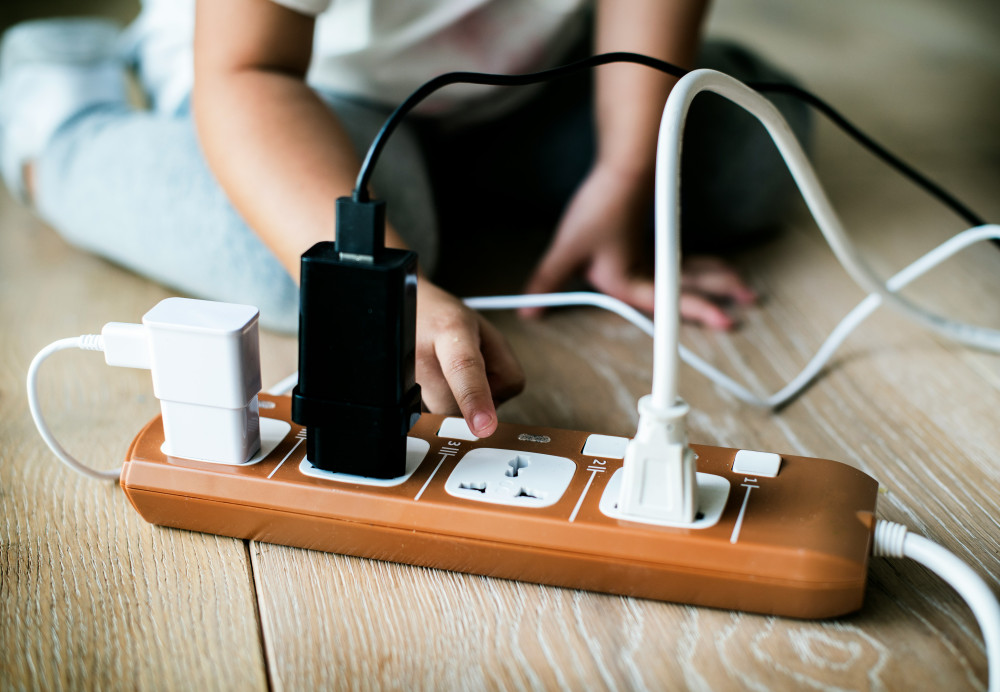
In most Indian homes, electrical sockets are often placed low on the walls – in living rooms, bedrooms, and hallways – right within a child’s reach. To a toddler, the holes in a socket might look like an interesting place to insert a finger, a pencil, or a metal object. Even a brief contact with live electrical parts can cause serious injury.
Childproof sockets are designed to prevent children from accessing the live parts of the socket. They are a simple yet effective way to reduce the risk of electrical accidents – and they are becoming increasingly common in modern Indian homes, especially in apartments built to newer safety standards.
How Childproof Sockets Work
The childproof mechanism is built directly into the socket. Behind the holes, there is a small mechanical shutter that only opens when both pins of a plug are inserted at the same time. This means a child cannot access the live parts by inserting something into just one hole.
When a proper plug is inserted, the shutter moves aside, allowing electricity to flow as usual. For the user, there’s no difference in how the socket feels or works – but the safety level is much higher.
Some sockets also come with spring-loaded covers that automatically close when the plug is removed. These not only add an extra layer of protection against curious fingers but also help keep out dust and insects – a useful feature in Indian households.
Safety Standards and Installation in India
While India’s electrical safety regulations are evolving, childproof sockets are not yet mandatory in all homes. However, the Bureau of Indian Standards (BIS) and many builders now recommend using sockets with built-in shutters, especially in homes with young children.
If you are renovating your home or moving into a new apartment, it’s a good idea to ask your electrician to install sockets that comply with the latest IS (Indian Standard) safety specifications. A licensed electrician can easily check whether your existing sockets are childproof and replace them if needed. It’s a small upgrade that can make a big difference in home safety.
Temporary Solutions – and Their Limitations
There are also removable plastic socket covers available in the market. These can be inserted into existing sockets to block access. While they may seem like a quick fix, they have some drawbacks. They can fall out, get misplaced, or even become a choking hazard if a child puts them in their mouth.
For long-term safety, it’s better to install sockets with built-in childproof mechanisms rather than relying on temporary covers – especially in homes where small children live or visit frequently.
Læs også:


How to Check if Your Sockets Are Childproof
It’s easy to find out whether your sockets are childproof:
- Look for markings – many manufacturers label childproof sockets with a small symbol, such as a lock or a child’s face.
- Gently try inserting a thin object (like a toothpick) into one hole – if you feel resistance, the socket likely has a shutter mechanism.
- When in doubt, ask a qualified electrician – it only takes a few minutes to check.
A Small Feature That Makes a Big Difference
Childproof electrical sockets are a great example of how modern electrical design combines convenience and safety. They require no extra effort to use but can prevent serious accidents. For families with young children, they are not just a recommendation – they are a necessity.
Installing childproof sockets is a simple step toward creating a safer home. It’s an investment that pays off not in money, but in peace of mind.
Læs også: