Make Better Use of Daylight and Reduce Your Electricity Consumption


Make Better Use of Daylight and Reduce Your Electricity Consumption
Daylight is a free and renewable source of light that many of us overlook in our daily lives. In a country like India, where sunlight is abundant for most of the year, making better use of natural light can significantly reduce electricity bills and help the environment. With a few thoughtful changes in how you design your home and manage your habits, you can create brighter, more comfortable spaces while cutting down on energy use.
Understand How Light Moves Through Your Home
The first step is to observe how sunlight enters your home throughout the day. East-facing windows receive bright morning light, while west-facing ones get strong afternoon sun. South-facing rooms tend to stay well-lit for longer hours, whereas north-facing areas may need additional lighting.
Spend a day noticing when each room is naturally bright and when it becomes dim. This will help you decide where to place your furniture, workspaces, and lighting fixtures. For example, position your study table or reading corner near a window that gets indirect sunlight. Avoid placing computer screens directly in front of windows to prevent glare.
Design with Light in Mind
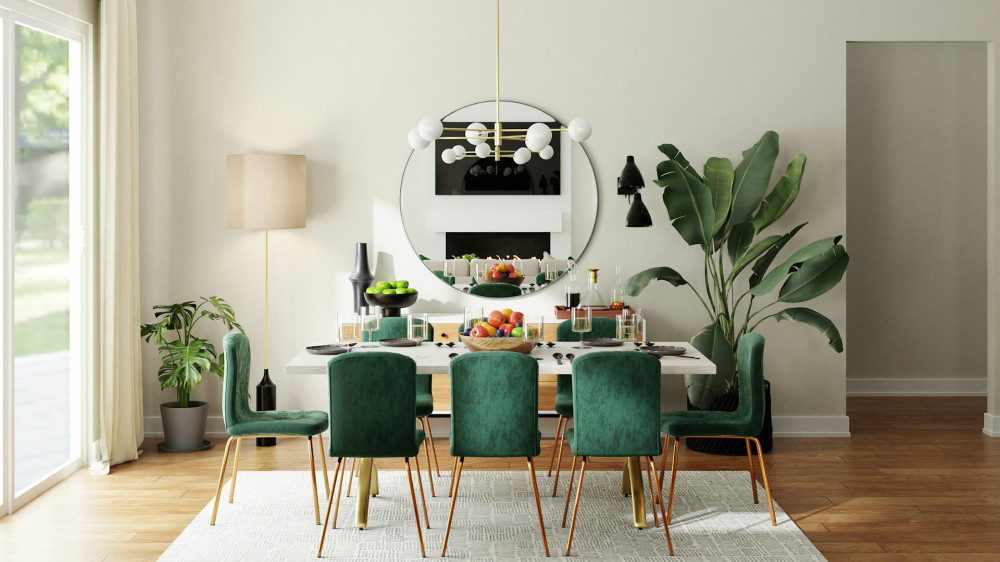
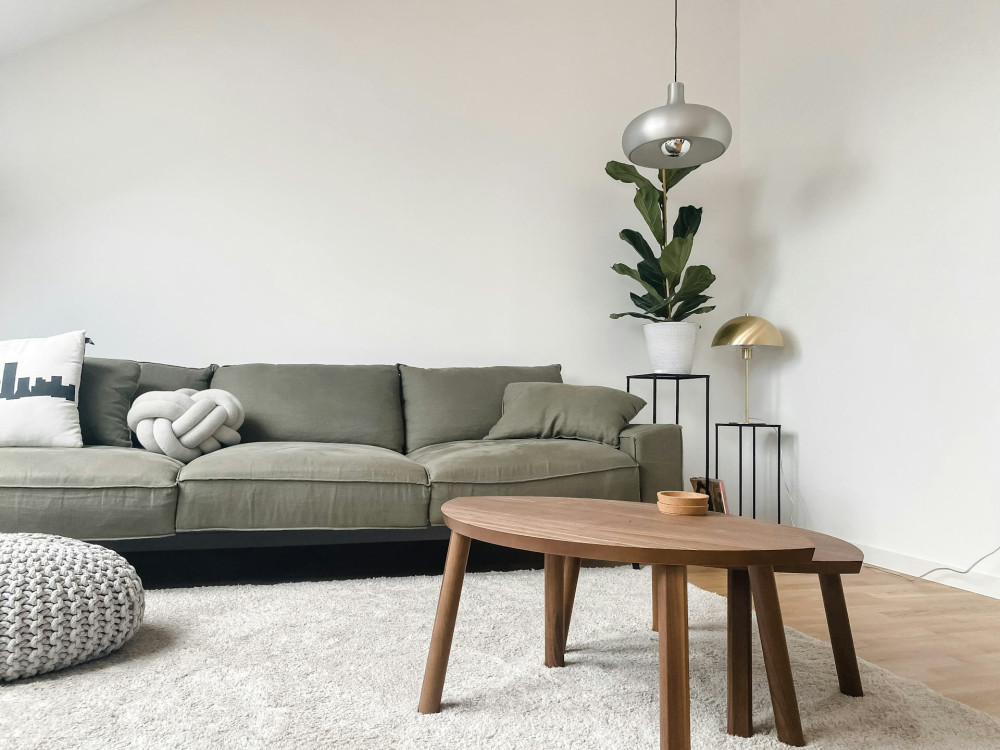
The way you decorate your home has a big impact on how daylight spreads. Light-coloured walls, ceilings, and floors reflect sunlight and make rooms appear larger and more open. Dark colours absorb light and often require more artificial lighting.
- Use sheer curtains – they let in daylight while reducing glare and heat.
- Keep window sills clear – avoid blocking sunlight with heavy plants or decorative items.
- Add mirrors strategically – mirrors can reflect sunlight deeper into the room.
- Choose light furniture finishes – glossy or pale surfaces help distribute light more evenly.
In many parts of India, especially during the monsoon or winter months, these small adjustments can make a noticeable difference in brightness and comfort.
Combine Natural and Artificial Lighting
Even with plenty of daylight, artificial lighting is still necessary after sunset or on cloudy days. The key is to use both sources efficiently. Opt for LED bulbs—they consume less power and last longer than traditional bulbs. Choose LEDs with a warm colour tone for living areas and cooler tones for workspaces.
Consider installing motion sensors or dimmers so that lights automatically adjust to the level of daylight. This is particularly useful in offices, hallways, and kitchens, where lights are often left on unnecessarily.
Keep Windows and Fixtures Clean
Clean windows allow more sunlight to enter your home. Dust and pollution can reduce the amount of light coming through by a surprising amount. Make it a habit to clean your windows and light fixtures regularly. Similarly, trimming trees or plants that block sunlight can brighten your interiors and reduce the need for artificial lighting during the day.
Læs også:


Build Better Habits
Energy efficiency is not just about technology—it’s also about habits. Open your curtains early in the morning to let in natural light and fresh air. Turn off lights when leaving a room, and try to schedule activities that require good lighting—like studying, cooking, or sewing—during daylight hours.
In India, where electricity demand peaks in the evening, using daylight effectively during the day can also help reduce pressure on the power grid.
A Brighter Home and a Lower Bill
Making better use of daylight is about more than saving money—it’s about improving your quality of life. Natural light boosts mood, supports healthy sleep patterns, and enhances productivity. By designing your home and daily routines around the sun, you can enjoy a brighter, healthier living space while contributing to a more sustainable future.
Small changes today can lead to big savings tomorrow—for your wallet, your well-being, and the planet.
Læs også: