Cover Like a Pro: How to Protect Your Furniture While Painting

Cover Like a Pro: How to Protect Your Furniture While Painting
A successful painting project is not just about choosing the perfect shade or mastering the brush technique – it’s also about preparation. One of the most important, yet often overlooked, steps is protecting your furniture and floors. Without proper covering, paint splatters, dust, and drips can easily ruin your interiors. Fortunately, with the right materials and a bit of planning, you can keep your home spotless while giving your walls a fresh new look. Here’s how to cover like a professional.
Clear the Space First
Before you open the paint can, make room to work. Move as much furniture as possible out of the room – this makes both painting and covering easier. For large or heavy pieces like wardrobes, sofas, or beds that can’t be moved, pull them away from the walls and cover them thoroughly.
Take down curtains, wall art, and light fixtures if possible. The fewer items in the room, the lower the risk of accidental paint splashes.
Choose the Right Covering Materials
There are several types of protective materials available in India, and each serves a specific purpose. Professional painters often combine different materials for the best results.
- Plastic sheets – Ideal for covering furniture and large surfaces. Choose a thick, tear-resistant plastic sheet, which you can find at most hardware or paint stores.
- Canvas drop cloths – Great for floors, as they absorb drips and provide a non-slip surface. They’re reusable and eco-friendly.
- Painter’s tape – Essential for protecting edges, switches, and window frames. Go for a high-quality tape that won’t leave sticky residue behind.
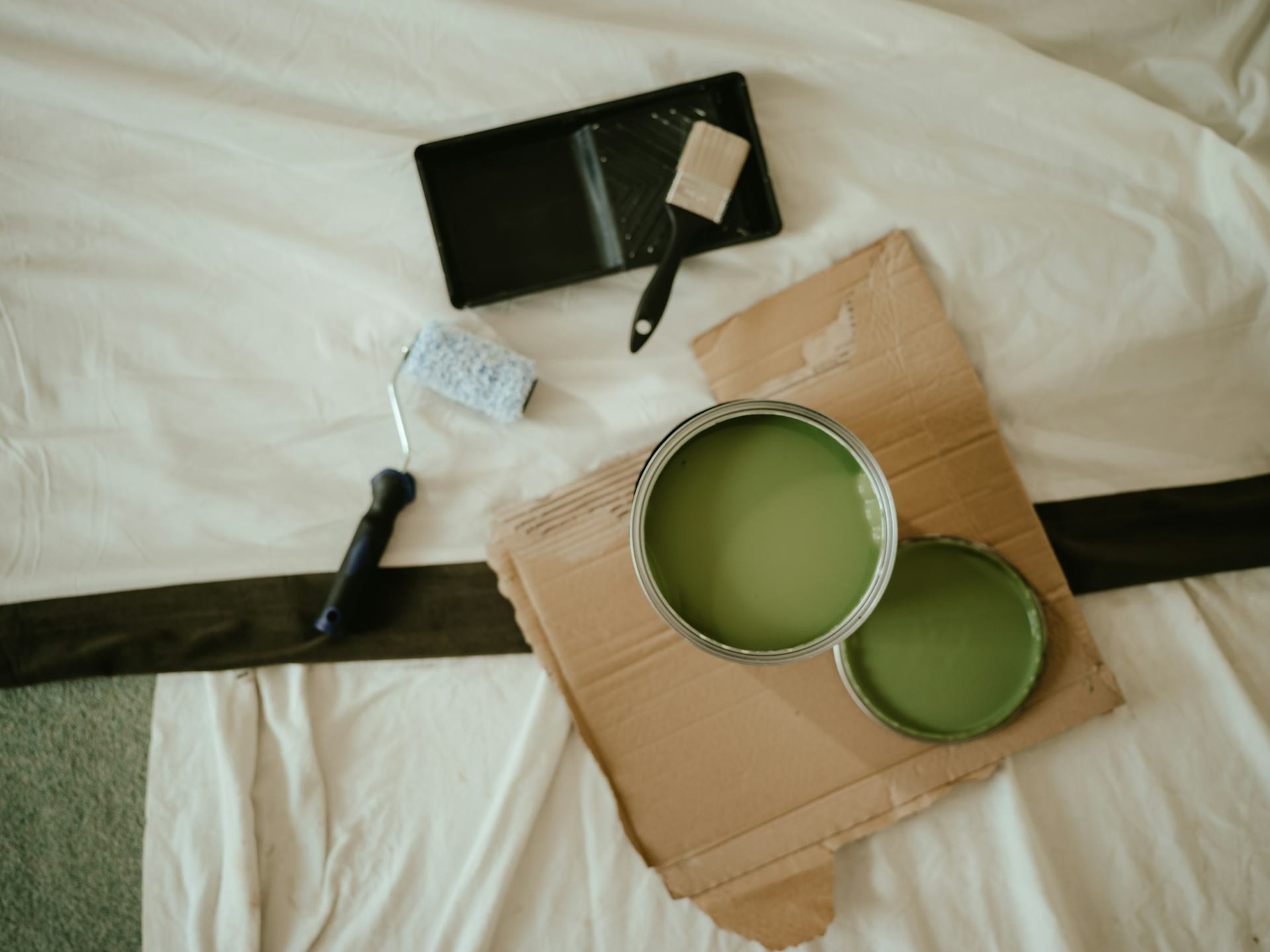
- Cardboard or old newspapers – Useful for hard floors like tiles or marble, especially under ladders or paint buckets to prevent scratches or stains.
By combining these materials, you can create a strong barrier against paint and dust.
How to Cover Furniture Properly
Once the furniture is moved away from the walls, cover it completely. Drape plastic sheets so they reach the floor and secure them with tape to prevent slipping. For extra protection, you can place a layer of newspaper or cardboard underneath.
Avoid using old bedsheets or towels – they absorb paint and can transfer stains later. Professional-grade materials are designed to resist paint and moisture, ensuring better protection.
Læs også:
Don’t Forget the Floor
Floors take the most damage during painting. Start by sweeping or vacuuming to remove dust, so your covering materials lie flat. Then spread out canvas cloths or cardboard and tape the edges together to avoid gaps. If you’re using a ladder, make sure it stands firmly and doesn’t slide on the covering.
For large projects, investing in reusable drop cloths is worth it – they’re durable, washable, and can be used for future painting jobs.
Pay Attention to the Details
Small details can make a big difference. Cover electrical switches and sockets with painter’s tape, or remove the covers if you want a cleaner finish. Wrap light fixtures and ceiling fans in plastic bags, and protect door handles and window sills.
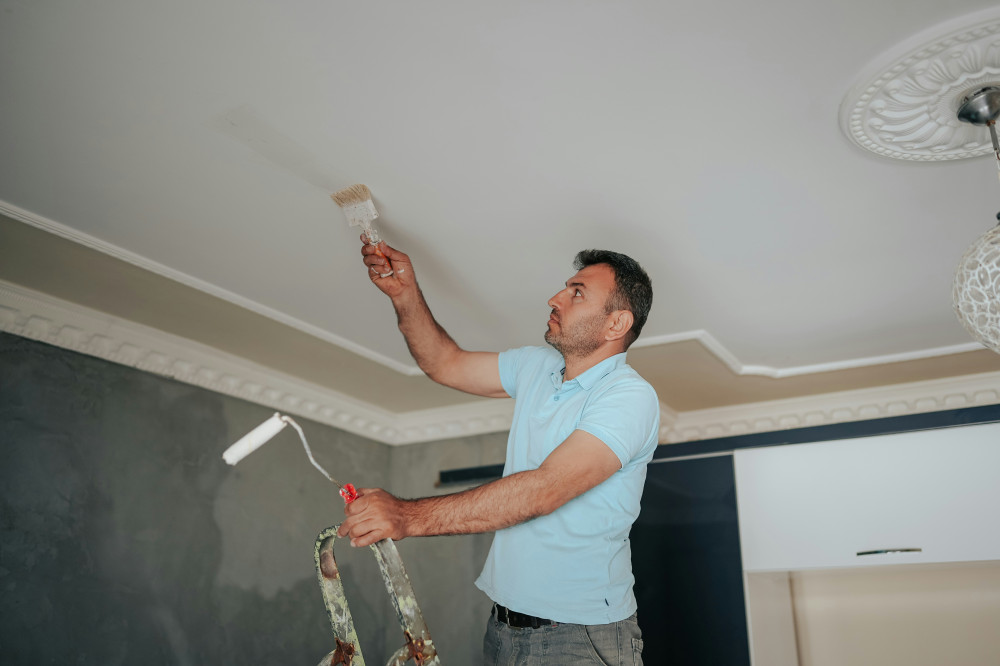
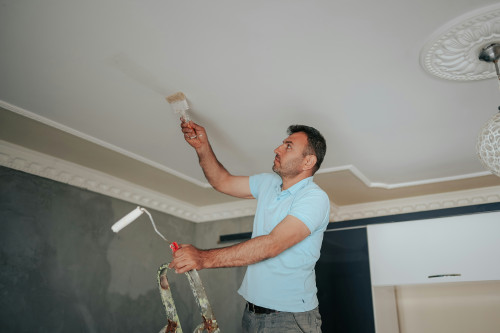
If you’re painting the ceiling, use an extension pole for your roller. This reduces the need to move the ladder frequently and minimizes the risk of damaging your coverings.
After Painting – Remove the Covering Carefully
Once the paint is dry, it’s time to remove the coverings. Do this gently to avoid peeling off fresh paint. Start with the tape – pull it off slowly at a 45-degree angle. Then remove the plastic sheets and cloths, folding them inward so any paint residue stays contained.
If you’ve used reusable materials like canvas cloths, shake them out outdoors and store them for your next project.
Pro Tips for a Clean Finish
- Work systematically – cover one area at a time.
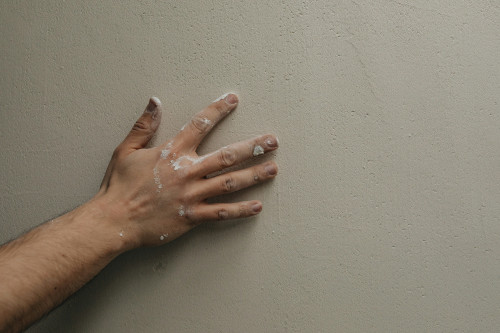
- Wear gloves to avoid leaving fingerprints or smudges on surfaces.
- Ensure good lighting so you can spot any uncovered areas.
- Keep extra tape and plastic handy – it’s better to over-cover than under-cover.
With these simple yet effective techniques, you can paint confidently without worrying about damaging your furniture or floors. Proper covering isn’t just a precaution – it’s the secret to achieving a clean, professional-looking result every time.
Læs også: