Effective Planning When Painting Your Kitchen and Bathroom

Effective Planning When Painting Your Kitchen and Bathroom
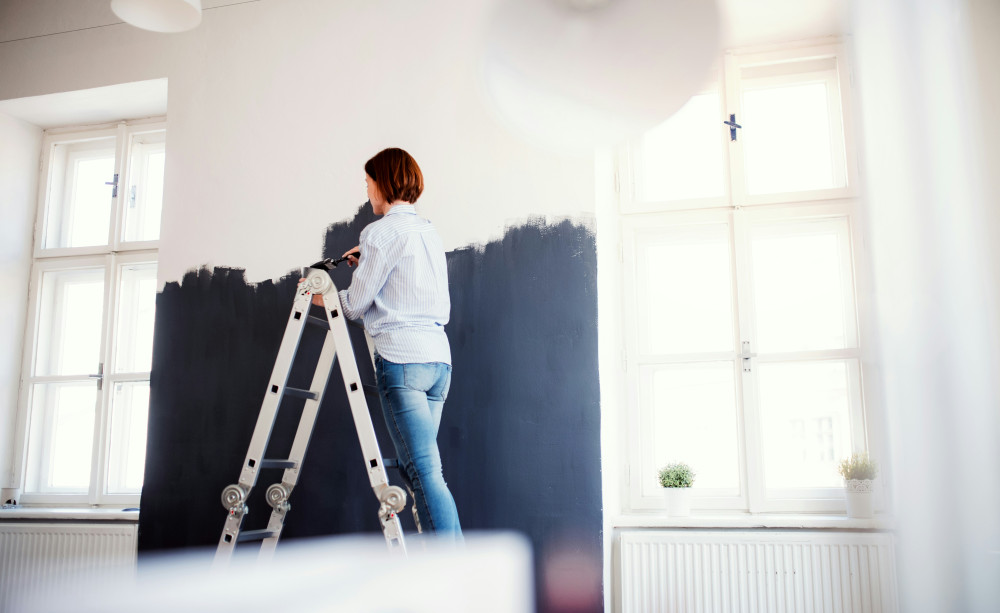
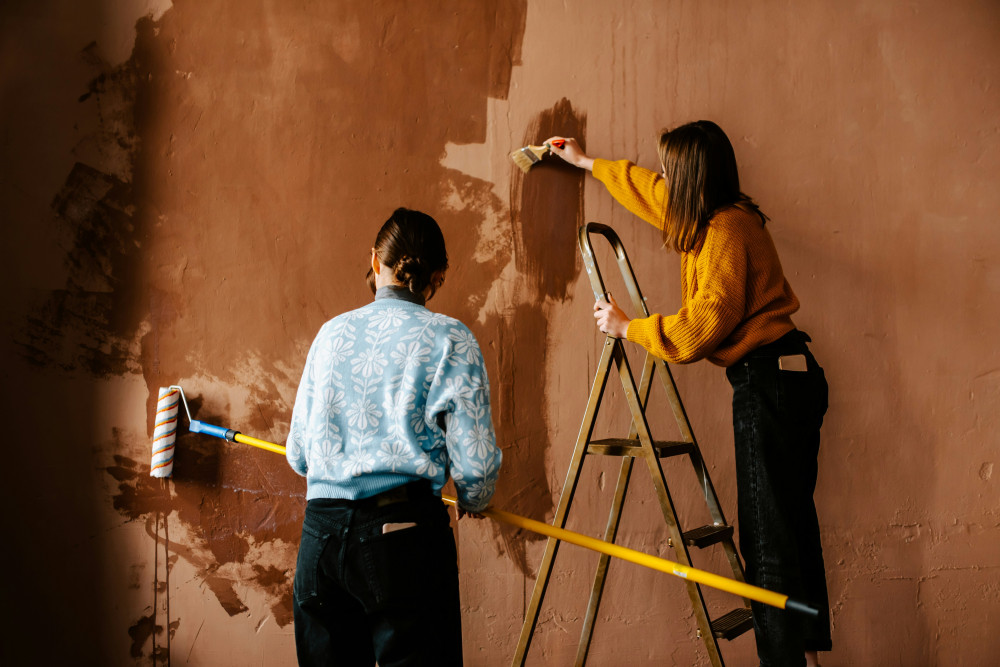
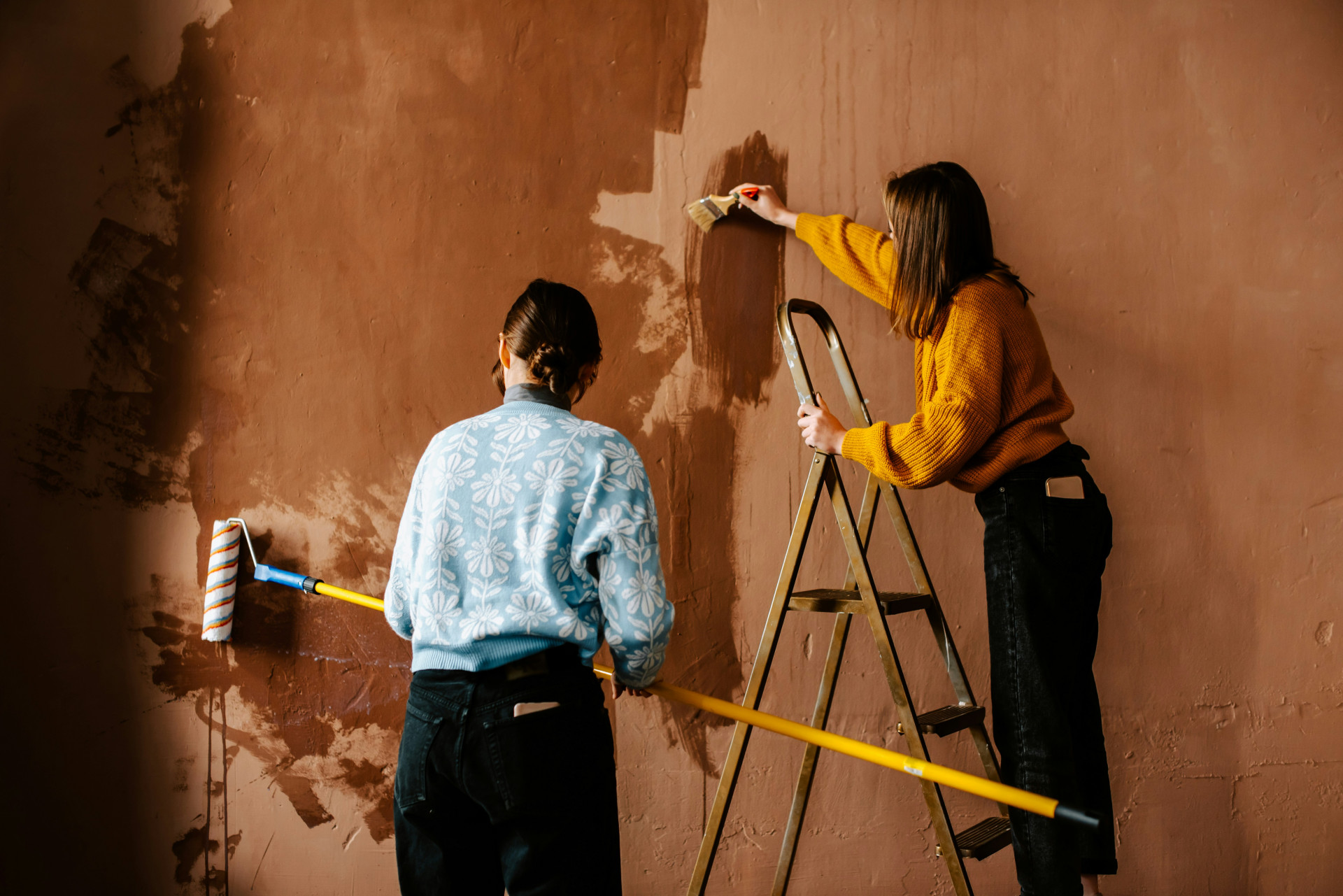
Painting your kitchen and bathroom can completely refresh your home, but these spaces require special attention. Both rooms are exposed to moisture, heat, and frequent cleaning, which means that careful planning is essential. With the right approach, you can achieve a durable, attractive finish without unnecessary stress or expense. Here’s a guide to help you plan effectively before you start painting your kitchen and bathroom.
Begin with a Realistic Schedule
The first step is to estimate how much time the project will take. Many people underestimate the preparation phase, but that’s where most of the quality is built.
Create a schedule that includes:
- Cleaning and preparation – at least one full day to wash, sand, and cover surfaces.
- Painting – depending on the size of the room and the number of coats, usually 1–2 days.
- Drying time – follow the manufacturer’s instructions; humid climates, such as in many parts of India, may require longer drying periods.
If you are painting both rooms, it’s best to complete one before starting the other, so you always have access to at least one functional space.
Choose the Right Materials
Kitchens and bathrooms need paints that can handle moisture, grease, and frequent cleaning. The right materials will ensure your paint job lasts longer and looks better.
- For the kitchen: Use a washable, semi-gloss or satin-finish paint that resists stains and can be wiped clean. This is especially useful in Indian kitchens, where cooking often involves oil and spices.
- For the bathroom: Choose a paint formulated for high humidity areas. It should be mildew-resistant and allow the walls to breathe while preventing moisture damage.
- For woodwork and cabinets: Use a durable enamel or polyurethane-based paint that can withstand water splashes and cleaning.
Always check that the paint is suitable for your surface—whether it’s plaster, tile, or wood.
Preparation Is Half the Work
A smooth, long-lasting finish depends on how well you prepare the surfaces. Take time to:
- Clean thoroughly – use a degreasing cleaner, especially in the kitchen where oil and smoke residue can build up.
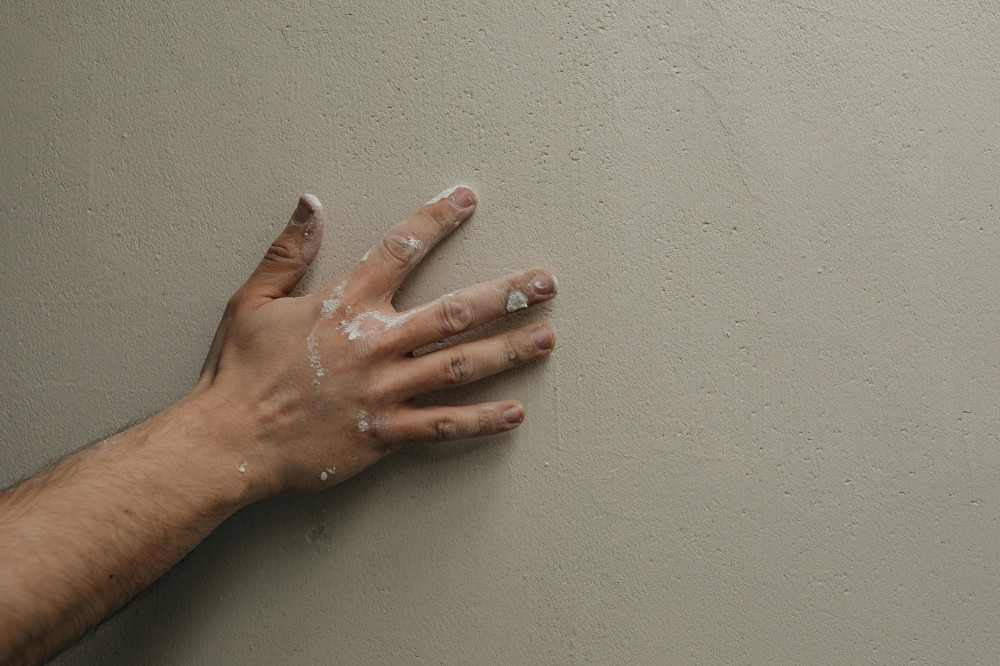
- Remove loose paint and sand – smooth out any uneven areas so the new paint adheres properly.
- Repair cracks and holes – fill them with putty and sand once dry.
- Cover and protect – use plastic sheets and painter’s tape to protect floors, fixtures, and tiles.
Good preparation makes painting easier and ensures a professional-looking result.
Læs også:
Plan the Painting Order
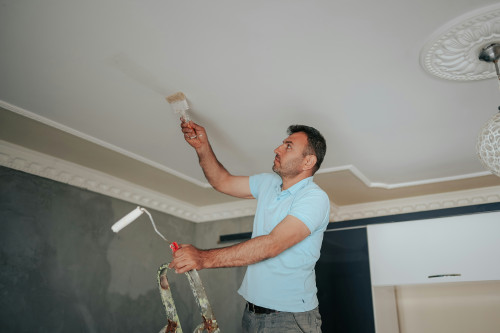
In rooms with multiple surfaces and fixtures, the order of painting matters. A good rule of thumb is:
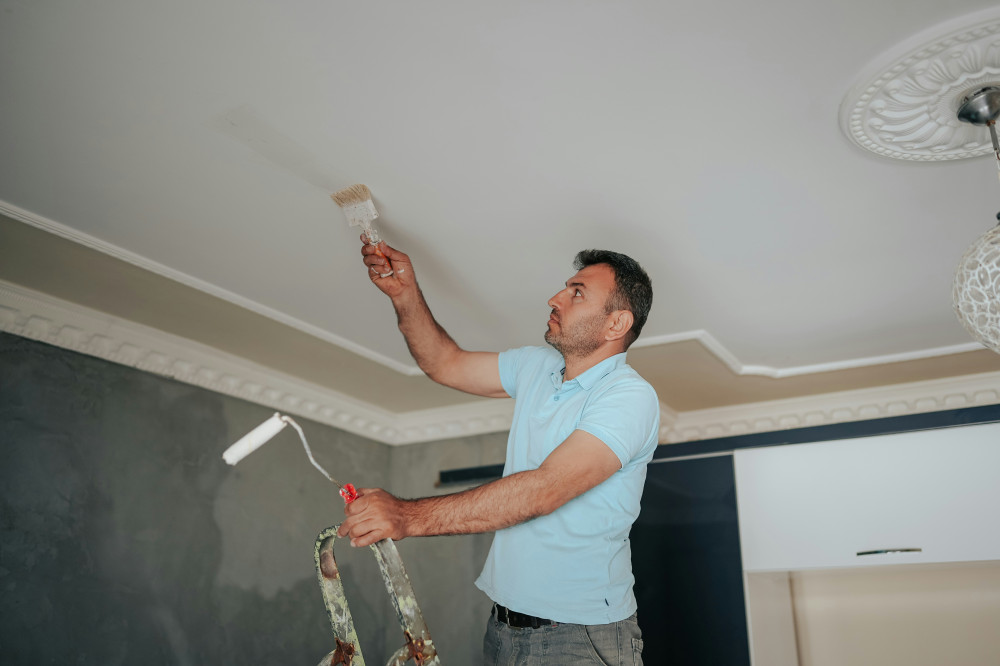
- Ceiling
- Walls
- Woodwork and details
This sequence prevents drips from spoiling freshly painted areas. When painting around cabinets, mirrors, or tiles, work in small sections and use a brush for edges and corners.
Focus on Ventilation and Safety
Both kitchens and bathrooms can trap fumes and moisture. Keep windows open and, if possible, use an exhaust fan or portable ventilator while painting. If you’re using solvent-based paints, wear gloves and a mask, and avoid staying in the room until the paint has fully dried.
Avoid Common Mistakes
Even small errors can be noticeable in rooms with bright lighting and glossy finishes. Watch out for these pitfalls:
- Painting on damp walls – always wait until surfaces are completely dry.
- Skipping primer – especially on new or repaired areas.
- Applying paint too thickly – this can cause uneven drying and peeling.
- Leaving painter’s tape on too long – remove it while the paint is still slightly wet to avoid chipping.
Maintain the Fresh Look
Once the paint has dried, regular maintenance will keep your kitchen and bathroom looking new. Wipe walls and ceilings with a damp cloth a few times a year, and clean up stains or splashes immediately. In the bathroom, use a squeegee or cloth to remove condensation after showers—this helps prevent mould and extends the life of the paint.
A Well-Planned Project Brings Lasting Results
Painting your kitchen and bathroom takes some extra effort, but with thoughtful planning, the process becomes smoother and more rewarding. By preparing carefully, choosing the right materials, and following a clear sequence, you’ll achieve a result that stays beautiful for years—bringing a fresh, renewed feel to your home.
Læs også: