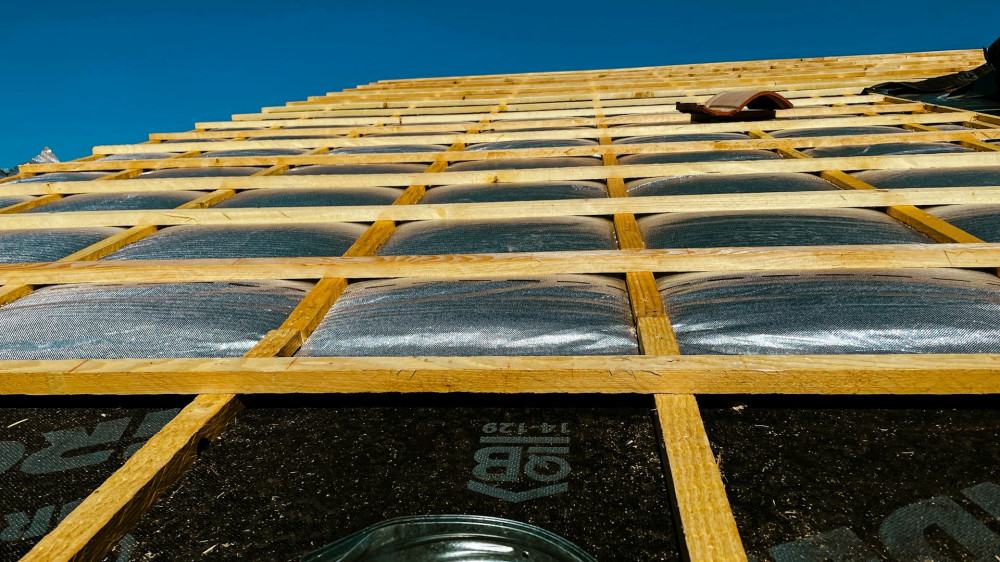
Eco-Friendly Roof Insulation – How to Choose the Right Materials

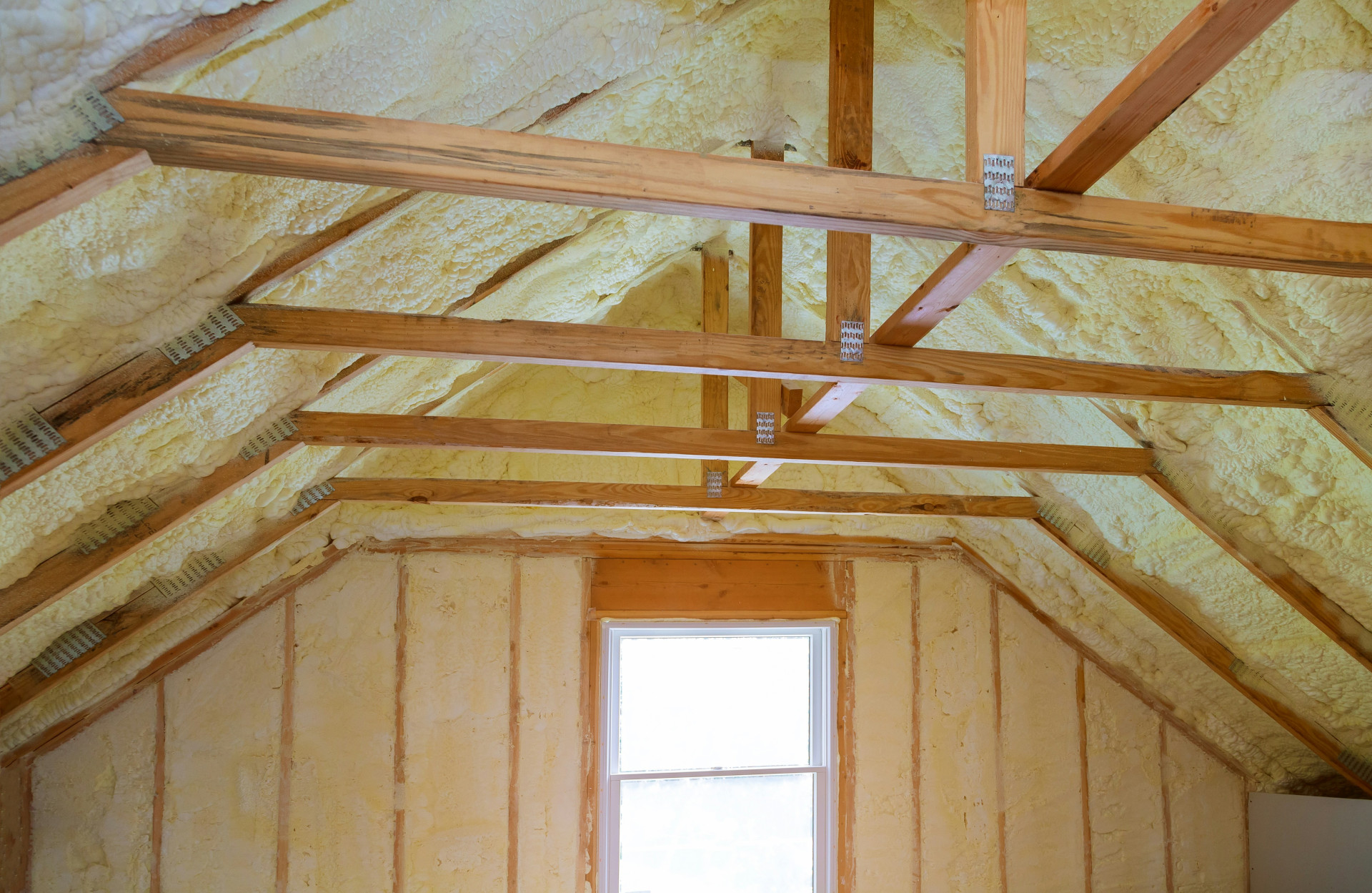
Eco-Friendly Roof Insulation – How to Choose the Right Materials
A well-insulated roof is one of the smartest investments you can make for your home. It keeps indoor temperatures comfortable, reduces electricity bills, and helps lower your carbon footprint. In India, where the climate ranges from hot and humid to dry and cool depending on the region, choosing the right eco-friendly insulation material can make a big difference in both comfort and sustainability. Here’s a guide to help you select materials that are kind to the planet and suitable for Indian conditions.
Why Choose Eco-Friendly Insulation?
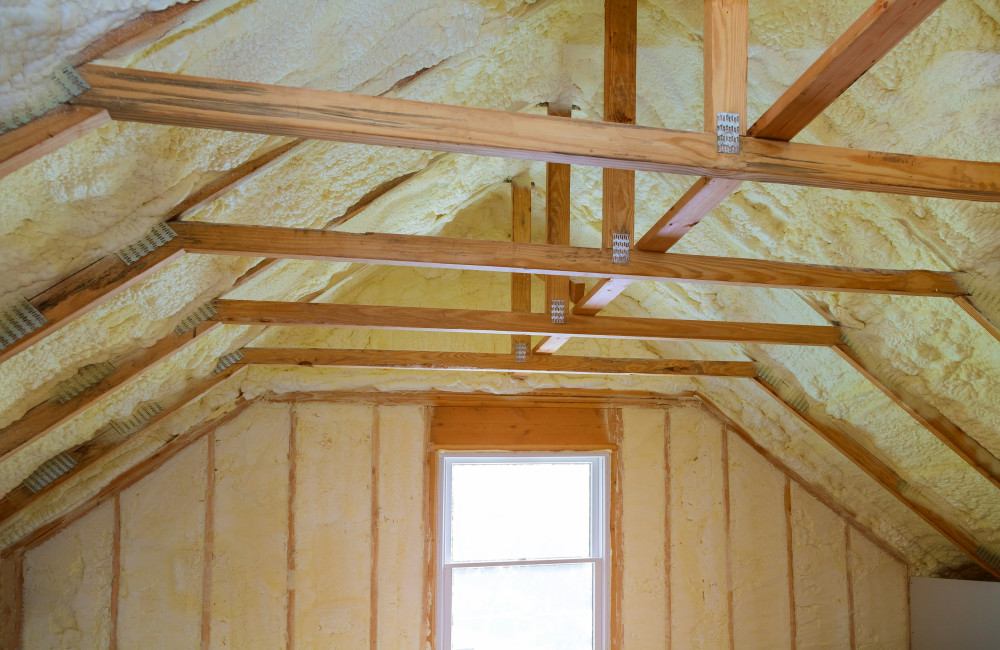
Conventional insulation materials like fiberglass and polyurethane foam are effective but often energy-intensive to produce and difficult to recycle. Eco-friendly alternatives, on the other hand, are made from natural, renewable, or recycled resources. They not only reduce greenhouse gas emissions but also promote healthier indoor air quality.
In India, where energy consumption for cooling is rising rapidly, sustainable insulation can significantly reduce the need for air conditioning. Natural materials also help regulate humidity, which is especially beneficial in coastal and tropical regions.
Sustainable Materials for Roof Insulation
The best insulation for your roof depends on your local climate, building type, and budget. Below are some of the most eco-friendly options available in or suitable for India:
-
Coconut Coir Panels – Made from the husk of coconuts, coir insulation is a renewable and biodegradable material. It offers good thermal resistance and moisture control, making it ideal for humid regions like Kerala or Goa.
-
Cellulose Insulation – Produced from recycled paper treated with natural fire retardants, cellulose is one of the most sustainable insulation materials. It can be blown into roof cavities and is excellent for retrofitting older homes. It’s also locally available and cost-effective.
-
Cotton or Denim Insulation – Made from recycled cotton textiles, this material is safe to handle, non-toxic, and provides good sound and heat insulation. It’s a great choice for urban homes where noise reduction is also a priority.
-
Hemp and Jute Insulation – Both hemp and jute are fast-growing crops widely cultivated in India. They require little water and no synthetic fertilizers. Insulation made from these fibers is breathable, durable, and compostable at the end of its life cycle.
-
Expanded Cork – Harvested from the bark of cork oak trees, cork insulation is 100% natural and recyclable. It provides excellent thermal and acoustic insulation and is resistant to pests and moisture. Though imported, it’s a premium option for eco-conscious homeowners.
-
Recycled PET (Plastic Bottle) Insulation – Made from post-consumer plastic bottles, this material gives waste a second life. It’s lightweight, durable, and resistant to mold and pests. It’s a good balance between sustainability and affordability.
Consider the Entire Life Cycle
When evaluating how eco-friendly a material is, look beyond its composition. Consider how it’s produced, transported, and disposed of. Locally sourced materials often have a smaller carbon footprint than imported ones. Also, check for certifications such as Bureau of Indian Standards (BIS), GreenPro, or IGBC ratings, which indicate compliance with environmental and performance standards.
Installation and Ventilation Matter
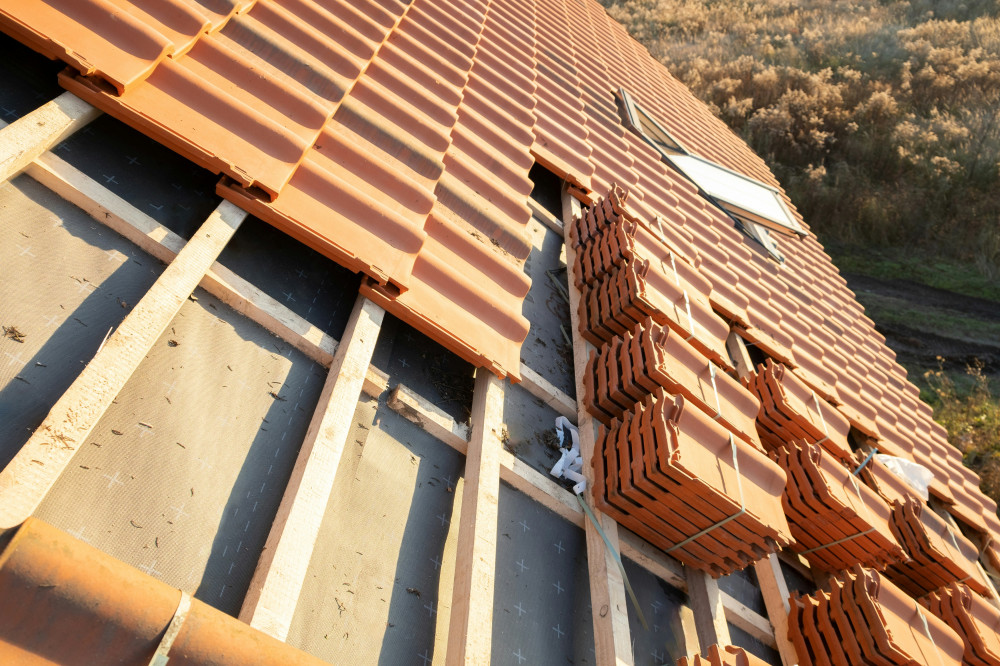
Even the most sustainable insulation won’t perform well if it’s poorly installed. Proper ventilation is essential to prevent moisture buildup and heat trapping under the roof. In hot regions, combining insulation with reflective roof coatings or cool roof tiles can further reduce indoor temperatures.
If you’re planning a new build or renovation, consider integrating solar panels or a green roof system. These additions can complement your insulation and further reduce your home’s energy demand.
Seek Professional Advice
While some insulation projects can be done on your own, consulting a building energy expert or architect familiar with sustainable materials is highly recommended. They can help you calculate the right insulation thickness, assess moisture risks, and ensure compliance with local building codes and energy efficiency standards.
Læs også:
A Cooler Home and a Greener Future
Choosing eco-friendly roof insulation is more than just a home improvement—it’s a step toward a sustainable future. With the right materials and proper installation, you can enjoy a cooler home in summer, a warmer one in winter, and lower energy bills all year round. Most importantly, you’ll be contributing to a cleaner environment and a more sustainable India.
Læs også: