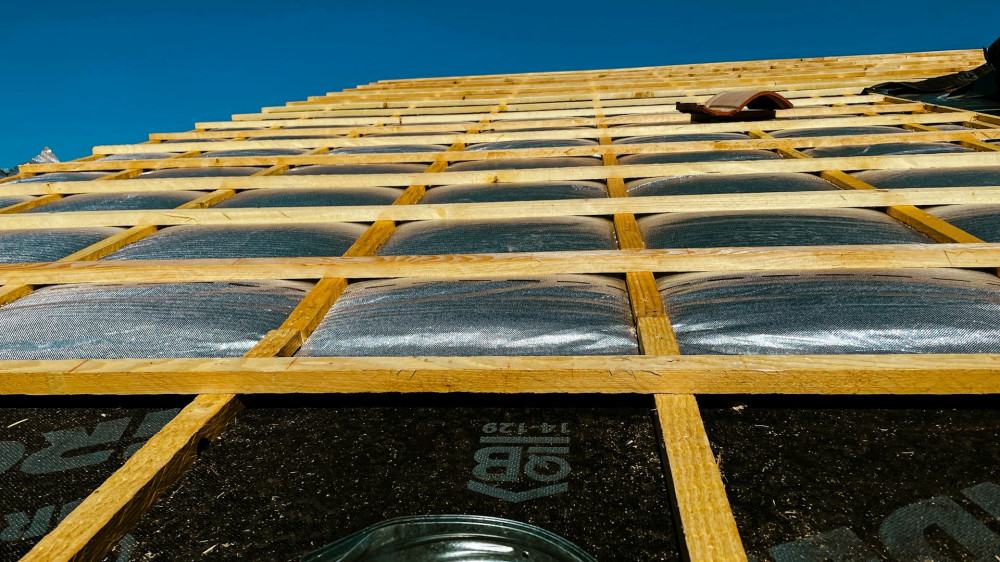
The Evolution of Energy Requirements in Roofing Legislation Over Time

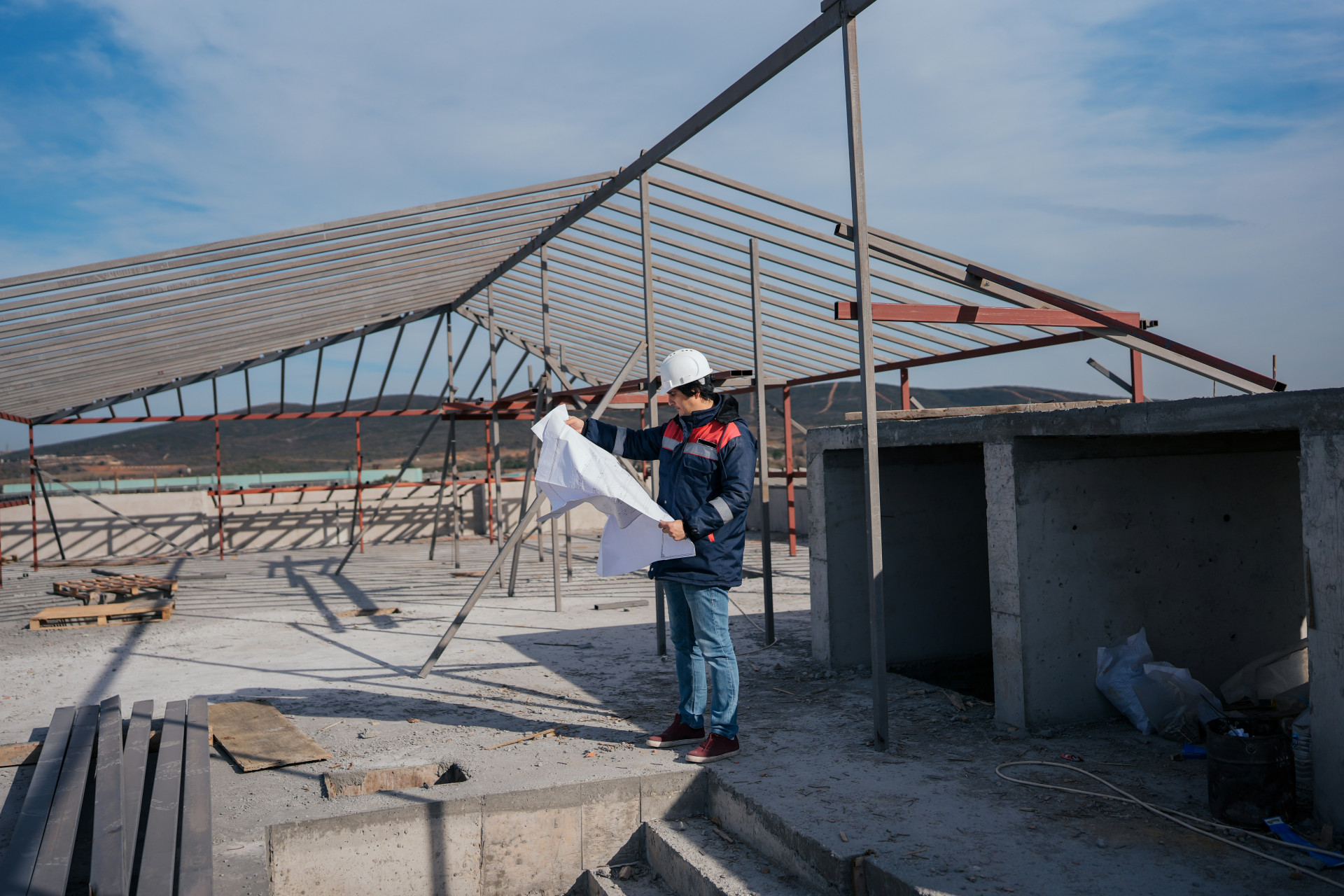
The Evolution of Energy Requirements in Roofing Legislation Over Time
Energy efficiency has become a defining theme in modern construction, and roofing plays a central role in this transformation. In India, where climatic diversity ranges from the cold Himalayas to the humid coasts, the evolution of energy requirements in roofing legislation reflects both technological progress and the country’s growing commitment to sustainability. Over the decades, roofing standards have shifted from basic protection against the elements to sophisticated systems designed to conserve energy, reduce emissions, and support renewable generation.
From Shelter to Energy Awareness
In the early decades after independence, India’s building regulations focused primarily on structural safety and durability. Roofs were designed to withstand monsoon rains and intense sunlight, but energy efficiency was rarely a consideration. Traditional materials such as clay tiles, thatch, and lime concrete provided some natural insulation, yet there were no formal energy performance standards.
The oil crises of the 1970s and the subsequent global energy awareness began to influence Indian policy. Although the focus remained on industrial energy use, the seeds of energy-conscious construction were sown. The Bureau of Indian Standards (BIS) started developing codes that indirectly affected building envelopes, including roofing materials and thermal performance.
1980s and 1990s: The First Steps Toward Efficiency
By the 1980s, rapid urbanization and rising electricity demand made energy efficiency a national concern. The Energy Conservation Act of 2001 was still years away, but discussions about reducing cooling loads in buildings had begun. In hot regions, reflective coatings and ventilated roof designs gained popularity as practical, low-cost solutions.
During the 1990s, India’s construction sector began to adopt international best practices. The National Building Code (NBC) introduced guidelines for thermal comfort and insulation, encouraging the use of materials with better thermal resistance. However, these were recommendations rather than enforceable requirements, and implementation varied widely across states.
2000s: The Energy Conservation Building Code (ECBC)
A major milestone came in 2007 with the introduction of the Energy Conservation Building Code (ECBC) by the Bureau of Energy Efficiency (BEE). For the first time, India had a national framework specifying energy performance standards for commercial buildings, including detailed provisions for roofs.
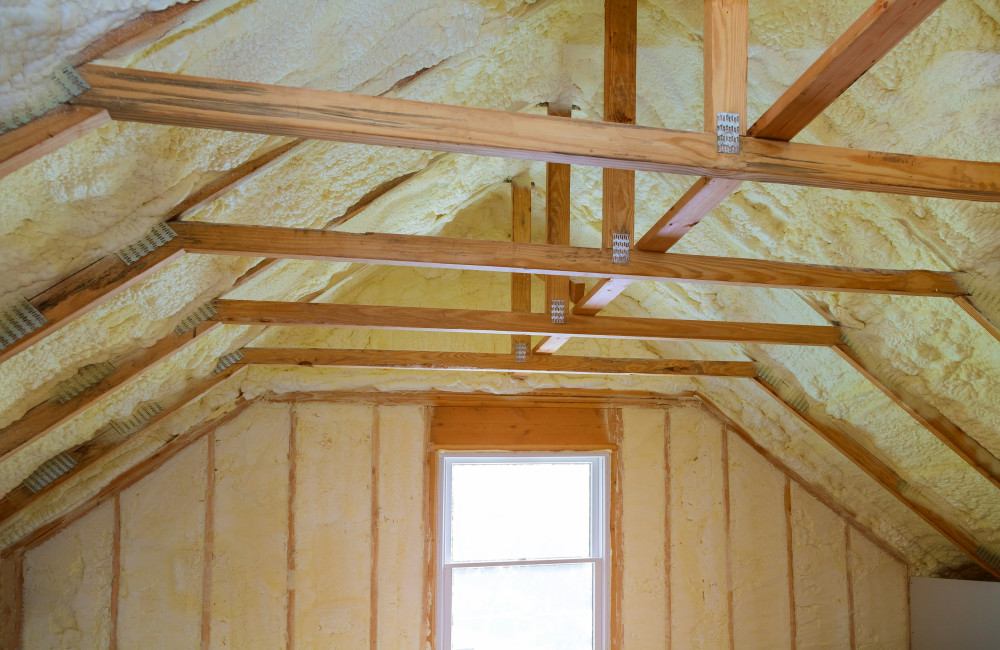
The ECBC set limits on the thermal transmittance (U-value) of roofing systems, depending on climatic zones. It encouraged the use of insulation, reflective surfaces, and cool roof technologies to reduce heat gain. States such as Telangana, Rajasthan, and Gujarat began adopting and customizing the code, making energy-efficient roofing a legal requirement for large new buildings.
2010s: Green Building Movement and Renewable Integration
The 2010s saw a surge in green building certifications such as GRIHA and LEED India, which went beyond compliance to promote holistic sustainability. Roofs became multifunctional elements—supporting solar photovoltaic panels, rainwater harvesting systems, and even rooftop gardens that improved insulation and reduced urban heat.
The ECBC was updated in 2017 to align with India’s climate goals under the Paris Agreement. The revised code introduced stricter U-values, mandatory compliance for certain building categories, and provisions for “ECBC+” and “Super ECBC” levels, encouraging higher performance. Roof design was now seen not just as a matter of comfort, but as a key contributor to national energy savings.
2020s: Toward Net-Zero and Climate-Responsive Design
In the current decade, India’s building policies are increasingly guided by the vision of net-zero energy and carbon neutrality. The Eco-Niwas Samhita (ENS), introduced for residential buildings, extends energy efficiency principles to homes, including roof insulation and solar readiness. Many state governments have made cool roofs mandatory in public buildings and affordable housing projects, particularly in heat-prone cities like Hyderabad and Ahmedabad.
Technological innovation is also reshaping roofing. Advanced materials such as phase-change insulation, solar tiles, and reflective membranes are entering the market. Digital tools now allow architects to simulate energy performance and optimize roof design for local climate conditions.
The Road Ahead: Smart and Sustainable Roofs
The future of roofing legislation in India is likely to integrate energy efficiency with broader sustainability goals. Upcoming revisions to the NBC and ECBC are expected to include life-cycle assessments, embodied carbon considerations, and incentives for renewable energy generation on rooftops.
Smart roofs equipped with sensors, automated shading, and integrated solar systems will become more common, supported by government initiatives like the National Solar Rooftop Programme. As cities expand vertically, rooftops will serve as vital spaces for both energy production and environmental resilience.
Læs også:
A Journey Driven by Policy, Technology, and Climate
The evolution of energy requirements in roofing legislation mirrors India’s broader development path—balancing growth with environmental responsibility. From simple weatherproof structures to energy-generating systems, roofs have transformed into active components of sustainable architecture.
As India continues to urbanize and modernize, roofing legislation will remain a crucial tool in achieving energy security and climate resilience. The story of roofing is, in many ways, the story of India’s transition toward a greener, smarter, and more sustainable built environment.
Læs også: