Roof Type and Economy: What Are the Long-Term Costs?

Roof Type and Economy: What Are the Long-Term Costs?
When building or renovating a home in India, the choice of roof is more than just an aesthetic decision. The type of roof you choose affects not only the look of your house but also its long-term costs, durability, and energy efficiency. With India’s diverse climate—from humid coasts to dry interiors and heavy monsoon regions—the right roof can make a big difference in comfort and maintenance expenses over time. Here’s an overview of the most common roof types in India and how they perform economically in the long run.
Clay Tiles – Traditional and Durable
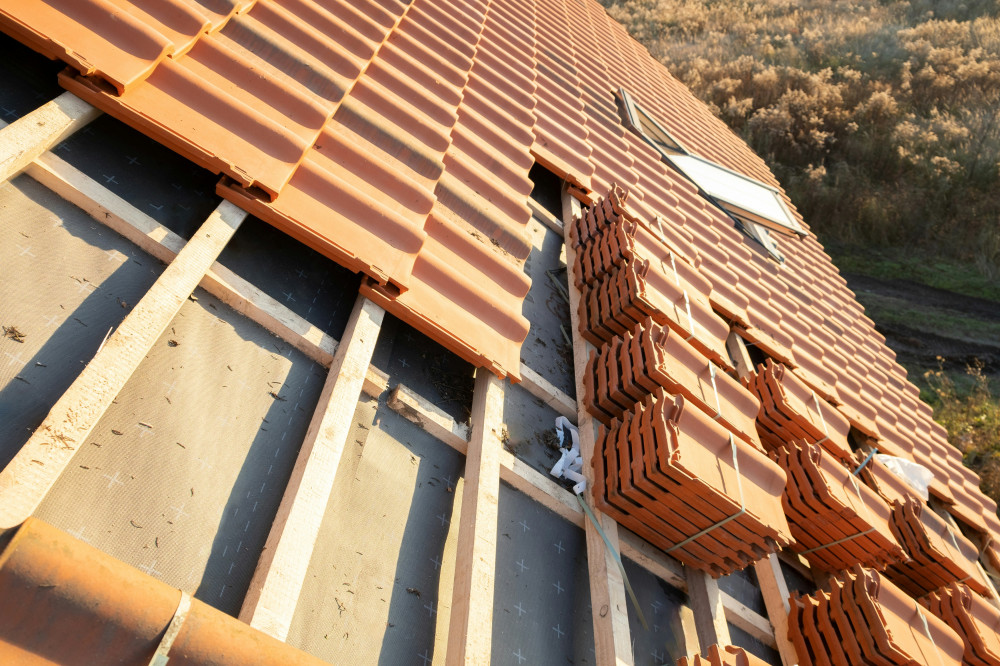
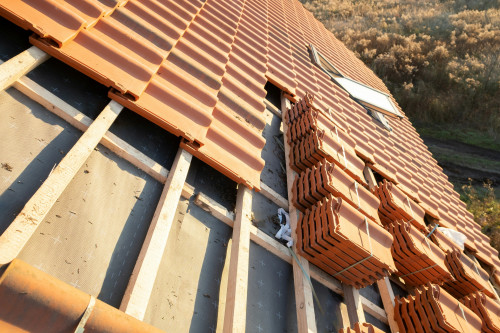
Clay tiles have been used in Indian homes for centuries, especially in coastal and southern regions. They are known for their natural insulation, keeping interiors cool in summer and warm in winter. A well-installed clay tile roof can last 50–100 years, though it requires periodic maintenance to replace broken tiles and clean moss or algae buildup.
Clay tiles are relatively expensive to install and heavy, requiring a strong roof structure. However, their longevity and energy-saving properties often justify the initial cost.
Long-term economy: High upfront cost but low lifetime expense. Ideal for homeowners planning to stay long-term and seeking natural temperature regulation.
Concrete Tiles – Affordable and Reliable
Concrete tiles are a modern alternative to clay tiles. They are cheaper, easier to produce, and available in various colors and finishes. Their lifespan is typically 40–60 years, though they may fade or develop surface roughness over time.
They are heavy and require a sturdy frame, but they perform well in most Indian climates, including areas with heavy rainfall. Maintenance involves occasional cleaning and repainting.
Long-term economy: Moderate cost and good durability. A practical choice for those balancing budget and longevity.
Metal Roofing – Lightweight and Low Maintenance
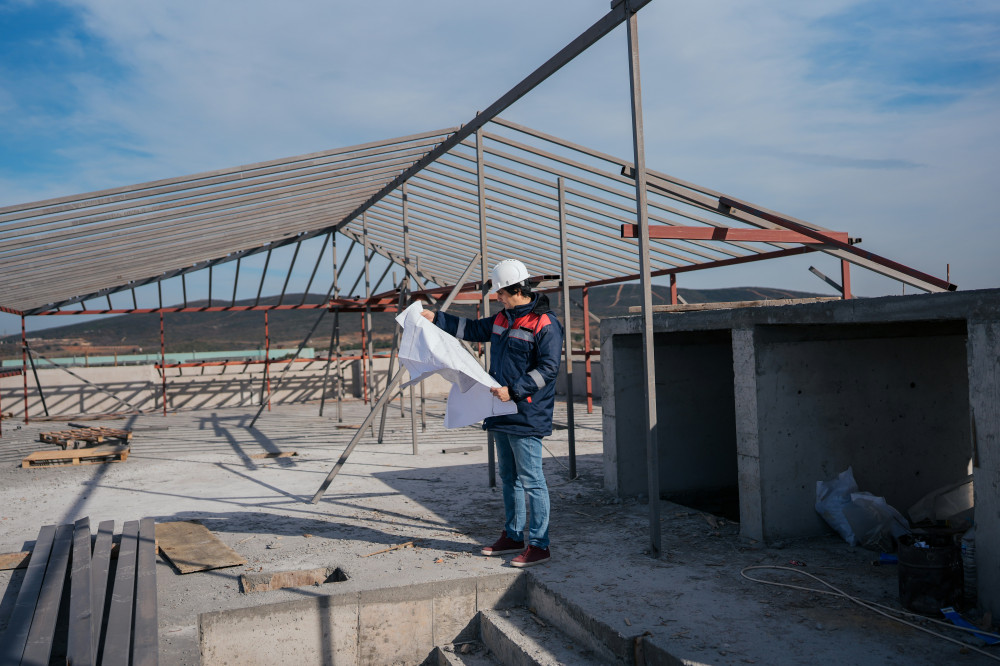
Metal roofs, especially those made of galvanized steel or aluminum sheets, are becoming increasingly popular in India. They are lightweight, quick to install, and require minimal maintenance. Modern coatings protect them from rust and heat, making them suitable for both urban and rural homes.
However, metal roofs can get noisy during heavy rain and may heat up quickly under direct sunlight if not properly insulated. Their lifespan ranges from 30–50 years.
Long-term economy: Low maintenance and moderate cost, but insulation is key to comfort. A good option for industrial buildings and modern homes.
RCC (Reinforced Cement Concrete) Roofs – Strong and Versatile
RCC roofs are the most common in Indian cities. They are durable, fire-resistant, and allow for rooftop use—whether for solar panels, water tanks, or even a terrace garden. The initial cost is high, but maintenance is minimal, and the structure can last over 70 years if waterproofed properly.
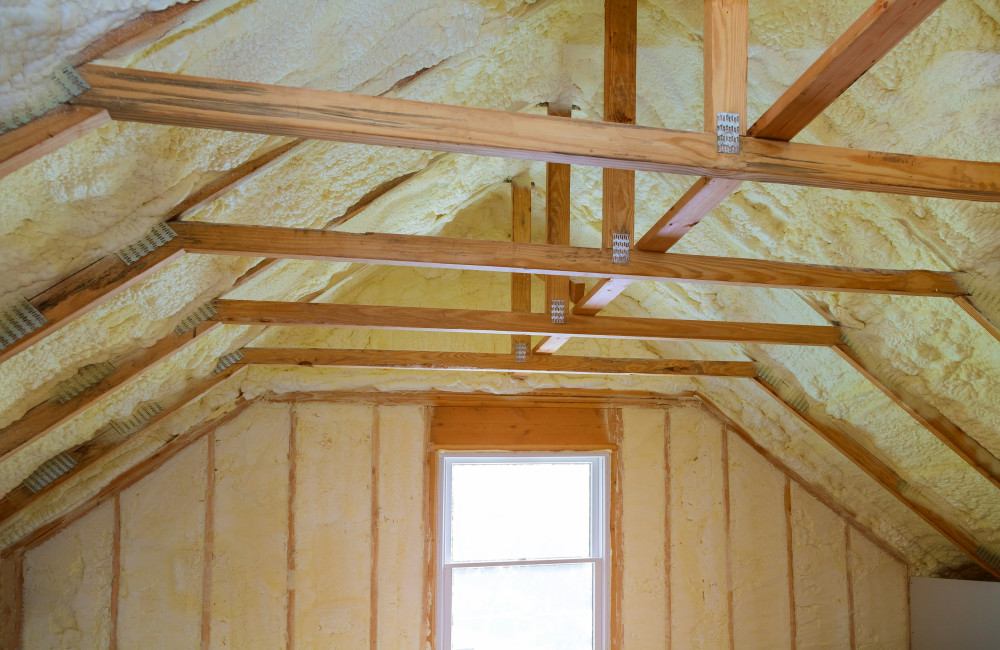
The main challenge is heat absorption. Without proper insulation or reflective coating, RCC roofs can make interiors uncomfortably hot in summer, increasing cooling costs.
Long-term economy: High durability and low maintenance, but energy costs can rise without insulation. Best for urban homes and multi-storey buildings.
Læs også:
Asbestos and Fibre Cement Sheets – Budget-Friendly but Outdated
Asbestos sheets were once a popular low-cost roofing option, especially for sheds and rural homes. However, due to health concerns, asbestos is being phased out and replaced by fibre cement sheets. These are lightweight, affordable, and easy to install, though they have a shorter lifespan of around 20–30 years.
They can crack under heavy impact and offer limited insulation, making them less suitable for extreme climates.
Long-term economy: Very low initial cost but shorter lifespan and limited comfort. Suitable for temporary or low-cost structures.
Green and Cool Roofs – Sustainable and Energy-Efficient
With rising temperatures and growing environmental awareness, green and cool roofs are gaining attention in Indian cities. Green roofs, covered with vegetation, provide excellent insulation and reduce rainwater runoff. Cool roofs use reflective coatings or tiles to minimize heat absorption.
Both options can reduce electricity bills and improve indoor comfort, though they require proper waterproofing and periodic maintenance. Lifespan varies from 30–50 years depending on materials and upkeep.
Long-term economy: Moderate cost with significant energy savings. A smart choice for eco-conscious homeowners in hot climates.
What Pays Off in the Long Run?
When evaluating total cost, the cheapest roof is not always the most economical over time. Clay tiles and RCC roofs may seem expensive initially, but their durability and low maintenance often make them cost-effective in the long run. Metal and fibre cement roofs, on the other hand, are affordable and easy to install but may need replacement sooner.
Ultimately, the best roof depends on your local climate, building type, and long-term plans. A well-chosen roof is not just a cover—it’s an investment in comfort, sustainability, and the lasting value of your home.
Læs også: