Sustainable Development in Clay Roof Tile Production

Sustainable Development in Clay Roof Tile Production
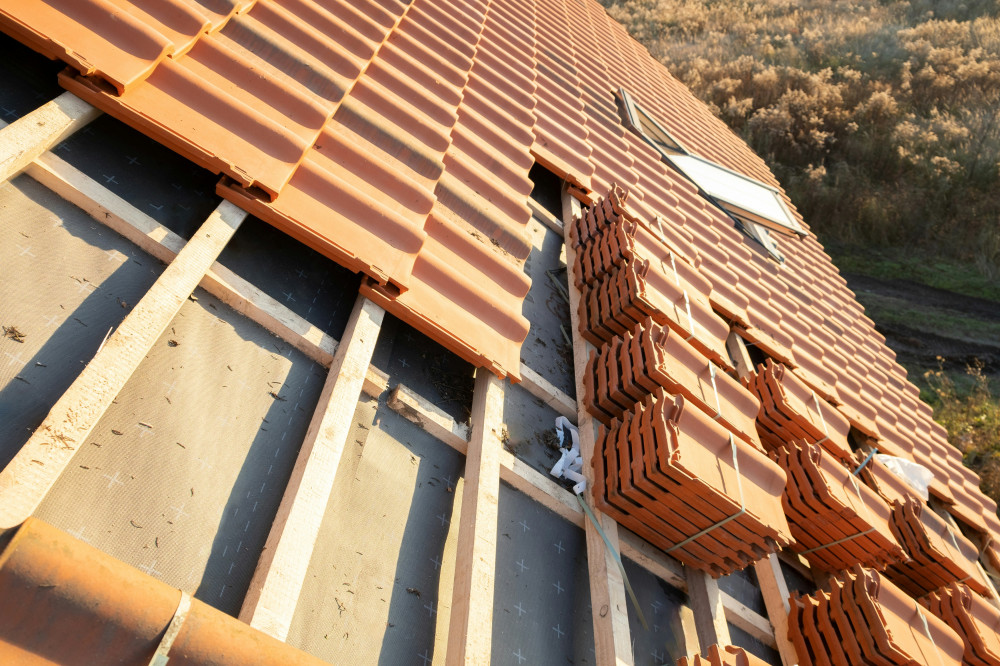
Clay roof tiles have long been part of India’s architectural identity. From the traditional Mangalore tiles of the coastal regions to the terracotta roofs of rural homes, clay tiles are valued for their natural beauty, durability, and ability to keep interiors cool in hot climates. As India’s construction sector grows and sustainability becomes a national priority, the clay tile industry is also evolving. New technologies and responsible production methods are helping to preserve this traditional craft while reducing its environmental footprint.
From Clay to Roof – Reducing Energy Use
The production of clay roof tiles involves shaping, drying, and firing the clay at high temperatures. The firing stage is particularly energy-intensive and has historically relied on coal or firewood, leading to significant carbon emissions. Today, many Indian manufacturers are working to make this process cleaner and more efficient.
Modern kilns with improved insulation and heat recovery systems are being introduced to reduce fuel consumption. Some producers are switching to biomass, biogas, or electricity from renewable sources such as solar power. In regions with abundant sunlight, solar dryers are replacing conventional drying sheds, cutting down on both time and energy use. These innovations not only lower emissions but also reduce production costs in the long run.
Responsible Sourcing of Raw Materials
Clay is a natural and locally available resource, but its extraction must be managed carefully to avoid soil degradation and loss of biodiversity. Increasingly, manufacturers are adopting sustainable mining practices, including restoring clay pits after use by converting them into ponds, wetlands, or green spaces that benefit local communities.
There is also growing interest in incorporating recycled materials into clay mixtures. Crushed discarded tiles, fly ash from thermal power plants, and other industrial by-products can be blended with natural clay. This reduces the need for virgin raw materials and supports a circular economy within the construction sector.
Durability and Reuse
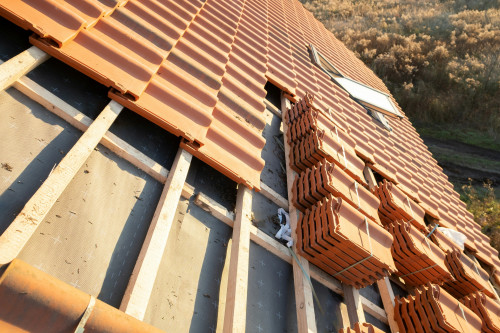
One of the greatest advantages of clay roof tiles is their longevity. A well-maintained clay roof can last for decades, often outliving the building itself. When tiles are removed, many can be reused directly, maintaining their strength and aesthetic appeal. This makes clay tiles one of the most sustainable roofing materials available.
In several Indian cities, small enterprises are emerging that collect, clean, and resell used tiles from demolition sites. This practice not only conserves resources but also preserves the traditional look of heritage buildings and rural homes.
Measuring and Communicating Sustainability
Sustainability today is not just about good intentions—it requires transparency and measurable results. Some Indian tile producers are beginning to develop Environmental Product Declarations (EPDs) to quantify the environmental impact of their products from raw material extraction to finished tile. Such documentation helps architects, builders, and consumers make informed choices aligned with green building standards like GRIHA and LEED India.
Research institutions and industry associations are also exploring ways to lower firing temperatures and use carbon-neutral energy sources. These innovations could eventually make clay tile production nearly climate-neutral.
Læs også:

Tradition Meets Modern Responsibility
While sustainability drives innovation, the aesthetic and cultural value of clay tiles remains central. Their earthy tones, natural textures, and ability to age gracefully make them a preferred choice for architects seeking both beauty and performance. Moreover, their thermal properties help reduce the need for air conditioning, contributing to energy efficiency in India’s hot climate.
Sustainable development in clay roof tile production is therefore not about replacing a traditional material but about refining it with modern technology and environmental responsibility. The result is a roofing solution that protects homes, supports local craftsmanship, and contributes to a greener future for India’s built environment.
Læs også: